617. Dave Van Ronk

(November 2024) Episode 617 is DAVE VAN RONK. There’s a frustratingly large gap between his music and influence and the public awareness of him, which included me until recently. Nicknamed the “Mayor of MacDougal Street” for his presence on the Greenwich Village folk scene in the 50s and 60s, where he mentored and befriended some who achieved greater fame, like Bob Dylan and Joni Mitchell. He was a force of nature with his loud, gruff voice, but he could also make it soft and tender, giving an emotional depth to his songs. His style included blues, ragtime, trad jazz, standards and children’s music. But it’s the spare folk songs, especially with his excellent finger-picking style, where Van Ronk excels. While his focus was on interpreting traditional and others’ songs, he was a talented writer of tune and lyric, as shown on Going Back to Brooklyn, his only album of all original compositions.

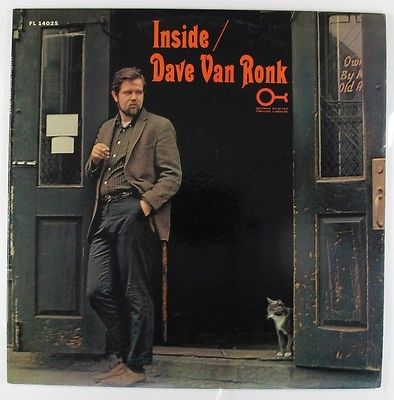
Favorite album: Inside Dave Van Ronk

Favorite song: Another Time and Place

Compared to expectations: same

Recommendation: Dave Van Ronk, Folksinger; Just Dave Van Ronk; Inside Dave Van Ronk and Going Back to Brookyln showcase his solo guitar folk songs. Dave Van Ronk and the Ragtime Jug Stompers and Dave Van Ronk and the Hudson Stompers are good ensemble albums.

616. Benjamin Britten

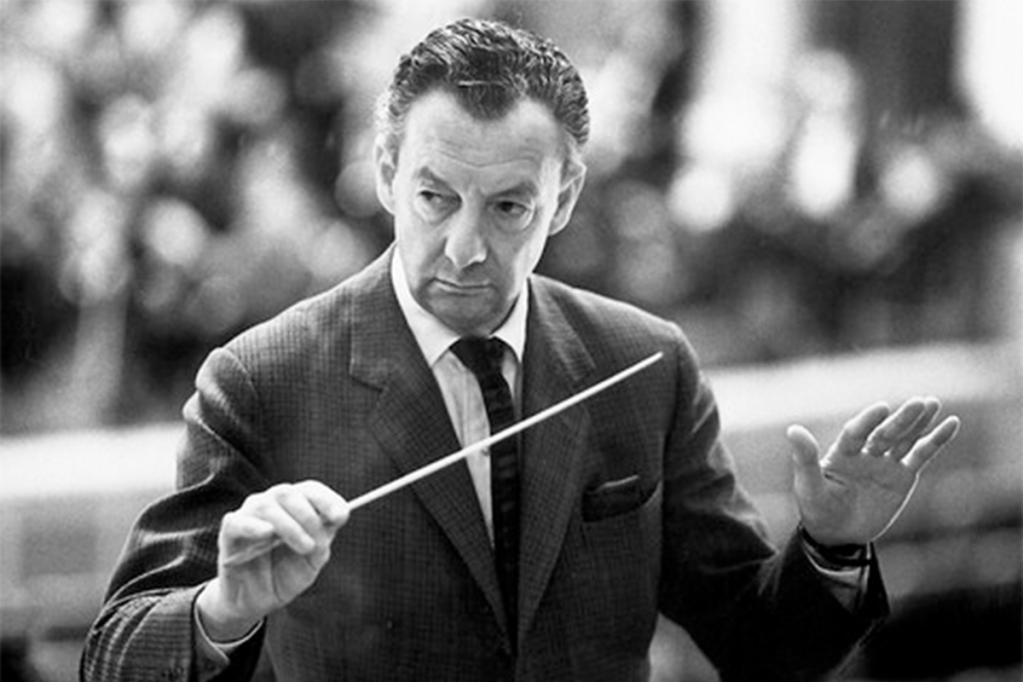
(November 2024) Episode 616 is BENJAMIN BRITTEN, one of the most renowned English composers of the 20th century. Operas and choral works are his most recognized forms, although he composed in a wide range: choral, voice, chamber, orchestral, film scores. Overall the character of his work is rather normie, a “progressive conservatism” as one critic called it. While he was influenced by Berg, Stravinsky and Schoenberg, his music is not avant-garde and does not defy convention. But there is a much interesting to the ear. Characterizing his own style, Britten said composers should aim at “pleasing people today as seriously as we can.”

Favourite piece: War Requiem

Favorite chamber work: Cello Suite No. 3 (dedicated to Mstislav Rostropovich)

Favourite choral work: Missa Brevis in D for Choir and Organ

Favourite solo piece: Six Metamorphoses after Ovid

Compared to expectations: same

Recommendation: War Requiem, his most famous work is a good place to start. I’m not into opera but try Peter Grimes if you are. I like the various cellos works.

615. Big Joe Turner

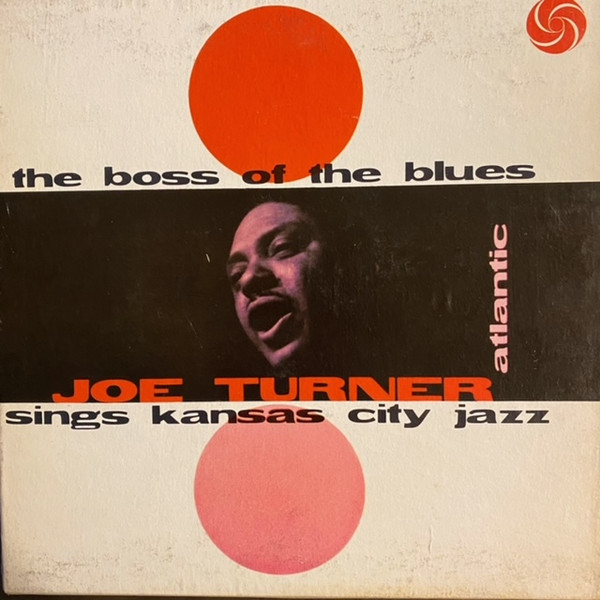
(November 2024) Episode 615 is BIG JOE TURNER. Known as a blues shouter, a performer whose booming voice was needed to be heard above the band. Turner’s voice was as big as his girth. His music, a mix of swing, jump blues and R&B, was extremely influential in the development of rock-n-roll. The best example is his landmark “Shake, Rattle & Roll.” Turner’s top period was in the late 40s and early 50s, but he kept making recordings through the 60s, 70s and early 80s, including jazz and electric blues. I admire his music for its influential role, but for me the style gets the formulaic and tends to bore me.

Favorite album: The Boss of the Blues

Favorite song: Roll ‘Em Pete

Compared to expectations: ↓

Recommendation: A compendium of late 40s-early 50s songs will do.

614. Gerry Rafferty

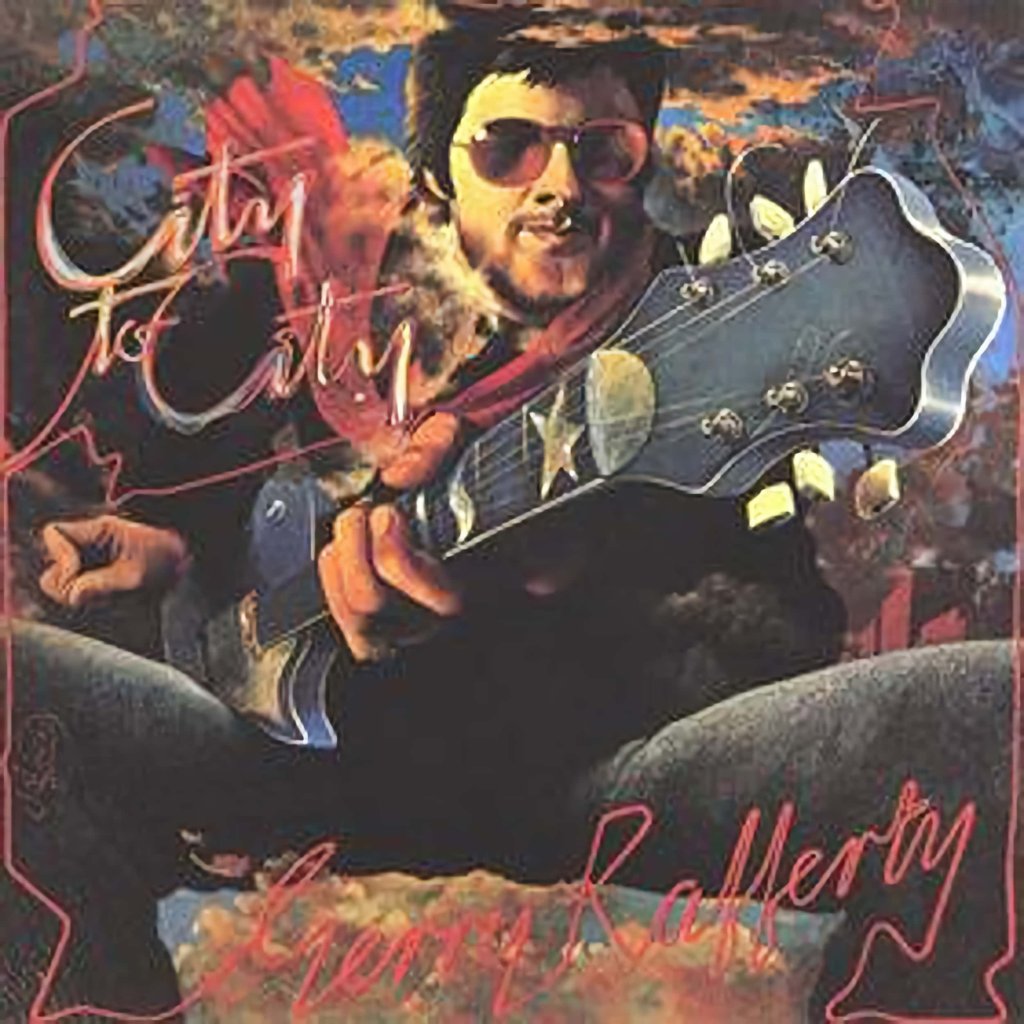
(November 2024) Episode 614 is GERRY RAFFERTY and his bands HUMBLEBUMS and STEALERS WHEEL. This episode exists because of my endless fascination with “Baker Street,” simultaneously a quintessential song of the 70s and one so unique it deserves to exist in a genre of its own. The next song on the City to City album, “Right Down the Line,” was also a deserved hit. A third notable song was “Stuck in the Middle,” recorded with Stealers Wheel in the early 1970s, a Dylan-homage subsequently homaged by Sheryl Crow and made indelible in Reservoir Dogs. He got his start in the late 1960s in a folk-rock duo called Humblebums with future comedian Billy Connolly. In between those two groups came his first solo recording, Can I Have My Money Back?, which best displays his McCartney-esque songwriting talents. Rafferty kept issuing albums through the 80s-90s-00s stocked with not unpleasant but not memorable songs; he had run out of creativity.

Favourite album: City to City

Favourite song: Baker Street

Compared to expectations: same

Recommendation: Try Can I Have My Money Back? with songs that quickly become enjoyable earworms.

613. Nails

(November 2024) Episode 613 is NAILS, a contemporary extreme metal/punk band that exists in that liminal space between hardcore punk and thrash and death metal, at times called grindcore. Whatever the label, it’s a mack truck of howls and thunder riffs hitting your face at 100 mph. Displaying its punk side, the songs are short, giving you time to take a breath between.

Favorite album: You Will Never Be One Of Us

Favorite song: Into Quietus

Compared to expectations: ↑

Recommendation: If you like things at the extreme, this may be for you.

612. Throbbing Gristle

(November 2024) Episode 612 of the “opus project” is THROBBING GRISTLE, considered pioneers of industrial music. A performance art group intent on antagonizing and subverting, Throbbing Gristle thrusts an array of mechanical and electronic sounds at you. It’s not unstructured but is certainly unconventional, and the rhythmic elements keep it from sounding like chaotic noise-making. The vocals, when deployed, are transgressive and dark. Their most accessible (and acclaimed) album, the sarcastically-named 20 Jazz Funk Greats, fits well in the post-punk of the year of its release (1979), bridging the Krautrock and synth-pop eras. But it’s an outlier in contrast to their general anti-musical approach.

Favourite album: The Second Annual Report

Favourite song: Very Friendly

Compared to expectations: same ↑

Recommendation: As if you couldn’t tell, this is not for everyone. Start with 20 Jazz Funk Greats, although I tend to favor the raw rusting factory material.

611. Iron Monkey

(November 2024) Episode 611 of the “opus project” is IRON MONKEY. This UK-based outfit recorded a couple of excellent sludge metal albums in the 90s and reunited for a third in 2017. This subgenre is not for everyone but it is for me. I think it’s funny that the music platforms attach an “E” warning for explicit lyrics when the words are (intentionally) indecipherable.

Favourite album: Iron Monkey

Favourite song: OmegaMangler

Compared to expectations: same ↑

Recommendation: An acquired taste. The first two albums are more raw, the third more refined.

610. Dusty Springfield

(November 2024) Episode 610 is DUSTY SPRINGFIELD. With her beehive hair and thick eyeliner, she was the quintessential 60s pop diva, perfecting a UK version of the girl ground sound. Most distinctive and special was her voice, soulful and close to the edge of husky, helping create the style called blue-eyed soul. Those who portrayed Adele as a new-generation Dusty were not wrong. This talent is best expressed through her most popular (and excellent) song, “Son of a Preacher Man,” originally written for Aretha Franklin. She recorded sporadically after her 60s peak but none of it is memorable.

Favourite album: Stay Awhile/I Only Want To Be With You

Favourite song: Son of a Preacher Man

Compared to expectations: same

Recommendation: A collection of her 60s hits will be nice.

609. The Fifth Dimension

(October 2024) Episode 609 is THE FIFTH DIMENSION. I knew them from “Aquarius/Let the Sunshine In” but not much else. From their origin (Los Angeles) and sound it’s proper to call them a sunshine pop band. Their early albums rely heavily on Jimmy Webb (composer of the greatest song of all time). With a flower power vibe (as evidenced by their most famous song), it’s very evocative of the late 60s. Rich harmonies are their key feature. But there’s a fine line between sunshine pop and easy listening/soft adult contemporary which is where the recordings end up in the 1970s, to little distinction.

Favorite album: The Magic Garden

Favorite song: Carpet Man

Compared to expectations: ↓

Recommendation: The first four albums (1967-69) offer a groovy 60s sound.

608. Sergio Mendes

Episode 608 is SERGIO MENDES, begun after his recent passing. Mendes did much to popularize the Brazilian sound around the world, especially in the United States. He wasn’t a pioneer in the same way as Jobim (whom he considered a mentor) and Gilberto were. But with “Herb Alpert Presents Sergio Mendes & Brasil ’66” he hit upon a magic formula with two female singers over bossa nova players. I love this music as so evocative of a certain 1960s scene. It’s digestible and acceptable easy-listening. Mendes covered a lot of rock/pop songs in the bossa nova style, which works for a while until it doesn’t. Frankly, much of his output from the mid-1970s on is trying to fit into music trends, from disco to hip hop, or just going straight pop, like the adult contemporary hit “Never Gonna Let You Go.” An exception would be the 1992 album Brasileiro and its return to Brazilian rhythms.  

Favorite album: Herb Alpert Presents Sergio Mendes & Brasil ’66

Favorite song: Mas Que Nada

Favorite later album: Brasileiro

Compared to expectations: same

Recommendation: The early 60s albums if you like it more jazzy, or the late 60s Brasil ’66 recordings for his classic sound. The rest you need not explore.