(September 2021) Episode 353 is THE POLYPHONIC SPREE. I was captivated by their debut album, with a technicolor choir robe-adorned chorus playing trumpet and flute and singing mystical sunshiny lyrics, creating a very Age of Aquarius vibe. But later recordings never matched the initial promise, and it descended into 10s-typical synth pop.
(September 2021) Episode 352 is THE EVERLY BROTHERS. Their flawless harmonies gave us pop standards and were immensely influential to the development rock-n-roll. To my ear, their harmony fit best outside their most popular, early 60s, somewhat bubblegum, period – in an early album of folk songs from an earlier generation (Songs Our Daddy Taught Us), and their later albums of country-rock (Roots).
(August 2021) Episode 351 is MUDHONEY. I started this one while in the Seattle area. They were delivering the grunge sound before the other Seattle-based bands who got more famous. I didn’t have Mudhoney in my playlist back then but I’m sure there are devotees who rank them above the others. They have a comparatively more punkish sound and sensibility and have been durable.
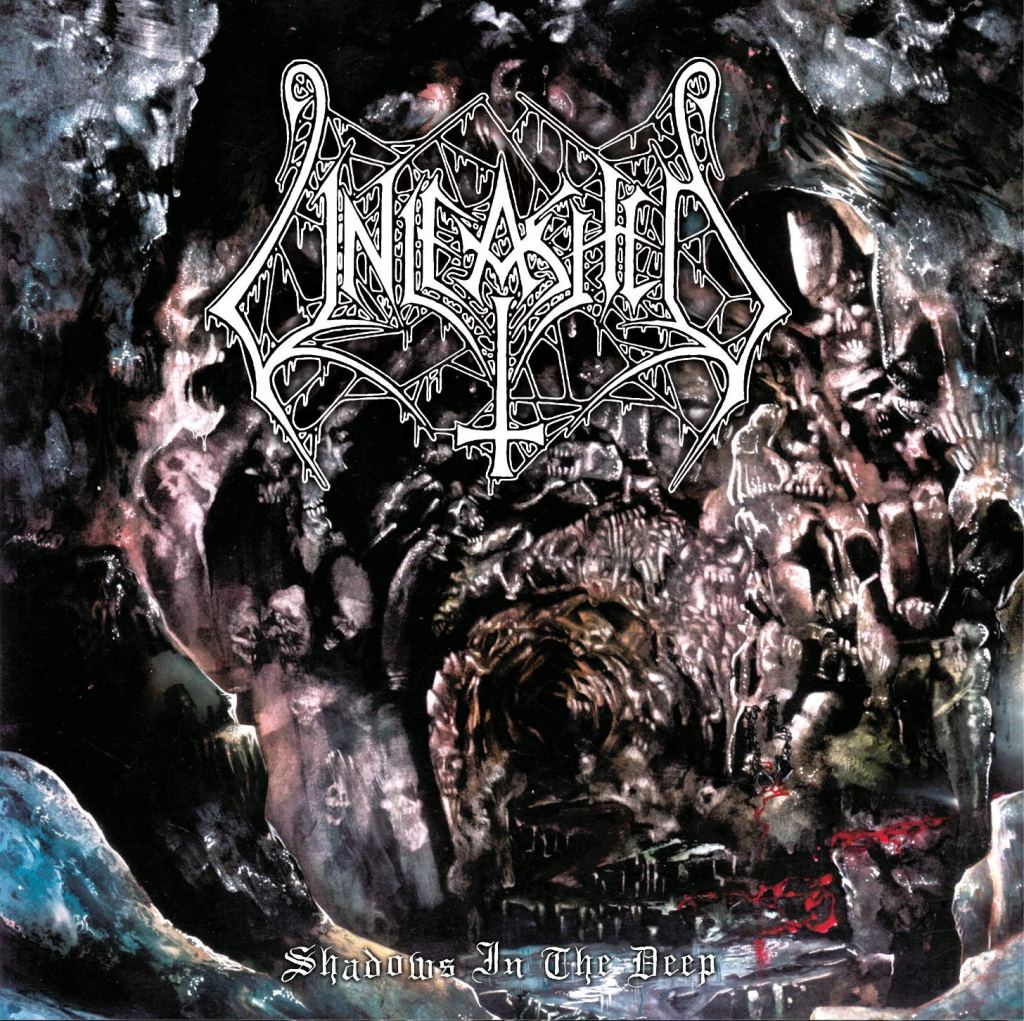
(August 2021) Episode 350 is VOMITORY. Skull-smashing, relentless Swedish death metal that runs at 100% on all cylinders of speed, thrash, cookie monster growl, and blood and doom lyrics.
(August 2021) Episode 349 is FELA KUTI. The man who invented Afro-beat, combining polyrhythms of his Yoruba musical heritage with the sounds and instrumentation of jazz and funk. Immensely influential. I’m not much a ‘world music’ fan, but much of Fela’s music offers an irresistibly fun groove. The height of his musical creativity coincided with a growth of political activism against Nigeria’s military government (and imperialism in general) which got him beat up and jailed. But his pro-liberation stance did not extend to women, as he was apparently a sexist pig.
(8/15/21) Episode 348 of the “opus project” is GRAM PARSONS. He’s called the father of country rock, although to my ear a lot of other artists were doing similar things at the time. I also don’t get why his music is called “cosmic.” That said, his mix of country, folk, R&B, soul and rock was influential, and a welcome alternative to the chrome and sap of countrypolitan coming out of Nashville. Austin City Limits basically embodies the Gram Parsons sound. He also introduced us to Emmylou Harris.
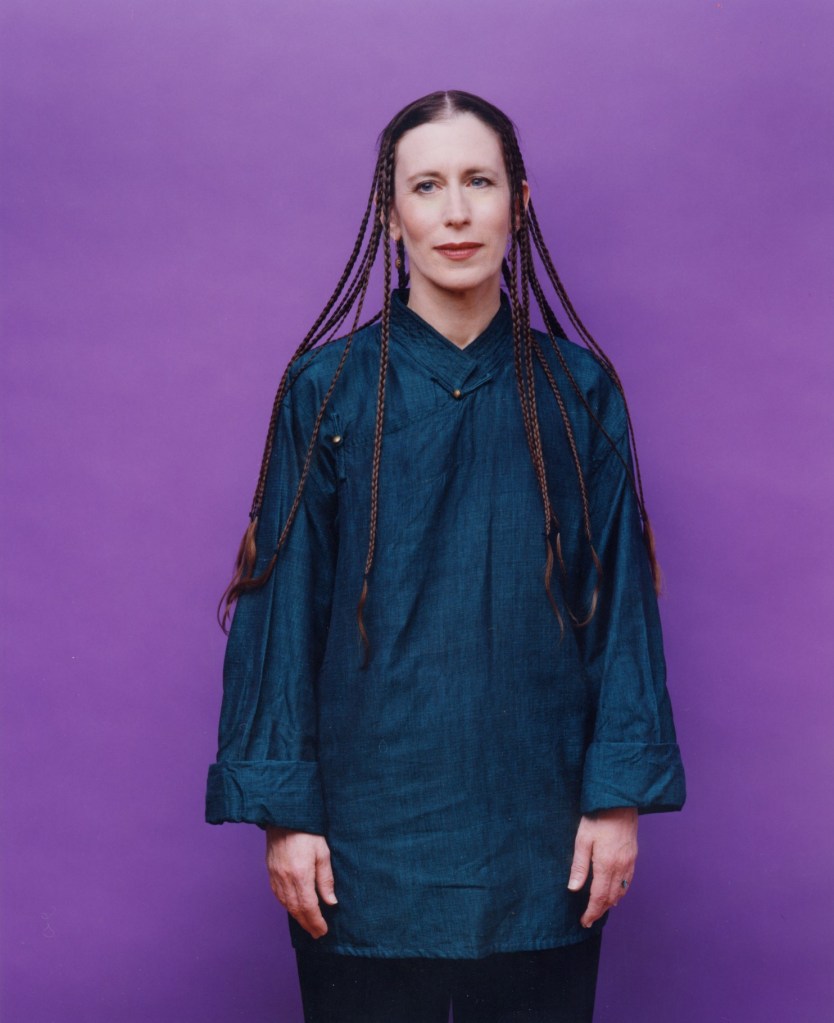
(August 2021) Episode 347 is JULIA WOLFE. I’ve seen the words “relentless” and “visceral” used to describe her music, and they are apt, and why I love it. There is much diversity and eclecticism in her sounds and styles, in part due to her collaborations in the Bang on a Can partnership, with a strong undercurrent of post-minimalism. Her compositions feature an abundant lack of convention, offering frequent surprises around each corner.
(August 2021) Episode 346 is MOUNTAIN. You know them for “Mississippi Queen” and perhaps for their appearance at Woodstock. Mostly their legacy comes from their heavy and loud sound which influenced the development of heavy metal. The first two albums are excellent period pieces and all that you need.
(July 2021) Episode 345 is CLUSTER, plus side project HARMONIA. Make a Krautrock Venn diagram of the sounds of Can, Tangerine Dream and early Kraftwerk, and that space in the middle is the sound of Cluster, who unfairly didn’t get the recognition of the others. Cluster requites my inordinate love of mid-70s synthesizer music. The duo teamed up with Brian Eno on some (by definition) quality recordings, directing their later sound toward Eno-esque brainy ambient.
(July 2021) Episode 344 of the “opus project” is LOUIS ANDRIESSEN, another one begun following the artist’s passing. Perhaps the most important modern Dutch composer, Andriessen’s works are like a menu sampler of classic musical genres of the 20th century, from neoclassical to serialism to minimalism, then arriving at a style iconoclastically his own. There is a lot here to choose from, including operas, experimental pieces, odd combinations featuring rock music elements, and quiet little piano pieces.