671. Sonny Boy Williamson

(August 2025) Episode 671 is SONNY BOY WILLIAMSON. This is John Lee Curtis Williamson, now known to historians as Sonny Boy Williamson I to distinguish from a contemporary who used the same name.  He’s known for popularizing the harmonica (blues harp) as an essential blues instrument. His recording career in the 1930s and 40s was relatively short due to his murder at a young age. But it’s a solid collection of Chicago-style blues punctuated by his harmonica skills.

Favorite song: Good Morning Little School Girl

Compared to expectations: same

Recommendation: A classic acoustic blues sound.

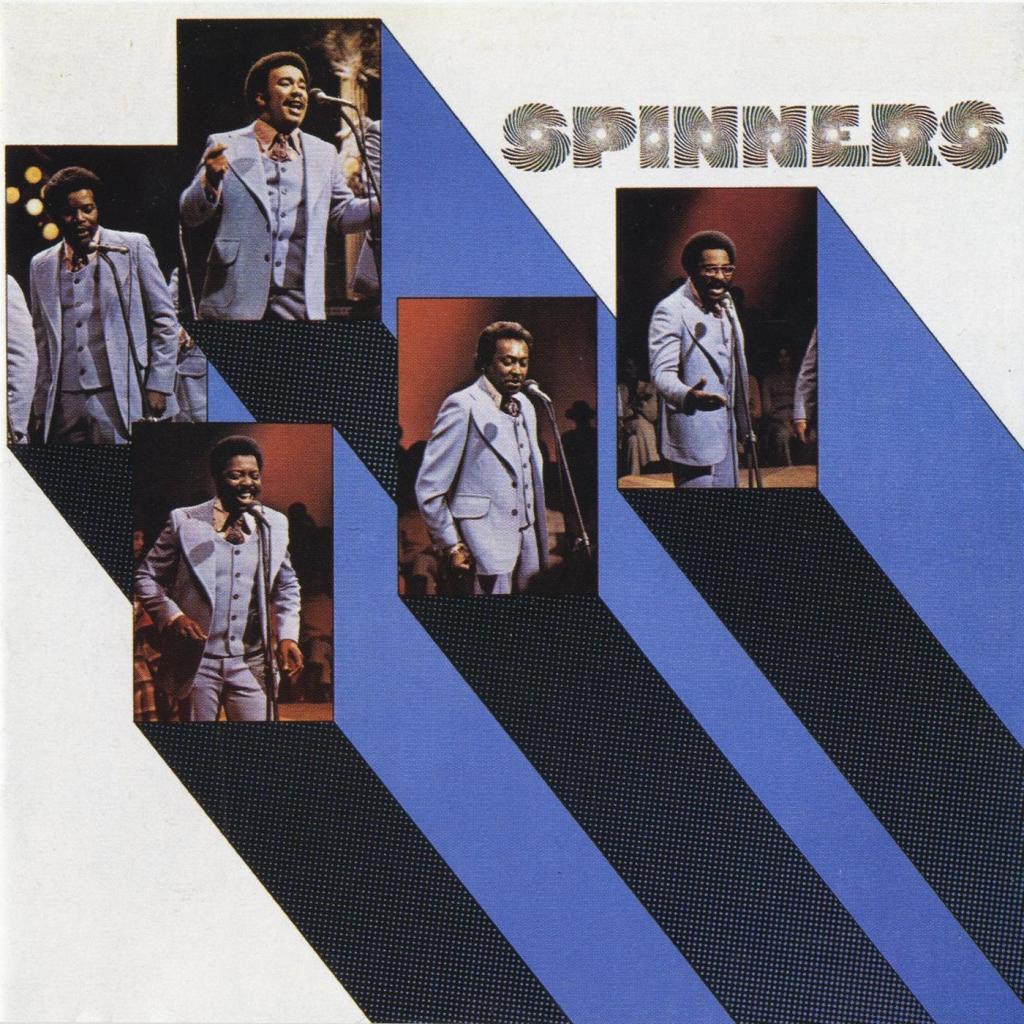
670. The Spinners

(August 2025) Episode 670 is THE SPINNERS. They started out as an R&B vocal group in Detroit and, naturally, signed to the Motown label. But it wasn’t until the beginning of the 1970s, which they switched to Atlantic, that they found success with hits like “I’ll be Around,” “Could It Be I’m Falling in Love,” and “The Rubberband Man.” It’s not bad but I put them in a lower tier; they lack the groove and funk of many contemporaries. The Spinners are identified with “Philadelphia soul,” marked by lush strong and horn arrangements, which is not my preferred soul/funk sound.

Favorite album: Spinners

Favorite song: The Rubberband Man

Compared to expectations: ↓

Recommendation: The albums from 1973-75 are their best work.

669. Glenn Branca

(August 2025) Episode 669 of the “opus project” is GLENN BRANCA. A shorthand way of describing his work is this what you would get by combining Sonic Youth and Steve Reich. Or minimalism with loud guitars. He came out of the no wave movement (thus the connection to SY) and became known for composing in conventional form (13 symphonies) with very unconventional orchestration, such as a full orchestra of amplified, alternately and microtonally tuned guitars. What it produces is a wall of noise, often unsettling to the ear, droning with subtle or negligible shifts in pitch and rhythm. He did experiment with different instruments and had a few vocal tracks. This is not easy listening music, but I find it fascinating.

Favorite album: The Ascension

Favorite song: The Smoke (Guitar Concerto for Arad Evans)

Compared to expectations: ↑

Recommendation: Not for everyone, but it may appeal to those with a taste for the avant-garde and experimental.

668. Esoteric

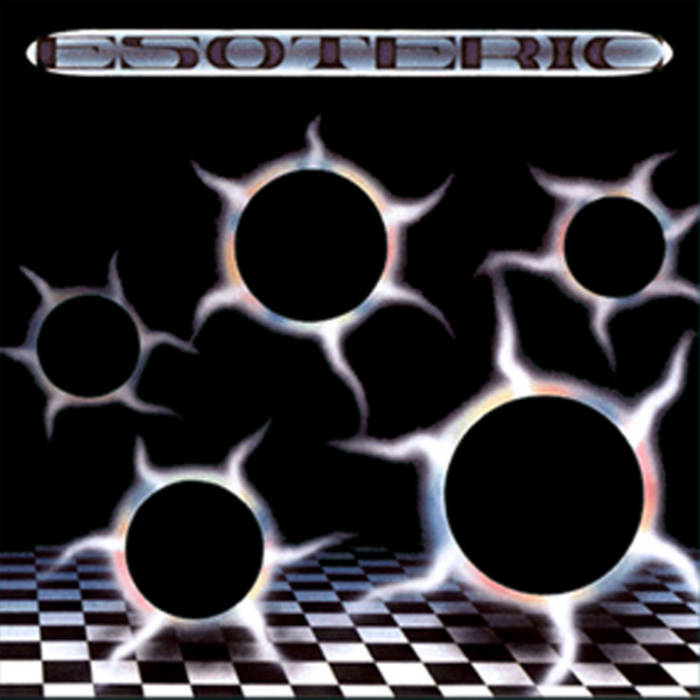
(August 2025) Episode 668 is ESOTERIC. This is called funeral doom metal. It’s slow, loud, ponderous, and with a growl, but lacks any melody or discernable structure. Each song is a 12-15 minute long dirge. The result is a wall of sound, a cinematic soundtrack of Hell. It certainly produces its intended quality, and I appreciate the audacity of it. But sonically, I prefer the pure straight-out-of-the-speaker sound of traditional doom/metal guitars to what Esoteric is doing. And after a while it all sounds the same.

Favourite album: The Pernicious Enigma

Favourite song: Circle

Compared to expectations: ↓

Recommendation: It’s certainly not for everyone. I might find it better as background rather than foreground music.

666. Satan

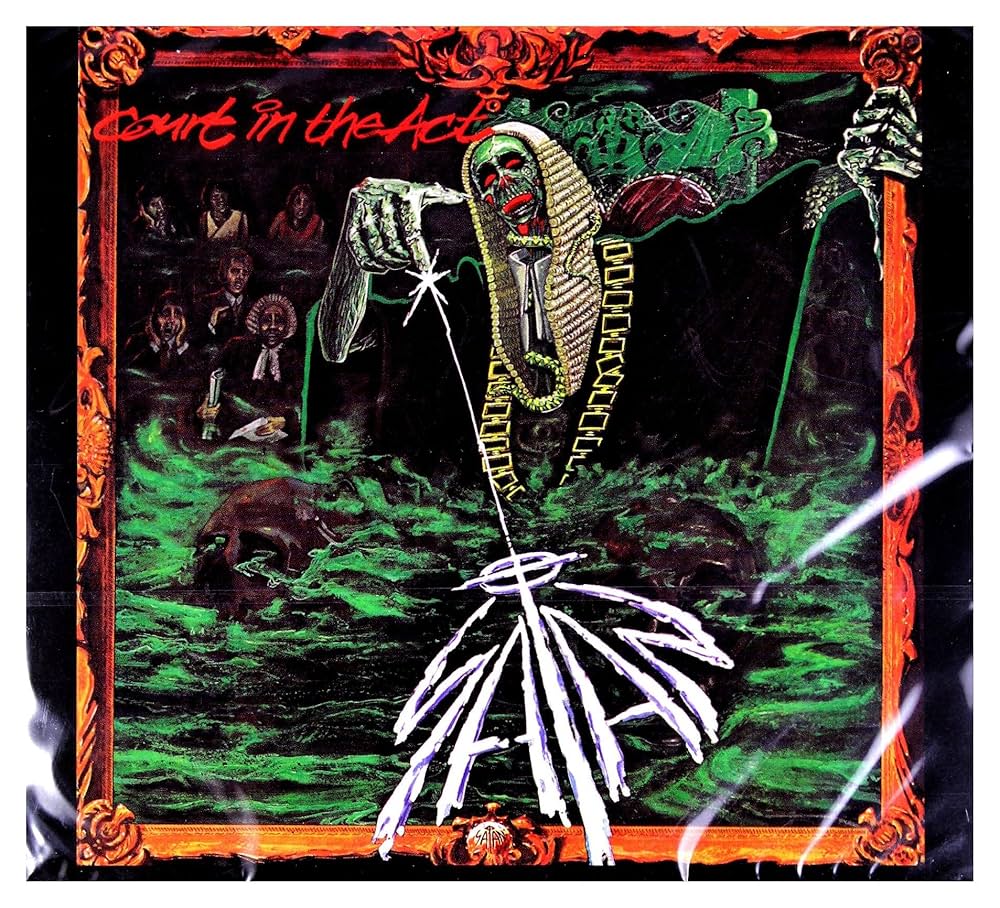
(August 2025) Episode 666 is SATAN. Of the many bands in the New Wave of British Heavy Metal, their distinction was being among the fastest, playing a kind of thrash before that label became popularized in the Bay Area.  Even that is not enough, IMO, to get them close to the top tier of NWOBHM. A lot feels rote, and despite the opportunity provided by the name, they never go full evil on lyrics or imagery. Amidst lineup changes, they also recorded as Blind Fury and Pariah, probably trying to avoid stigma in the satanic panic era. They reformed in 2013 with their original singer for several albums which bored me.

Favourite album: Court in the Act

Favourite song: Trial by Fire

Compared to expectations: ↓

Recommendation: The first two albums (under the Satan name) have a certain vintage.

665. Joan Baez

(August 2025) Episode 665 is JOAN BAEZ. For too long I shunned her as a stereotype of the shrill, humorless, righteous folk singer. And while that’s not entirely untrue, the mistake is mine. Getting to know her work has been a pleasure. I especially like her in her early 60s prime with just her guitar and her voice. She did broaden out to include a band and other styles in a six-decade recording career, some of it weak but plenty good. Inseparable from her music and her life is the commitment to social justice and peace, which was the event setting of the one time I saw her in person. She was a vital figure in the 1960s folk revival, and is still speaking up as an activist, and deserves a listen I was too late in giving her.

Favorite album: Joan Baez (1960)

Favorite song: Birmingham Sunday

Compared to expectations: ↑

Recommendation: The six, mostly eponymously-named albums between 1960 and 1965.

664. The Electric Prunes

(August 2025) Episode 664 is THE ELECTRIC PRUNES. After the disappointment of the falsely labeled “psychedelic” music of Episode 662, I needed some OG psychedelia. Thus the Electric Prunes. Their first two albums are quintessential psychedelic garage band material. Their path from there got weird. They were handed over to a producer who had them record a psychedelic Latin Mass, which strangely works, and another religious album released in the band’s name only. They issued one decent late-60s hard rock album before calling it quits. “I Had Too Much to Dream (Last Night)” was Lenny Kaye’s apt choice to lead off his original Nuggets compilation, setting the tone for that landmark box set and for a genre I adore. Some original members came together in the 21st century for four albums which, by the normally very low standards of decades-later regroupings, weren’t that bad.

Favorite album: The Electric Prunes

Favorite song: I Had Too Much to Dream (Last Night)

Compared to expectations: same

Recommendation: The first two albums are delicious psychedelic garage rock.

663. Daphne Oram

(July 2025) Episode 663 is DAPHNE ORAM, an early pioneer in electronic sound creation and composition, and also one of the first women in the field. She got her start making electronic music for the BBC in the 1940s-50s, and her music was used in early James Bond films. She invented an instrument called Oramics, which employed electric receptors to pick up shapes drawn on 35mm film to create variations in pitch, register, volume and vibrato. In the 1940s Oram composed a piece entitled “Still Point,” considered the first work to combine acoustic orchestration with live electronic manipulation. It wasn’t performed until 2016, years after her death.

Favourite album: Oramics

Favourite composition: Pulse Persephone

Compared to expectations: ↑

Recommendation: If, like me, you are into the sounds and tones of early electronic music, this is for you. Oramics provides what you need to know.

662. The High Dials

(July 2025) Episode 662 is THE HIGH DIALS. This is a good reminder to apply robust skepticism to any contemporary band given the label “psychedelic.” This Canadian outfit’s initial album, A New Devotion, drew me in by offering promise with Beatles/Byrds-style baroque rock songs. But thereafter they descend into that 21st century kind of pop/rock that over-processes voice and instruments into a lush-ness that someone decided to improperly label psychedelic, thereby insulting all the art and artistry of the OG psychedelic aesthetic. “Open Up the Gates” from their third album was good neo-psychedelia, though.

Favorite album: A New Devotion

Favorite song: Oisin, My Bastard Brother

Compared to expectations: ↓

Recommendation: Just that first album. I didn’t enjoy the rest.

661. Elmore James

(July 2025) Episode 661 is ELMORE JAMES. A blues legend known as “King of the Slide Guitar” and for loud amplification of his guitar. Traveling a well-worn blues trail from Mississippi to Chicago, his recordings were in the 1950s and early 1960s. If not for his early death in 1963, one figures his fame would have exploded in the 1960s blues revival.

Favorite song: Dust My Broom

Compared to expectations: same

Recommendation: Whose Muddy Shoes and Blues After Hours are good compilations of his songs.