(April 2025) Episode 645 is BEATRIZ FERREYRA, an Argentina-born, France-based pioneer of electro-acoustic music. This involves the use of tape (musique concrète) and audio signal processing (and later computers) to create experimental (some might say ‘futuristic’) soundscapes. You have to hear it to know what I’m talking about. She has composed for performance, soundtracks and art exhibitions. It may not be for everyone, but I really like this kind of music.
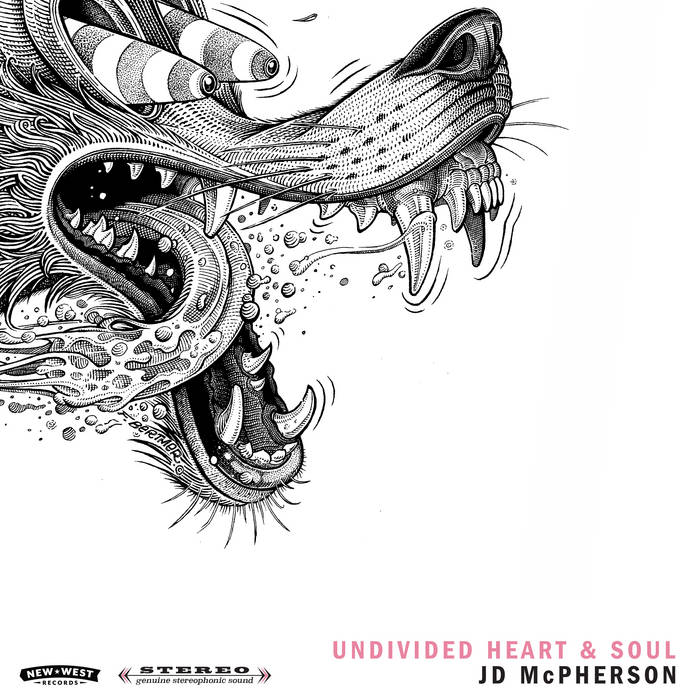
(December 2024) Episode 620 is JD McPHERSON. I first heard him through his song “Lucky Penny” from the excellent soundtrack to the stellar TV show Reservation Dogs (McPherson is from Oklahoma where the show is based). That song is fuzzier/grittier than most of the rest but was a good entry point. Overall, his stuff is in the rockabilly/country blues/roots space; a close analog is the Black Keys (of course, McPherson has collaborated with Dan Auerbach). It’s retro in temperament but not in imitation; the songs are fresh and original in their homage. For example, his Christmas album is all original songs, no covers. On paper I would not normally be drawn to this music but I’m glad I was.
Recommendation: His first album Signs and Signifiers is mostly rockabilly and will appeal to semioticians; each subsequent album broadens its scope a bit. All are enjoyable.
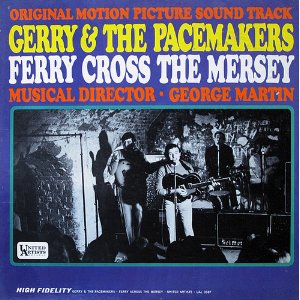
(December 2024) Episode 618 is GERRY AND THE PACEMAKERS. There are only two groups who can ever be called the biggest bands out of Liverpool. The first was Gerry and the Pacemakers, who hit the charts slightly before those other lads. Their mix of peppy guitar pop and sweet ballads helped define the Merseybeat sound. Their sound is very similar to the Beatles’ first couple of albums – unsurprising as they were managed by Brian Epstein and produced by George Martin. They were even given their own “Hard Day’s Night” film/soundtrack project: Ferry Cross the Mersey. Gerry Marsden was their only singer, though, and they suffered in comparison to the Beatles’ three-part harmony. And once the UK’s center of musical gravity shifted to the London R&B bands, the Pacemakers’ sound fell out of fashion ad they broke up. But they live on at every Liverpool FC* home match when fans chant the team anthem, the Pacemakers’ version of “You’ll Never Walk Alone.”
Recommendation: If you’re looking at one album, try Ferry Cross the Mersey, but a greatest hits package will capture their peppy early chart toppers like “I Like It” and “How Do You Do It?”
(November 2024) Episode 613 is NAILS, a contemporary extreme metal/punk band that exists in that liminal space between hardcore punk and thrash and death metal, at times called grindcore. Whatever the label, it’s a mack truck of howls and thunder riffs hitting your face at 100 mph. Displaying its punk side, the songs are short, giving you time to take a breath between.
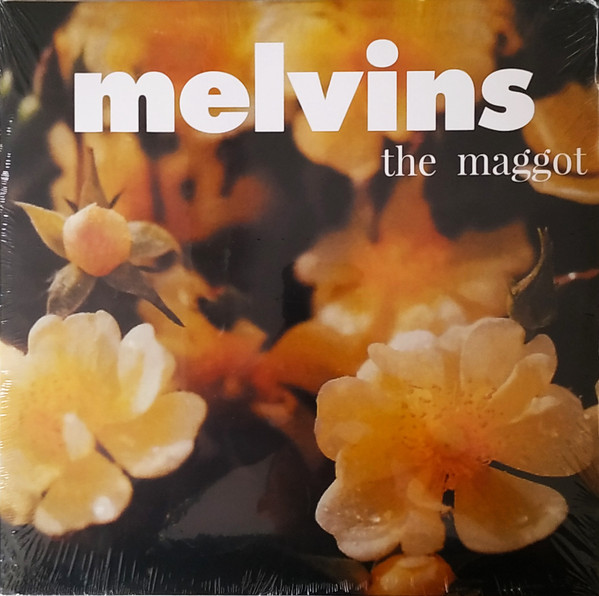
(February 2024) Episode 546 is MELVINS. It’s difficult describe their sound, so let’s start where they started. The first recordings of this Washington state band in the 1980s had a heavy rock sound, with drop-D tunings jumping back and forth to the third fret, with a somewhat anarchic vocal style. This was grunge before grunge and sludge metal before sludge metal. So Melvins are credited as a key influence for both genres, although their subsequent two dozen+ albums defy either label. Low sludgy guitars are the regular feature throughout, but how they’re used varies. Styles shift within and among albums: various metal, hard rock, experimental, noise, sound collages, pop punk, country punk, and some clever covers. Amidst all this, they sound like they’re having a lot of fun, which is the glue that holds together what otherwise might come off as haphazard affairs.
Recommendation: I picked The Maggot as my favorite as it offers the most consistent heavy sludge/stoner grooves, but that may be my preference. There’s so much weird stuff here that you’ll have to explore on your own.
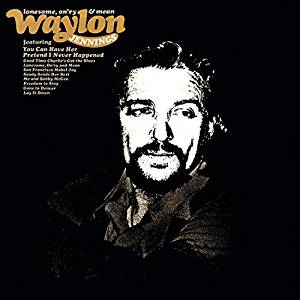
(March 2023) Episode 482 is WAYLON JENNINGS, arguably the most iconic figure in Outlaw Country, one of the least unpalatable subgenres of country music. His dirt-encrusted baritone is all-American and one of the most recognizable, if not widely imitated, voices in country. He recorded prolifically, including numerous collaborations (most famously with Willie Nelson), soundtrack and theme songs (“Dukes of Hazzard”). On side comment: covering songs is a staple of country recording artists, especially of each other. Occasionally they extend to pop and rock. I found Waylon’s covers of beyond-genre songs particularly cringy, with examples listed below.
Recommendation: A sampler will do for the casual listener. The early 70s albums are the peak of his outlaw output, but the late 60s recordings are good too.
(MArh 2023) Episode 480 is GONG GONG GONG 工工工. This is a Beijing-based duo (one from Hong Kong, one from Canada) who turn amplified busking into a surprisingly mesmerizing distorted groove. Inversely, the guitar keeps the rhythm while the bass does the melodic work, with occasional vocals that give a regional flavor, done in Chinese (I can’t tell if it’s Mandarin or Cantonese) in the pentatonic style. It’s primitive but it captures you – that’s the essence of rock n’ roll, right?
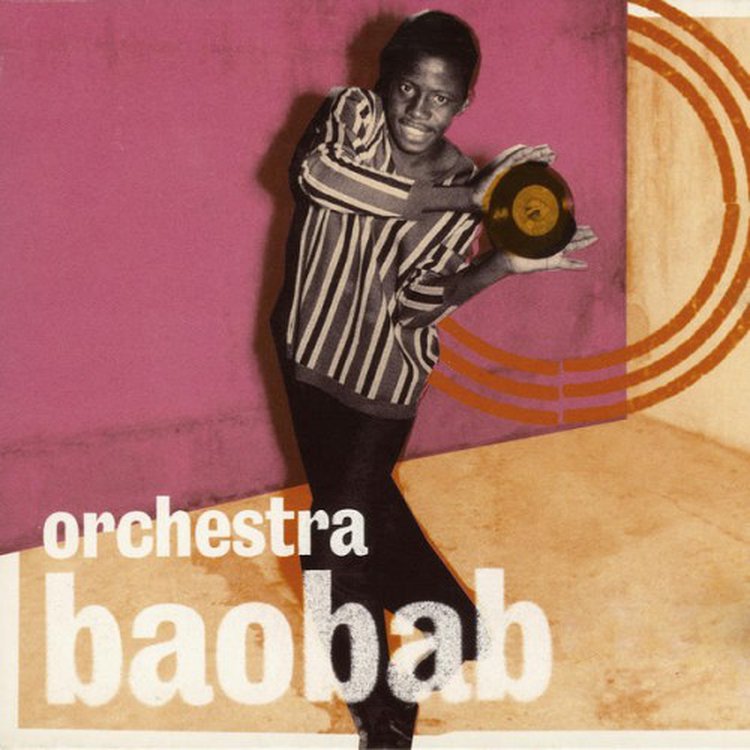
Episode 472 is ORCHESTRA BAOBAB. A big-time African band in the 1970s and Senegal’s biggest musical export until Youssou N’Dour. You get the expected goodness of afro-beats but there is such a strong Cuban influence you might think they were from Cuba if not for singing in Wolof and French (but with some Spanish too). I especially love the groovy and psychedelic guitar bits.
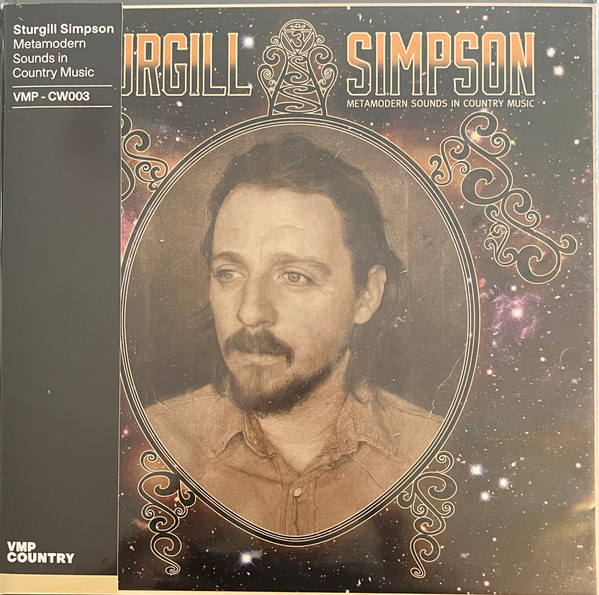
(October 2022) Episode 445 is STURGILL SIMPSON. I’ll never be a country music fan but I’m trying to expand my knowledge. In conventional mode, Simpson evokes outlaw country and Merle & Waylon (much better than hot country which I loathe), and nails bluegrass and ballads too. But he also goes iconoclast on a couple albums with electronic sounds and distorted guitars for an alt rock sound.
Favorite album: Metamodern Sounds in Country Music
(May 2022) Episode 410 is BLIND LEMON JEFFERSON, known as the Father of Texas Blues. He recorded a hundred songs in the 1920s, and was popular at the time for his distinctive voice and guitar playing. He was rediscovered in the 1960s as lots of artists covered his songs. Allegedly Jefferson Airplane took their name from him.