(February 2021) Episode 319 is CHARLEY PATTON. The Father of the Delta Blues, which is all you need to say about his importance to American music.
Favorite song: Shake it and Break It
Compared to expectations: same
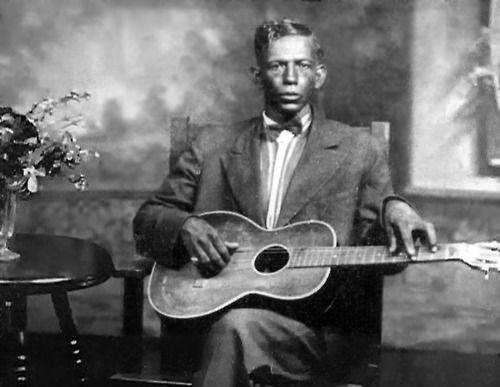

(February 2021) Episode 319 is CHARLEY PATTON. The Father of the Delta Blues, which is all you need to say about his importance to American music.
Favorite song: Shake it and Break It
Compared to expectations: same
(February 2021) Episode 318 is SHOCKING BLUE. The Netherlands’ top contribution to the psychedelic explosion of the late 1960s, Shocking Blue is most famous for “Venus” (you know, covered by Bananarama). They put out several decent albums of rock songs with a somewhat groovy/hippie vibe.
Favorite album: Inkpot
Favorite song: Shadows
Compared to expectations: same

(February 2021) Episode 317 is GYÖRGY LIGETI. You will recognize him from the monolith music in 2001: A Space Odyssey, excerpted from his innovative choral works composed in a technique he called micropolyphony, which characterized his late 1960s focus. But his breadth extended to electronic, chamber, orchestral and piano, making him one of the most influential and one of my favorite avant-garde composers of the second half of the 20th century.
Favorite piece: Chamber Concerto for 13 instrumentalists
Favorite choral work: Requiem
Favorite orchestral piece: Ramifications
Favorite chamber piece: String Quarter #2
Favorite keyboard piece: Hungarian Rock (Chaconne)
Compared to expectations: ↑
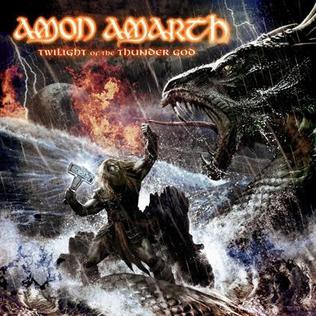
(February 2021) Episode 316 is AMON AMARTH. When you need some Swedish death metal — and who doesn’t? — Amon Amarth amply satisfies. They offer the full package: double-pedal thunder speed, 99% growl vocals, Norse mythology, and doom themes. Consistently fast and loud. Good stuff.
Favorite album: Twilight of the Thunder God
Favorite song: The Last With Pagan Blood
Compared to expectations: same
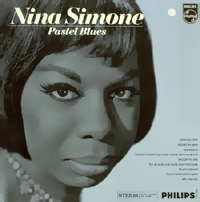
(February 2021) Episode 315 is NINA SIMONE. There is so much that is remarkable about Nina Simone. Her deep and expressive voice, best suited to the jazz tunes of her early career IMO. Her skills on piano, arranging and songwriting. The diversity and eclecticism of her musical tastes (from gospel and blues to The Beatles and Hall & Oates). Her independence and activism for civil rights. She owned the 1960s.
Favorite album: Pastel Blues
Favorite song: Four Women
Compared to expectations: same
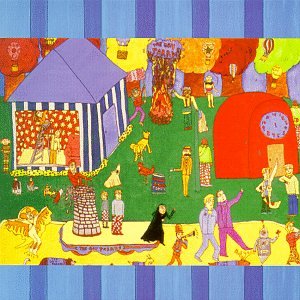
(February 2021) Episode 314 is OF MONTREAL. I like most anything that comes out of the Elephant 6 collective, but of Montreal was overall a disappointment. They start out in typical E6 fashion — lo-fi, Beatles-philic songs — followed by a couple of Kinks-esque, music hall-style, baroque pop albums, all with quirky song titles and lyrics. But after that it’s mostly synth-laden electro-pop stuff that did not interest me.
Favorite song: Doing Nothing
Favorite instrumental song: The Gay Parade
Compared to expectations: ↓
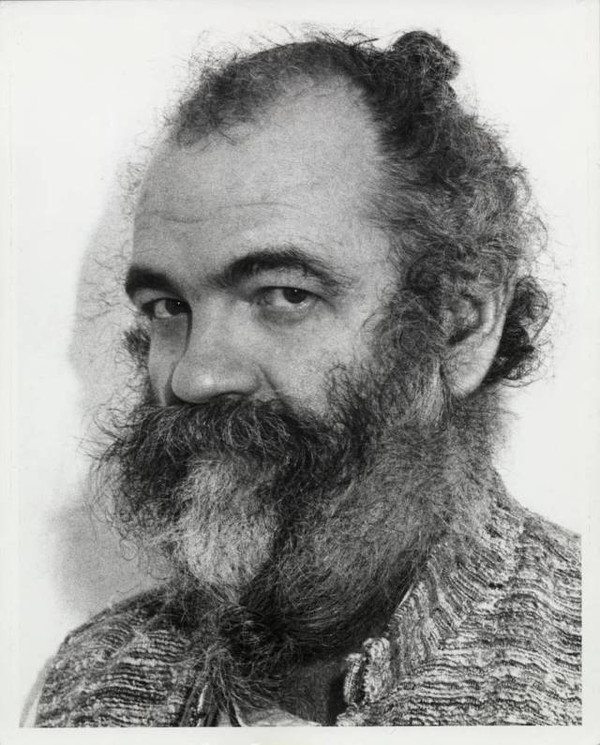
Episode 313 is LA MONTE YOUNG. Inspired by Cage, he set out to question the definition and nature of music: one work is just pushing a piano against a wall. He deeply explored sustained tones — what was later dubbed drone music — which made him a pioneer in minimalism. Young also composed in just intonation, collaborated with Indian classical musicians, and did all sorts of avant-garde stuff with his Theater of Eternal Music and elsewhere.
Favorite piece: Just Charles & Cello in The Romantic Chord
Compared to expectations: same
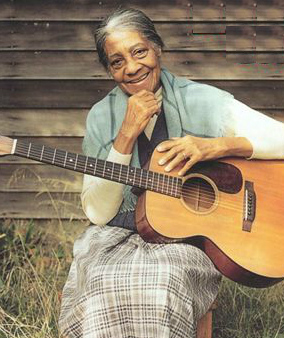
(January 2021) Episode 312 is ELIZABETH COTTEN. If you like guitar pickin’ you’ll love her. And a great story. Cotten taught herself to play an unorthodox way: left-handed but with the strings in the right-handed position, so her fingers did the bass and her thumb the melody, for a style aptly called “Cotten picking.” She learned as a youth, gave it up for decades, and then started performing and recording in her 60s, influencing many in the folk revival.
Favorite song: Freight Train
Favorite instrumental song: New Year’s Eve
Compared to expectations: ↑
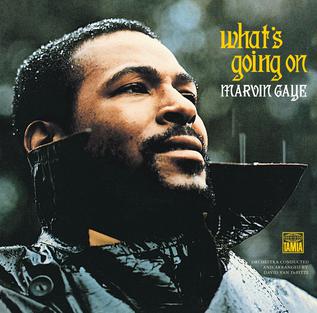
(January 2021) Episode 311 of the “opus project” is MARVIN GAYE. His silky voice and songwriting tracked and defined the arc of R&B through its evolution in the 1960s and 70s. That voice could be sweet, sexy or serious, and matched well with female vocalists on several duet albums. The peak are the early 70s albums that melded sophisticated soul with social commentary and an assertion of artist independence from the Motown label.
Favorite album: What’s Going On
Favorite song: I Heard It Through the Grapevine
Sexiest song: Let’s Get It On
Favorite duet album: United (with Tammi Terrell)
Compared to expectations: same
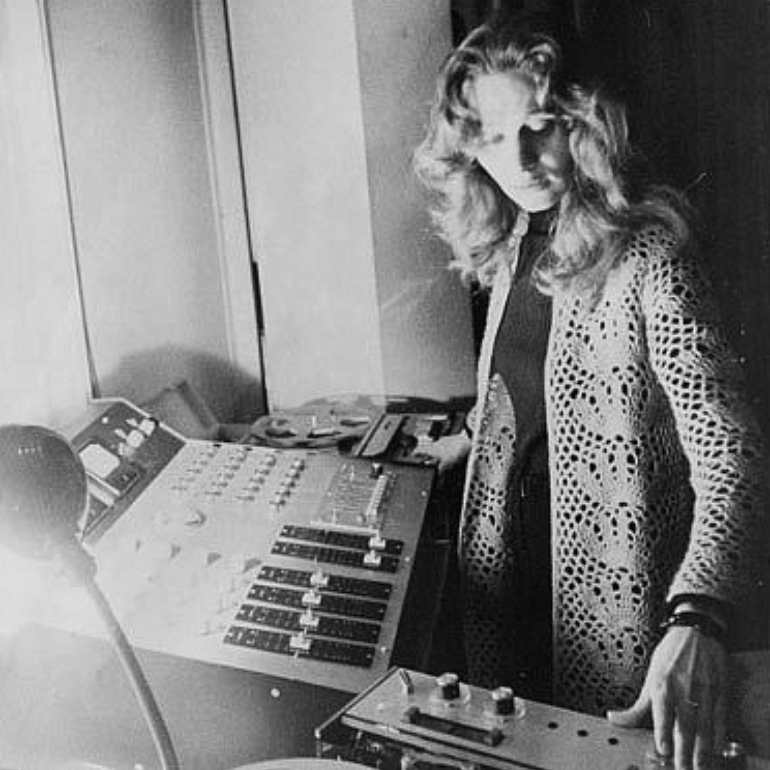
(January 2021) Episode 310 is ÉLIANE RADIGUE, a French composer of drone music featuring long sustained notes and harmonics. She was an experimental pioneer in tape, feedback and early synthesizers in the 1960s. She converted to Tibetan Buddhism in the 1970s, which influenced the tone and topic of her works. In the 21st Century she switched to composing for acoustic instruments exploring a variety of harmonic resonances.
Favorite piece: Kailasha
Favorite series: Adnos I-II-III
Compared to expectations: same