566. Popol Vuh

Episode 566 is POPOL VUH. They are categorized as a Krautrock band but the German word term for it, “kosmische Musik,” fits better as they are cited as pioneers of “space music.” And electronic music too, as their first two albums featured the Moog synthesizer. But then leader Florian Fricke set that aside for piano and guitars, creating ambient soundscapes and textures with ethereal, at times spiritual, dimensions and non-European percussion and vocals. Fricke was close with Werner Herzog and composed soundtracks to several of his films. Among the Krautrock groups, Popol Vuh’s approach was closer to Tangerine Dream and Ash Ra Tempel (as contrasted with Kraftwerk and Neu!). But the artist I find most similar in sound is Mike Oldfield. Like Oldfield (and Manuel Göttsching) Fricke mastered that lovely high pitch warbly guitar tone. Popol Vuh was a progenitor of world music and New Age, but I must make clear that I would not identify Popol Vuh with either of those genres as they came to be known. I adore 1970s electronic/ambient music but get turned off by the “New Age” style it evolved to by the 1990s (I’m looking at you Tangerine Dream).

Favorite album: Einsjäger und Siebenjäger

Favorite song: Hosianna Mantra

Compared to expectations: ↑

Recommendation: Most everything is good here. The early electronic albums have their appeal, but I like the mid-1970s spiritual stuff the best. Least are the late 1990s albums which start to sound New Age-y.

462. Aphex Twin

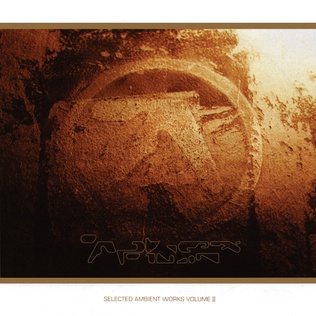
(December 2022) Episode 462 is APHEX TWIN. Every couple years I pull out a techno/electronic dance music artist in the hope that something appealing about the genre will be revealed to me. It hasn’t happened yet, and it didn’t with Aphex Twin. That said, I do like some of James’ early ambient work (especially the beatless Vol II) and appreciate his creativity in what appears to be a desire to make genuine music.  Yet no matter the intention, EDM always sounds to me like something to market to rave clubs and Euro-style hotels.

Favourite album: Selected Ambient Works Volume II

Favourite song: Rhubarb

Compared to expectations: same

Recommendation: just the two early ambient albums, IMO

345. Cluster

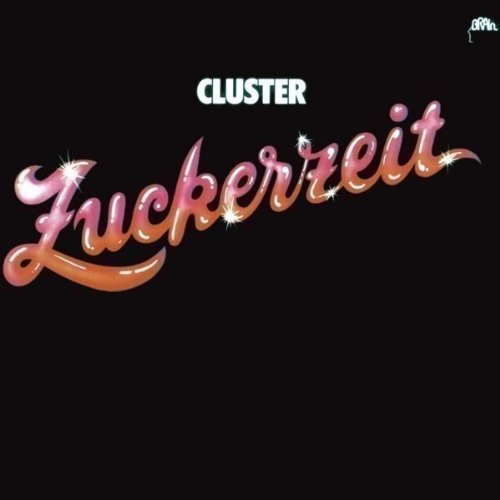
(July 2021) Episode 345 is CLUSTER, plus side project HARMONIA. Make a Krautrock Venn diagram of the sounds of Can, Tangerine Dream and early Kraftwerk, and that space in the middle is the sound of Cluster, who unfairly didn’t get the recognition of the others. Cluster requites my inordinate love of mid-70s synthesizer music. The duo teamed up with Brian Eno on some (by definition) quality recordings, directing their later sound toward Eno-esque brainy ambient.

Favorite album: Zuckerzeit

Favorite song: Hollywood

Favorite Harmonia album: Deluxe

Favorite Harmonia song: Deluxe (Immer Wieder)

Compared to expectations: ↑

338. Biosphere

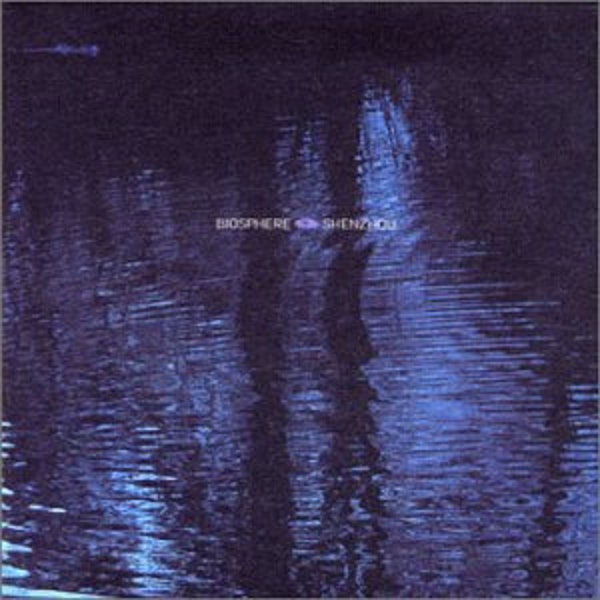
(July 2021) Episode 338 of the “opus project” is BIOSPHERE, the recording name of Norwegian Geir Jenssen (this includes his other works too).  Ambient can mean a lot of things, and he touches most of them. The majority of his stuff is more textural and minimal, the kind I prefer, but he also records techno-ambient, which I loathe (reminds me of ghastly upscale Euro-chic hotels).  He also makes literal ambient sound recordings.

Favorite album: Shenzhou

Favorite song: Translation

Compared to expectations: same

307. Harold Budd

(January 2021) Episode 307 of the “opus project” is HAROLD BUDD. Another episode I started following the artist’s passing. Following early years exploring musical styles, he settled on the art of sound textures (principally on piano) and became a prolific master. The term “ambient” is most apt (although he disliked it), but don’t be fooled into thinking this is cloying New Age drivel.  The compositions are as cerebral and intentional as they are ethereal and unworldly.  Much of his releases are collaborations, such as with Brian Eno and Robin Guthrie.

Favorite album: The Pearl (with Brian Eno)

Favorite album (solo): The White Arcades

Compared to expectations: same

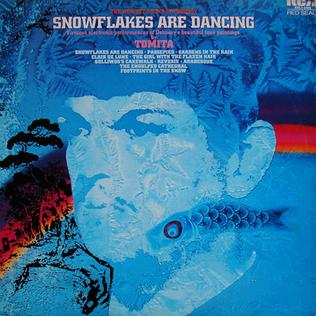
192. Tomita

(November 2018) I have completed episode 192 of my “opus project.” This edition: TOMITA. A pioneer of electronic music in the 1960s and 1970s, Isao Tomita is most famous for his electronic interpretations of famous classical works, although he did plenty of soundtracks too. I enjoy those early period synthesized sounds, although, listening from a distance, it can come off as cheesy. Also some nostalgia here, as Tomita was the playlist to many afternoons of board game playing.

Favorite album: Snowflakes are Dancing

Favorite song: Prelude to the Afternoon of a Faun (Debussy)

Compared to expectations: ↓

Snowflakes_Are_Dancing.jpg


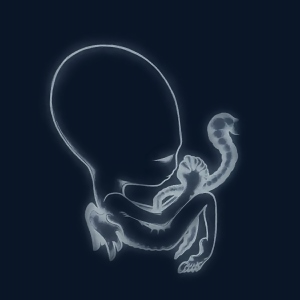
180. Sigur Rós

(September 2018) I have completed episode 180 of my “opus project.” This edition: SIGUR RÓS. I was in Iceland last month. I already did Björk so I started Sigur Rós while there despite having zero familiarity. I was pleasantly surprised with their alt rock/dream pop/ambient music, which provided a perfect accompaniment for the stunning Icelandic landscape. At times, though, it sounds like they’re trying too hard to get licensed for TV and movie soundtracks.

Favorite album: Ágætis byrjun

Favorite song: Svefn-g-englar

Favorite ambient recording: Route One

Compared to expectations: same

ÁgætisByrjunCover.jpg

159. Jean-Michael Jarre

(March 2018) I have completed episode 159 of my “opus project,” in which I listen to an artist’s full discography. This edition: JEAN-MICHEL JARRE. As a big fan of the golden age of electronic music, JMJ’s 1970s albums have always been in my rotation. Unlike some contemporaries, JMJ’s career did not wholly descend into new age-y drivel (like Tangerine Dream) or wander into vocals (like Mike Oldfield).

Favorite album: Óxygene

Favorite song: Équinoxe 5

Favorite period: 1973-78

Best ambient: Waiting for Cousteau (song)

Compared to expectations: same

Equinoxe_Jarre_Album.jpg

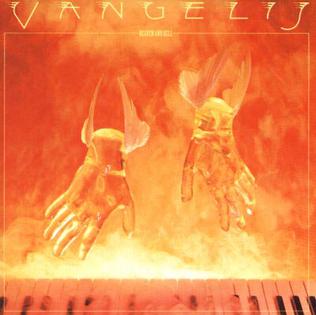
120. Vangelis

(April 2017) I have completed episode 120 of my “opus project,” in which I listen to an artist’s full discography. This edition: VANGELIS. Best known for his lush, new age-y soundtracks, his career is much more, covering psychedelic rock, avant-garde jazz, ambient and experimental electronica. As a fan of 1970s electronic music, I especially like his pioneering work in that period. Also, his first band, Aphrodite’s Child, makes an excellent contribution to psychedelic rock and probably should have received its own treatment.

Favorite album: Heaven and Hell

Favorite soundtrack album: Opera Sauvage

Favorite song: The Dragon

Favorite period: 1975-79

If you want nine hours of uninterrupted meditation music: The Tegos Tapes

Compared to expectations: same

Vangelis_Heaven_and_Hell.jpg