688. Iggy Pop

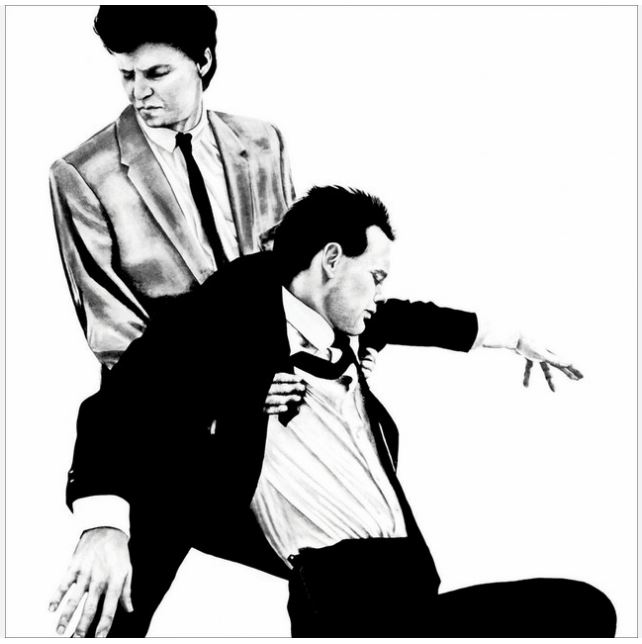
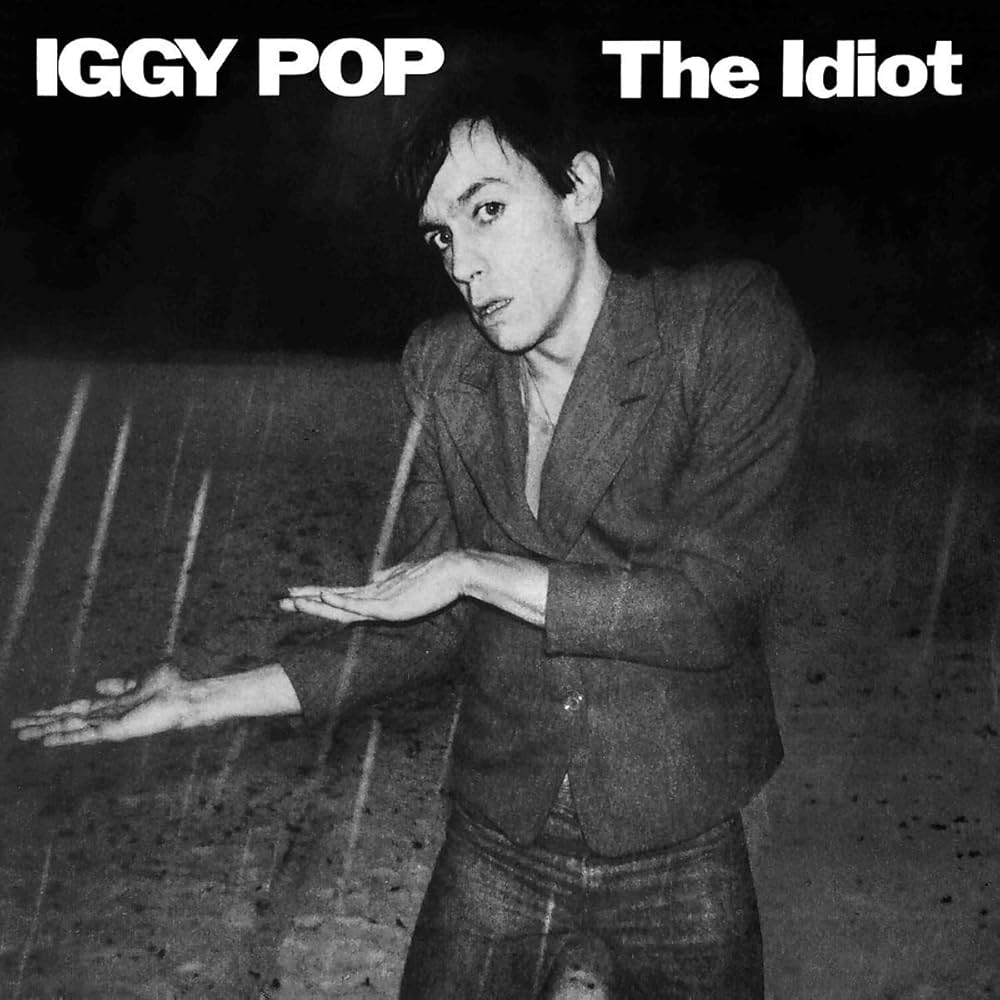
(October 2025) Episode 688 is IGGY POP. This provides a case study (as with Lou Reed) into whether an extended solo career derives from evolving musical creativity or riding on the fumes of fame earned as frontman with an iconic and seminal group (and image cultivation). With Iggy Pop it’s both. Arguably the strongest are the first two albums done with David Bowie on retreat in Berlin. But that’s followed by a decade and a half of weak offerings including an attempt at new wave. But 1993’s American Caesar was a return to raw power (!) sound that continued through the Stooges reunion in the 2000s. The 21st Century saw experimentation with spoken word and European pop. Overall I’ll say Iggy Pop has proven his stature.

Favorite album: The Idiot

Favorite song: Lust for Life

Compared to expectations: same

Recommendation: The Idiot and Lust for Life (Bowie years) and most of the 90s albums
675. Scott Walker

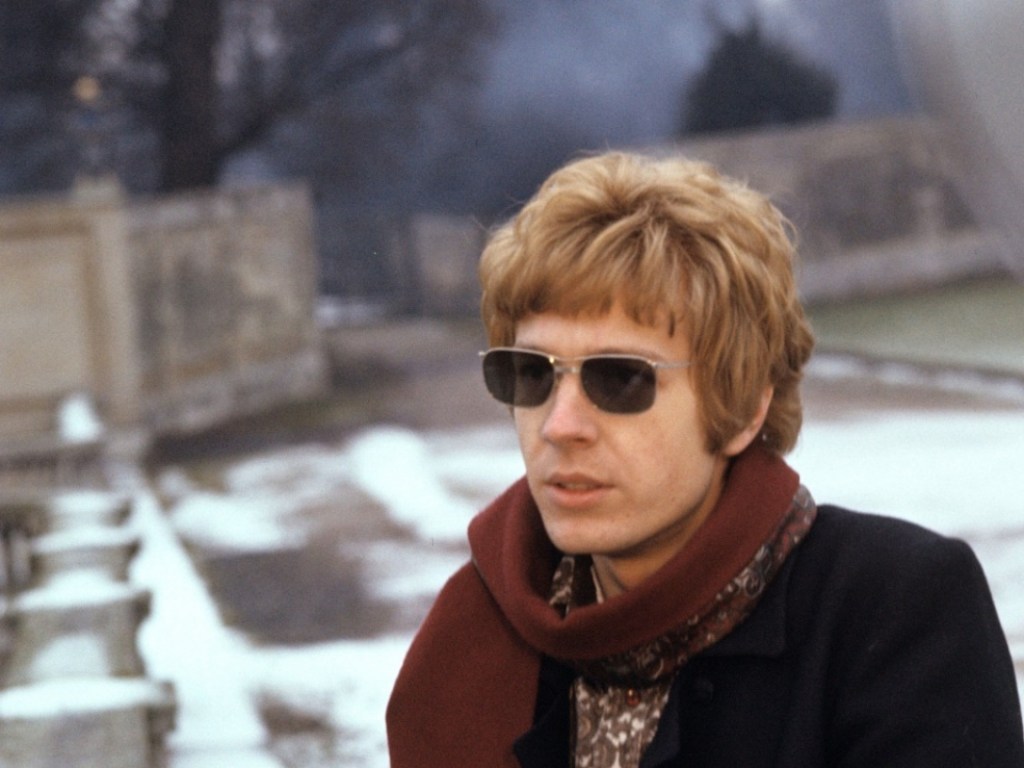
(September 2025) Episode 675 is SCOTT WALKER. I did this episode because I knew he gained a cult following for avant-garde music later in his career. What I didn’t realize was the slog it would take to get there. I have never understood the popularity or appeal of The Righteous Brothers’ “You’ve Lost That Lovin’ Feeling.” Well, the Walker Brothers (not their real names) sound just like that, a deep baritone voice over grandiose string-laden arrangements. Not my cup of tea. Scott largely continued that style when he went solo. But he started to move in an unorthodox direction in the 1980s, and by the 1990s was releasing full avant-garde recordings. It is interesting stuff, if nothing else than for being eccentric. But by the time I got there, I was so tired of his distinctive voice that it didn’t work for me.

Favorite album: Bish Bosch

Favorite song: SDSS1416+13B (Zercon, A Flagpole Sitter)

Compared to expectations: ↓

Recommendation: I can’t, really, although I acknowledge his cult following.

669. Glenn Branca

(August 2025) Episode 669 of the “opus project” is GLENN BRANCA. A shorthand way of describing his work is this what you would get by combining Sonic Youth and Steve Reich. Or minimalism with loud guitars. He came out of the no wave movement (thus the connection to SY) and became known for composing in conventional form (13 symphonies) with very unconventional orchestration, such as a full orchestra of amplified, alternately and microtonally tuned guitars. What it produces is a wall of noise, often unsettling to the ear, droning with subtle or negligible shifts in pitch and rhythm. He did experiment with different instruments and had a few vocal tracks. This is not easy listening music, but I find it fascinating.

Favorite album: The Ascension

Favorite song: The Smoke (Guitar Concerto for Arad Evans)

Compared to expectations: ↑

Recommendation: Not for everyone, but it may appeal to those with a taste for the avant-garde and experimental.

649. Tim Buckley and Jeff Buckley

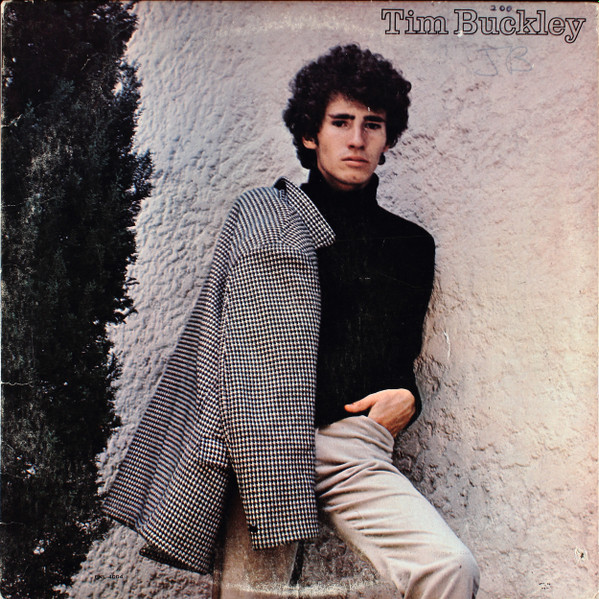
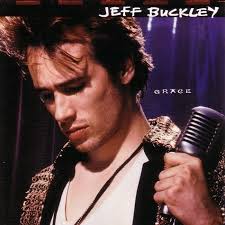
Episode 649 is TIM BUCKLEY and JEFF BUCKLEY. Tim is an acquired taste, and he hasn’t acquired mine. His five-octave voice is impressive, but I’ve never warmed to the crooning way he employed it. It often feels discordant to the music underneath, even as he varies his style from folk to avant-garde to pop. I appreciate the experimentalism of Starsailor, which has become a cult classic. It may seem odd to append Jeff here, as he was never part of his father’s life, but it’s the only way I could review him as he had only one studio album, Grace, but what a fine album that is. His “Hallelujah” is among the best covers that surpasses the original. Jeff inherited his father’s many-octave voice, but uses it more pleasantly.

Favorite Tim album: Tim Buckley

Favorite Tim song: Pleasant Street

Favorite Jeff song: Hallelujah

Compared to expectations: Tim ↓, Jeff same

Recommendation: You should know Jeff’s Grace. Try Tim’s more conventional eponymous album or Goodbye and Hello, or the weird Starsailor, to see if it fits your taste.

633. Elliott Carter

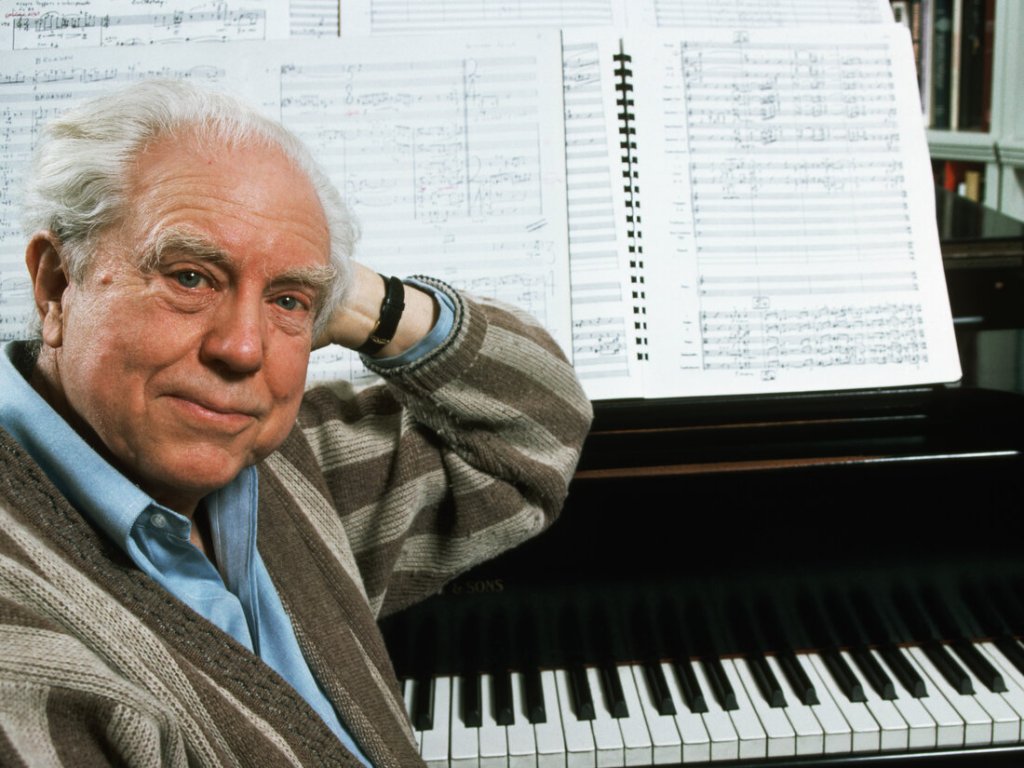
(February 2025) Episode 633 is ELLIOTT CARTER, one of the most notable American composers of the late 20th century. His early works are neoclassical but evolved to modern and “ultra-modern” styles, and he became known for his rhythmic complexity. He used conventional formats and did not go experimental (such as to electronic or mixed media), but it is still challenging to the ear. I really like his stuff. His legacy is enhanced by his longevity; he composed some 20 pieces after he turned 100 years of age. It’s a shame he is not better known compared with other American composers (looking at you Gershwin).

Favorite piece: Symphonia: sum fluxae pretium spei

Favorite chamber piece: String Quartet No. 3

Compared to expectations: ↑

Recommendation: Try my favorite pieces and if you like, move into the symphonies, concertante and chamber pieces.

Composer Elliott Carter at the piano in 1989.

612. Throbbing Gristle

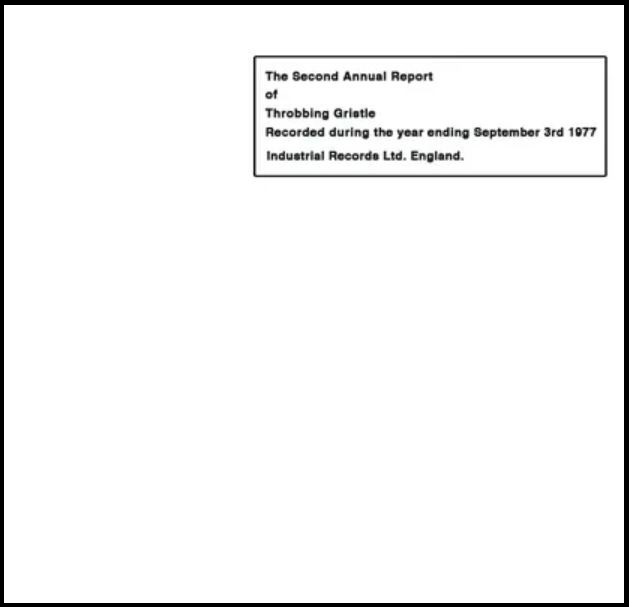
(November 2024) Episode 612 of the “opus project” is THROBBING GRISTLE, considered pioneers of industrial music. A performance art group intent on antagonizing and subverting, Throbbing Gristle thrusts an array of mechanical and electronic sounds at you. It’s not unstructured but is certainly unconventional, and the rhythmic elements keep it from sounding like chaotic noise-making. The vocals, when deployed, are transgressive and dark. Their most accessible (and acclaimed) album, the sarcastically-named 20 Jazz Funk Greats, fits well in the post-punk of the year of its release (1979), bridging the Krautrock and synth-pop eras. But it’s an outlier in contrast to their general anti-musical approach.

Favourite album: The Second Annual Report

Favourite song: Very Friendly

Compared to expectations: same ↑

Recommendation: As if you couldn’t tell, this is not for everyone. Start with 20 Jazz Funk Greats, although I tend to favor the raw rusting factory material.

596. John Oswald

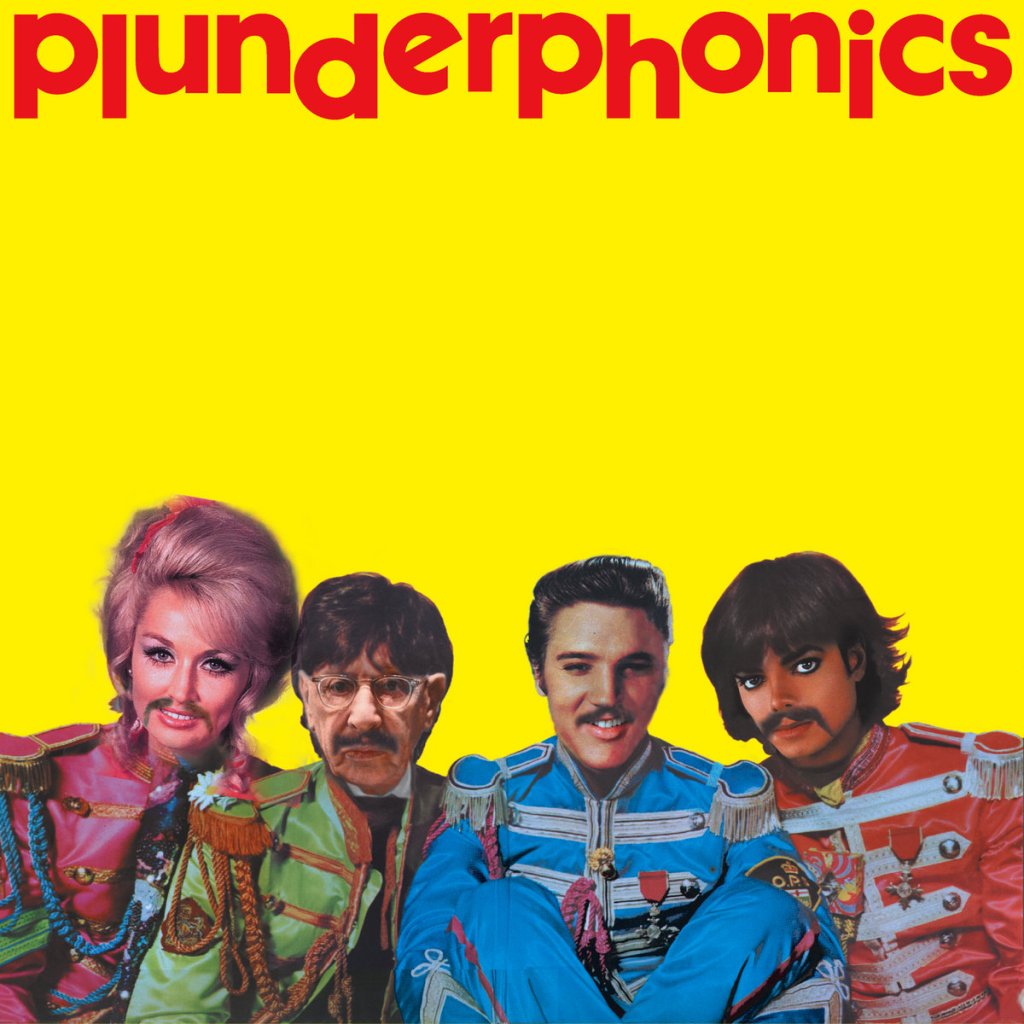
(August 2024) Episode 596 is JOHN OSWALD. A Canadian avant-garde composer, he is best known for Plunderphonics, a masterwork of tape editing and sound collage. While sampling existed before and would become standard as an additive within hip hop and other genres, Plunderphonics elevates sampling to the entirety of the art form. It was a sort of Bible to me, as Plunderphonics landed at a time when I was doing my own experiments with mashups on tape. Another notable work is Greyfolded, a collage made from more than 100 recordings of the Grateful Dead’s “Dark Star” over decades. Oswald’s work extends to instrumental avant-garde experimentalism, scores for dance, and other stuff.

Favorite album: Plunderphonics

Favorite song: Power

Favorite non-sample piece: Aparanthesi

Compared to expectations: same

Recommendation: Plunderphonics is essential; or try its extended compilation Plunderphonics 69/96.

565. AMM

(April 2024) Episode 565 is AMM. This was a UK-based free improvisation group, active for 5+ decades. Their performances were intentionally devoid of form and structure, just letting the sounds of their percussion, saxophone, guitar, piano, string, and whatever else was lying around guide them where they may. This is extremely opposite of popular music and is generally only appreciated by a select avant-garde crowd. However, I did find a use if not an allure as a background sound while I worked or puttered around. It is distinctly not New Age but in this sense it can fill a role as ambient music. 

Favourite recording: The Crypt

Compared to expectations: ↑

Recommendation: This is very niche and likely not for you. But if you’re experimental try it in the background.

521. Gloria Coates

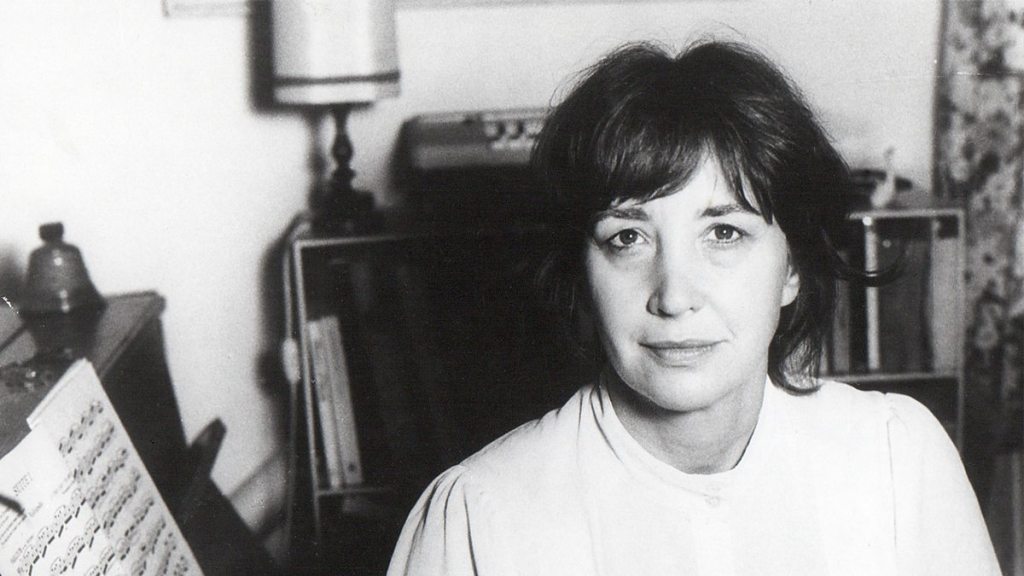
(September 2023) Episode 521 is GLORIA COATES, begun after her recent passing.  She was an American composer who spend most of her professional years in Germany who, when not composing, worked to bring American classical music to Germany. Her compositions are definitely avant-garde. She is known for her abundant portfolio of symphonies and chamber pieces. Her signature sound is strings gliding up and down the neck (glissando), creating a continuous microtonalism. This creates a dark and disturbing tone and while not intended as such, it would not be out of place in a horror film. This is why I like it!

Favorite piece: Symphony No. 9 “Homage to Van Gogh”

Favorite chamber piece: String Quartet No. 5

Favorite solo piece: Sonata for Violin

Compared to expectations: ↑

Recommendation: It is not easy listening music, but is interesting for its unique characteristics

520. The Silver Apples

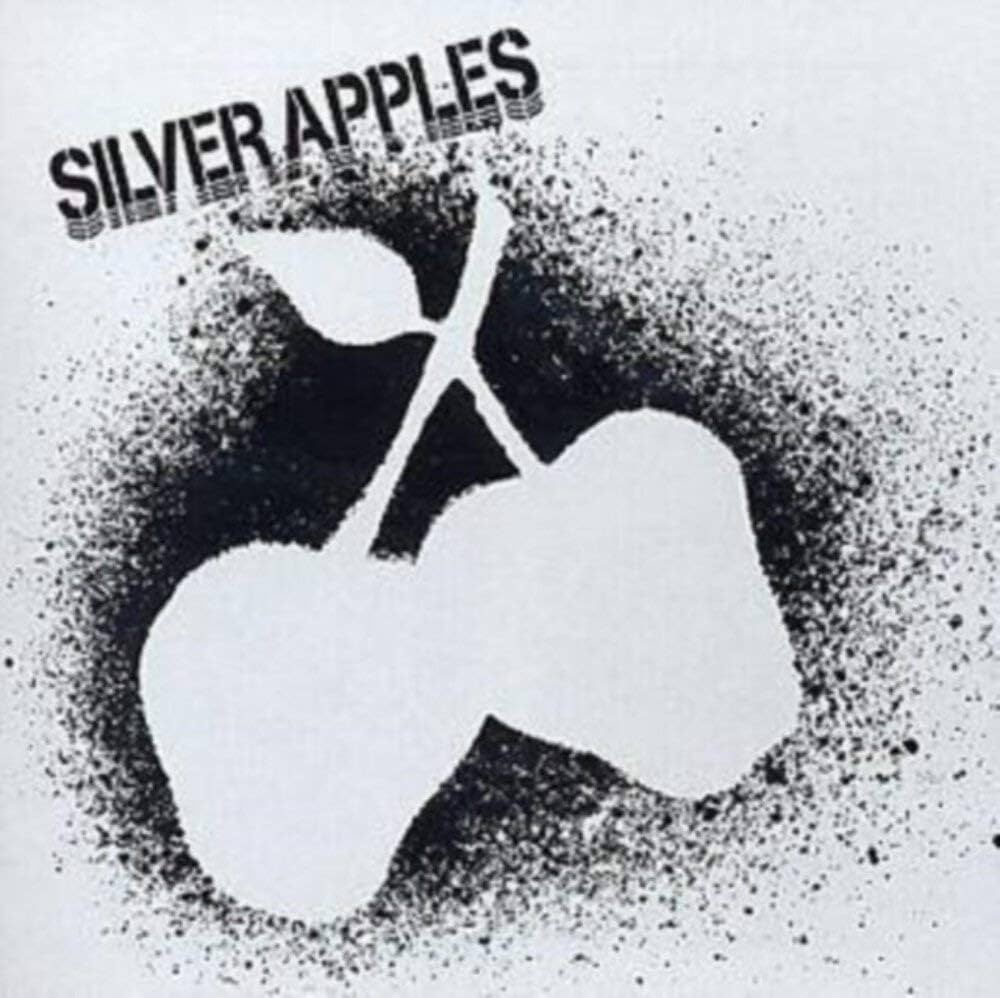
(September 2023) Episode 520 of the “opus project” is THE SILVER APPLES. This duo is known for being one of the first groups to use electronically-generated sound (via a home-made proto-synthesizer) as the basis for pop/rock songs, through a couple of obscure late 1960s albums that were later seen as influential in the development of electronic and synth music.  “Pop/rock,” however, is misleading as the songs are unconventional, even avant-garde, with surreal lyrics. They reunited in the 1990s for a reissue and some new, similarly eclectic, recordings.  This music is unique.

Favorite album: The Silver Apples

Favorite song: Oscillations

Compared to expectations: ↓

Recommendation: Mostly of historical interest I think, although those who appreciate enigmatic music may want to check it out.