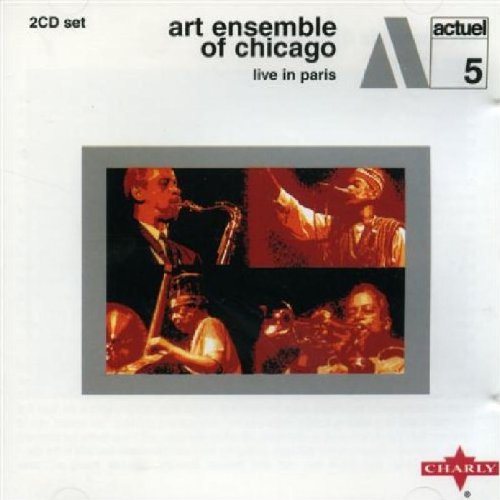
320. Art Ensemble of Chicago

(March 2021) Episode 320 is ART ENSEMBLE OF CHICAGO. Avant-garde jazz at its most avant-gardy.  Prolific free jazz with a whole mix of styles and too-many-to-count instruments and noise makers.  Apparently their stage performances were pretty wild.

Favorite album: Live in Paris

Favorite song: Theme de Yoyo

Compared to expectations: same

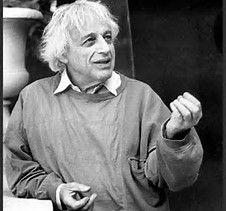
317. Györgi Ligeti

(February 2021) Episode 317 is GYÖRGY LIGETI. You will recognize him from the monolith music in 2001: A Space Odyssey, excerpted from his innovative choral works composed in a technique he called micropolyphony, which characterized his late 1960s focus.  But his breadth extended to electronic, chamber, orchestral and piano, making him one of the most influential and one of my favorite avant-garde composers of the second half of the 20th century.

Favorite piece: Chamber Concerto for 13 instrumentalists

Favorite choral work: Requiem

Favorite orchestral piece: Ramifications

Favorite chamber piece: String Quarter #2

Favorite keyboard piece: Hungarian Rock (Chaconne)

Compared to expectations: ↑

313. La Monte Young

Episode 313 is LA MONTE YOUNG.  Inspired by Cage, he set out to question the definition and nature of music: one work is just pushing a piano against a wall. He deeply explored sustained tones — what was later dubbed drone music — which made him a pioneer in minimalism. Young also composed in just intonation, collaborated with Indian classical musicians, and did all sorts of avant-garde stuff with his Theater of Eternal Music and elsewhere.  

Favorite piece: Just Charles & Cello in The Romantic Chord

Compared to expectations: same

307. Harold Budd

(January 2021) Episode 307 of the “opus project” is HAROLD BUDD. Another episode I started following the artist’s passing. Following early years exploring musical styles, he settled on the art of sound textures (principally on piano) and became a prolific master. The term “ambient” is most apt (although he disliked it), but don’t be fooled into thinking this is cloying New Age drivel.  The compositions are as cerebral and intentional as they are ethereal and unworldly.  Much of his releases are collaborations, such as with Brian Eno and Robin Guthrie.

Favorite album: The Pearl (with Brian Eno)

Favorite album (solo): The White Arcades

Compared to expectations: same

297. Jon Gibson

(November 2020) Episode 297 of the “opus project” is JON GIBSON, begun after his passing last month.  A woodwind player and founding member of the Philip Glass Ensemble, he was at the center of the minimalist movement, and I mean literally: Gibson played the premieres of Riley’s “In C,” Reich’s “Drumming” and “Reed Phase,” and Glass’s “Music in 12 Parts.”  But he also composed fine minimalist/avant-garde pieces of his own, which is what is covered in this episode.

Favorite album: Two Solo Pieces

Favorite “song:” Relative Calm: I. “Rise”

Compared to expectations: same

290. Alban Berg

(October 2020) Episode 290 is ALBAN BERG. He is one of the important composers of one of my favorite periods (early 20th Century modernism/avant-garde), although his body of work is not large. His compositions tend to have a more Romantic aesthetic than others of the time, such as his mentor Schoenberg. 

Favorite piece: Violin Concerto

Favorite piano piece: Piano Sonata

Compared to expectations: same

280. Os Mutantes

(August 2020) Episode 280 is OS MUTANTES. What do you get when you combine psychedelic rock, weirdness and Brazilian rhythms? Pure awesomeness. Added bonus: they used their music to subvert the Brazilian military dictatorship.  I’ve known them for a couple decades, but this review confirms them as one of my favorite bands of the 1960s. Amidst lineup changes, they did a couple of prog albums  (not bad) in the 1970s and a couple reunion recordings (just ok) in recent years. 

Favorite album: Os Mutantes

Favorite song: A Minha Menina

Compared to expectations: ↑

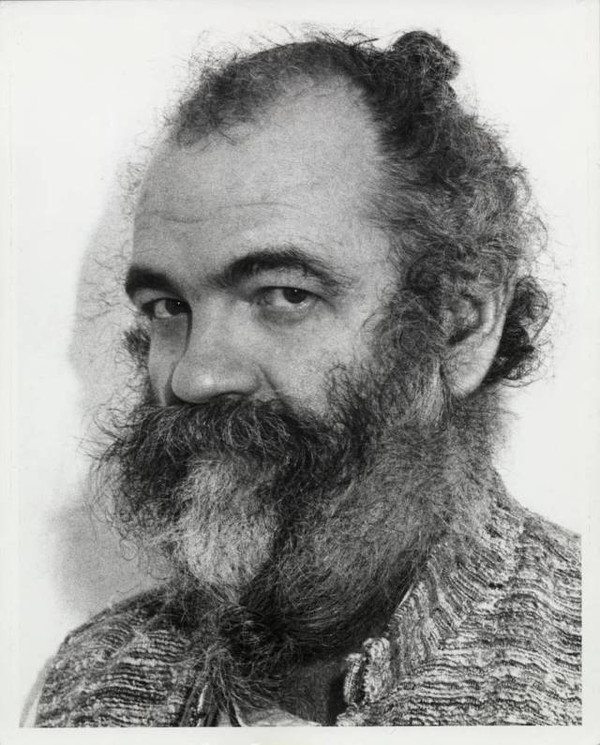
254. Karlheinz Stockhausen

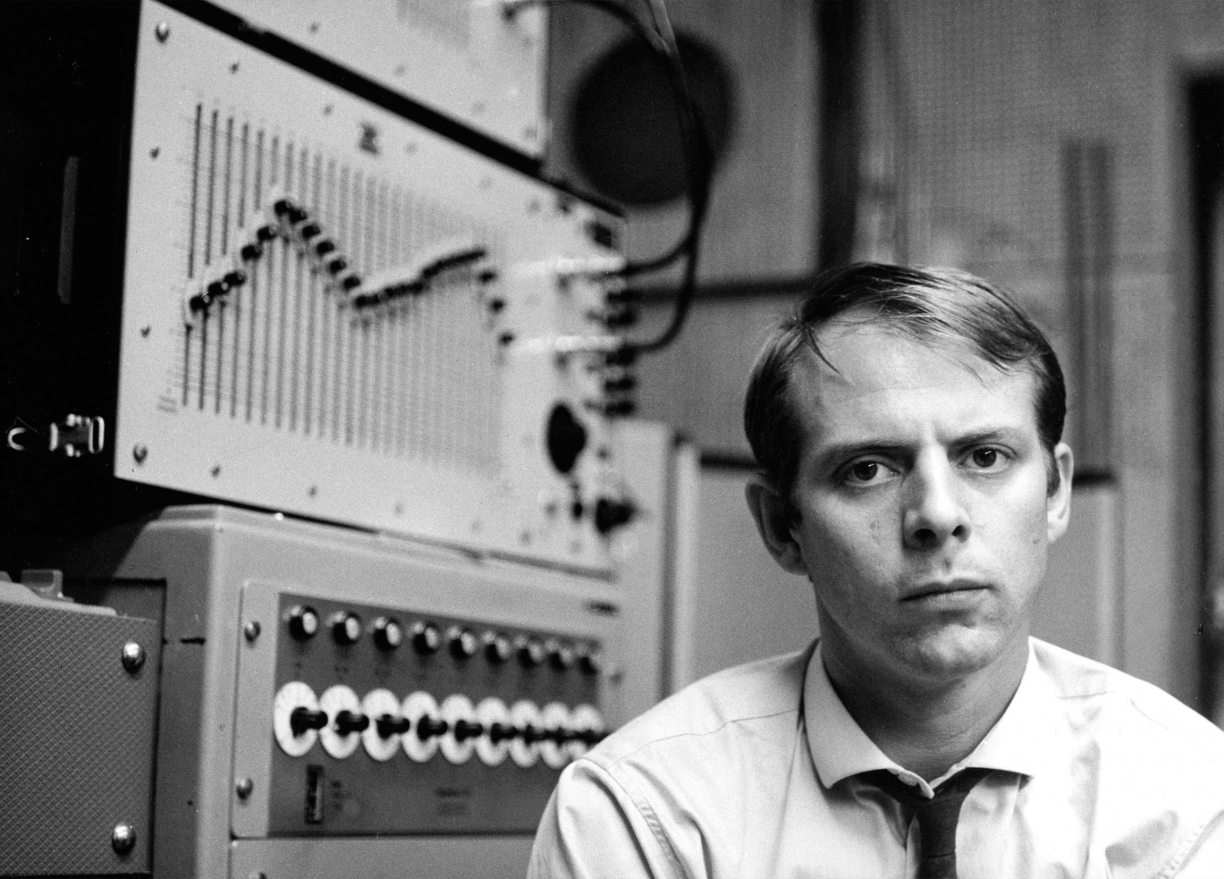
(February 2020) Episode 254 is KARLHEINZ STOCKHAUSEN.  You won’t hear his music at dinner parties, but he’s one of the most important composers and musical theorists of the late 20th century. There is a lot to absorb here: integration of electronic composition, theatricality, mystical themes, and that’s not even counting his theoretical writings.  I was particularly impressed by the ambition of his cycles: “Licht (Light),” cosmic operas on the days of the week, and “Klang (Sound),” expressing a color for each hour of the day.  If I ever have time, I might like to devote myself to a deep study of 20th century musical theory.

Favorite piece: Mittwochs Gruss(“overture” from Wednesday from Light)

Favorite opera: Freitag aus Licht (Friday from Light)

Favorite chamber piece: Adieu

Favorite choral piece: Unsichtbare Chöre

Compared to expectations: same

StockhausenKH-Foto-WDR1


246. Bonzo Dog Doo-Dah Band + The Rutles

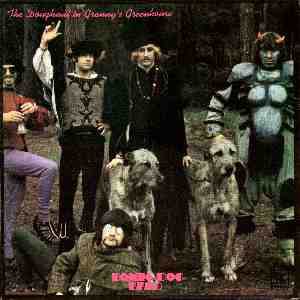
(January 2020) Episode 246 is the BONZO DOG DOO-DAH BAND and THE RUTLES. I started this episode, and did these together, following the death of Neil Innes.  The Bonzos were an oddball comedy outfit.  The humor is mostly too old or too British (or both) for my comprehension, and so they’re mostly a historical curiosity.  The Rutles, however, are timeless as the best-ever send-up of The Beatles. Their soundtrack album remains classic, and the follow-up is pretty good too.

Favourite Bonzos album: The Doughnut in Granny’s Greenhouse

Favourite Bonzos song: The Intro and the Outro*

Favourite Rutles album: The Rutles

Favourite Rutles song: Doubleback Alley

Compared to expectations: same
Bonzo_Doughnut_UKRutlesCD.jpg

* Mike Oldfield fancied the “master of ceremonies” format so he used it on Tubular Bells, with the Bonzos’ Viv Standshall also performing the role there