693. Sonny Boy Williamson II

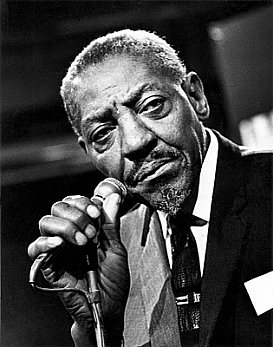
(November 2025) Episode 693 of the “opus project” is SONNY BOY WILLIAMSON II, a harmonica-playing blues musician in the Chicago Blues mode whose career included playing with both Robert Johnson and Jimmy Page. Born as Alex Ford but at the urging of his sponsor he performed under the name of an older bluesman Sonny Boy Williamson and (perjuriously IMO) kept it, so is thus identified in the literature as SBW II. Based on his recordings in the 1950s-60s, this is what many people will hear as standard blues, historicism aside. He toured Europe several times, helping popularize the genre there.

Favorite album: The Real Folk Blues

Favorite song: Bring It On Home

Compared to expectations: same

Recommendation: The Essential Sonny Boy Williamson is a good two-disc compilation.
674. Odetta

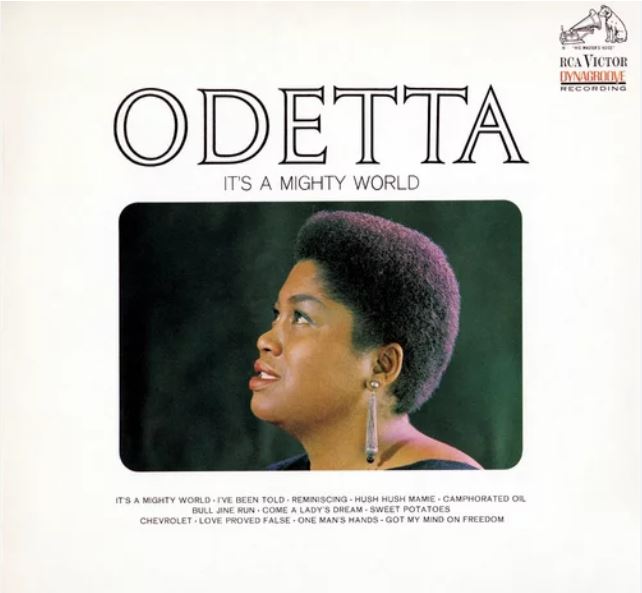
(September 2025) Episode 674 is ODETTA. She was an influential figure in the American folk revival in the 1950s and 1960s. Her biographies are full of famous names crediting her as an inspiration. She also contributed her voice and music to the civil rights movement. Odetta’s voice is distinctive for being deeper and lower in the register than similar singers, especially early in her career. While the bulk of the songs are folk, her music did touch on blues, jazz and spirituals.

Favorite song: It’s a Mighty World

Favorite song: Deportee

Compared to expectations: same

Recommendation: The albums from 1962’s Odetta and the Blues and 1965’s Odetta Signs Dylan are her best work.

671. Sonny Boy Williamson

(August 2025) Episode 671 is SONNY BOY WILLIAMSON. This is John Lee Curtis Williamson, now known to historians as Sonny Boy Williamson I to distinguish from a contemporary who used the same name.  He’s known for popularizing the harmonica (blues harp) as an essential blues instrument. His recording career in the 1930s and 40s was relatively short due to his murder at a young age. But it’s a solid collection of Chicago-style blues punctuated by his harmonica skills.

Favorite song: Good Morning Little School Girl

Compared to expectations: same

Recommendation: A classic acoustic blues sound.

661. Elmore James

(July 2025) Episode 661 is ELMORE JAMES. A blues legend known as “King of the Slide Guitar” and for loud amplification of his guitar. Traveling a well-worn blues trail from Mississippi to Chicago, his recordings were in the 1950s and early 1960s. If not for his early death in 1963, one figures his fame would have exploded in the 1960s blues revival.

Favorite song: Dust My Broom

Compared to expectations: same

Recommendation: Whose Muddy Shoes and Blues After Hours are good compilations of his songs.

657: Etta James

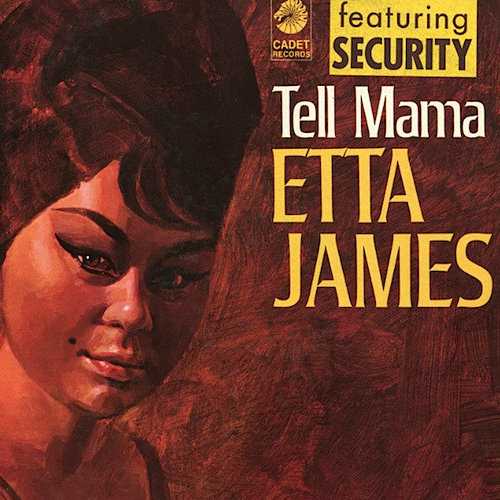
(June 2025) Episode 657 is ETTA JAMES. One of my favorite voices. Powerful but not overpowering. Gentle, but sometimes coarse and bluesy. She recorded across a range on genres: R&B, gospel, jazz, pop standards, blues, soul. Her best stuff was in the 1960s, starting with trad pop and moving to soul. Substance abuse and financial difficulties affected her career, although she did have some good funky numbers in the 1970s. A comeback in the late 80s finally earned her emerita status and many late-career albums, although they lacked in originality.

Favorite album: Tell Mama

Favorite song: I’d Rather Go Blind

Compared to expectations: same

Recommendation: Etta James Top Ten compiles her early silky songs; the 1965-68 trio of Queen of Soul, Call My Name and Tell Mama are her best.

644. Lightnin’ Hopkins

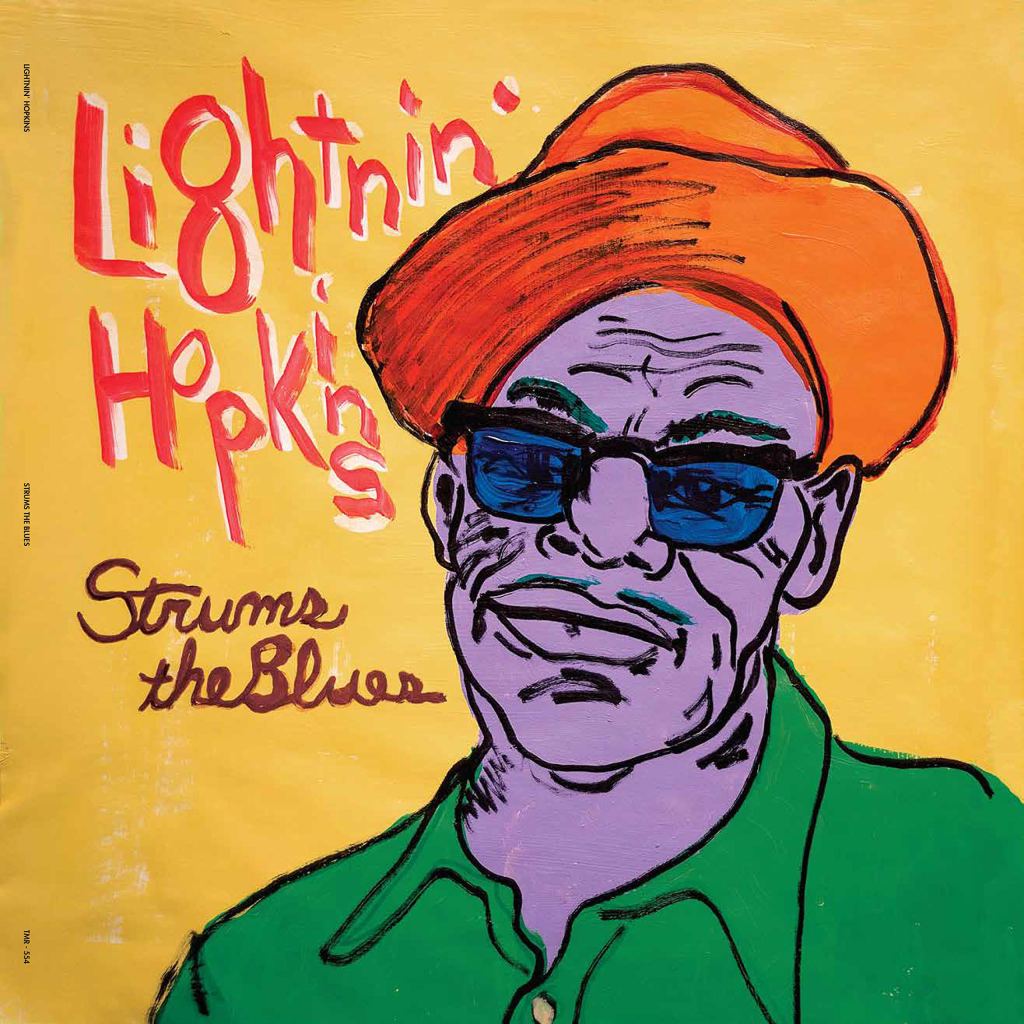
(April 2025) Episode 644 is LIGHTNIN’ HOPKINS, Texas bluesman with a career that spanned from the 1920s to 1980s. Despite all the changes in the blues genre over that time, Hopkins remained consistent and loyal to his sound: just his guitar (acoustic or electric) and his earthy voice. I enjoy this style of stripped-down blues, but after dozens of albums, it can get repetitive.

Favorite album: Strums the Blues

Favorite song: Devil Is Watching You

Favorite instrumental song: Hopkins’ Sky Hop (inspiration for Stevie Ray Vaughn’s ‘Rude Mood’)

Compared to expectations: same

Recommendation: I prefer the early recording compilations from the 1940s-50s, but the consistency in his output means you can jump in most anywhere.

Version 1.0.0

637. Billie Holiday

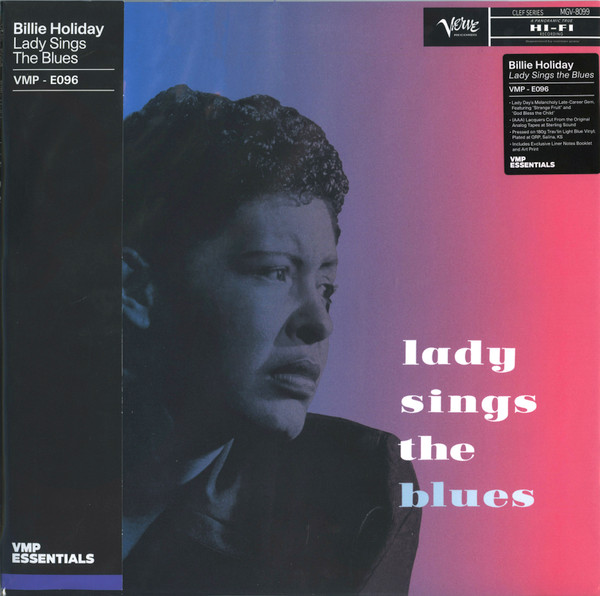
(March 2025) Episode 637 is BILLIE HOLIDAY. One of the most distinctive American voices. She widened the aperture of jazz with the instrumentality of her voice (from horn players she admired like Louis Armstrong) and bringing in lived experience to her songs (from blues singers she admired like Bessie Smith) (also maybe why I liked her “Strange Fruit”). Personally, this style of jazz isn’t my cup of tea, but her signature voice sells it.

Favorite album: Lady Sings the Blues

Favorite song: Strange Fruit

Compared to expectations: same

Recommendation: The mid-50s recordings on Verve and Clef

626. Son House

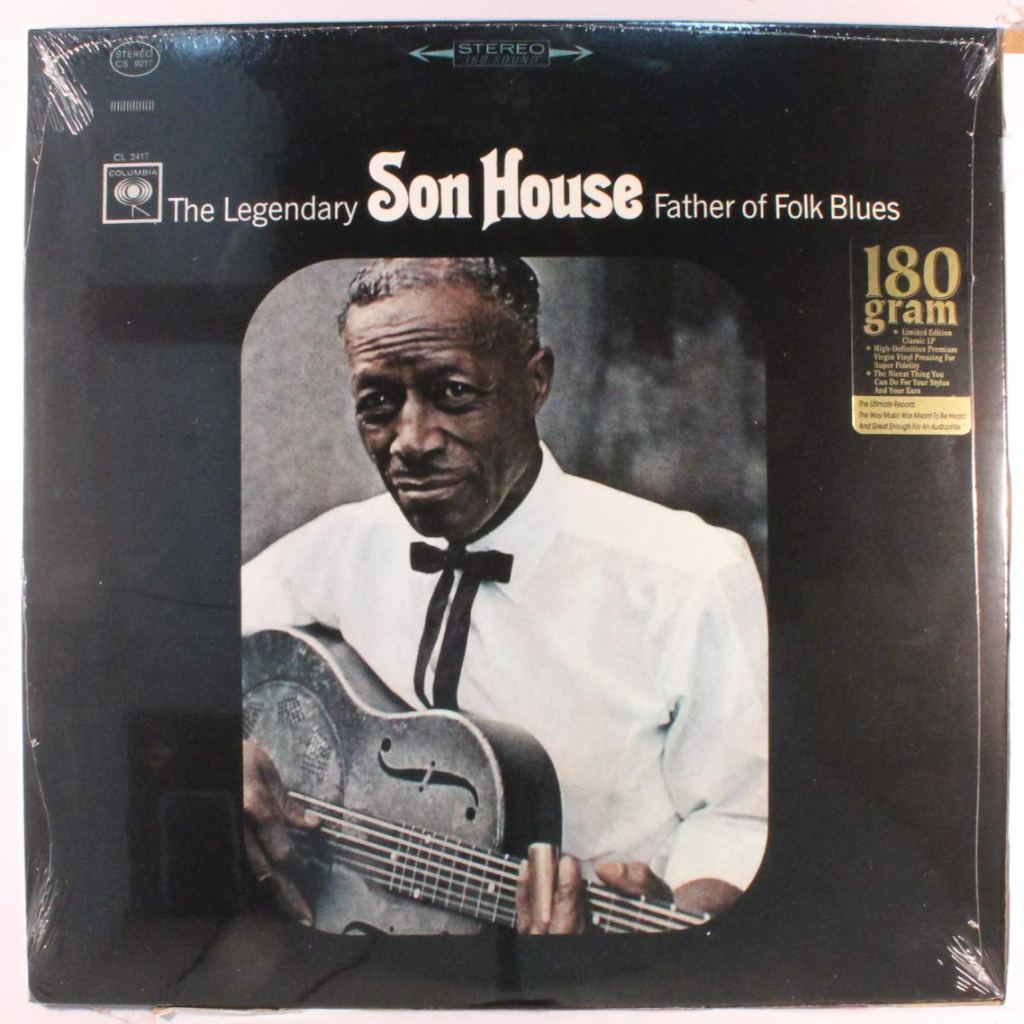
(January 2025) Episode 626 is SON HOUSE. Mississippi blues legend and contemporary of Charley Patton and Robert Johnson. His music is marked by an emotional voice and slashing guitar style, often in slide. He did a number of recordings in the 1930s and early 1940s, including for the Library of Congress, then retiring and returning to performance in the 1960s when “rediscovered” in the blues revival – a path similar to others. The quality of the early recordings seems better than those by many contemporaries.

Favorite album: The Legendary Son House: Father of Folk Blues

Favorite song: Death Letter Blues

Compared to expectations: same

Recommendation: You can’t go wrong with any of it. The album above is a good mix of early/later recordings. The Library of Congress sessions disc is also good.

Version 1.0.0

617. Dave Van Ronk

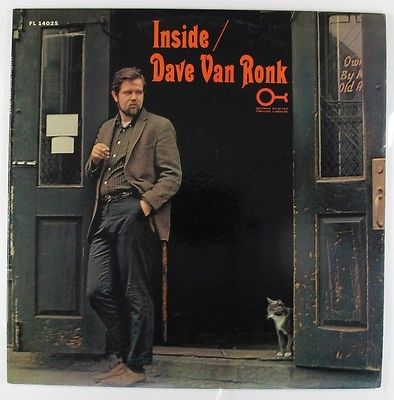
(November 2024) Episode 617 is DAVE VAN RONK. There’s a frustratingly large gap between his music and influence and the public awareness of him, which included me until recently. Nicknamed the “Mayor of MacDougal Street” for his presence on the Greenwich Village folk scene in the 50s and 60s, where he mentored and befriended some who achieved greater fame, like Bob Dylan and Joni Mitchell. He was a force of nature with his loud, gruff voice, but he could also make it soft and tender, giving an emotional depth to his songs. His style included blues, ragtime, trad jazz, standards and children’s music. But it’s the spare folk songs, especially with his excellent finger-picking style, where Van Ronk excels. While his focus was on interpreting traditional and others’ songs, he was a talented writer of tune and lyric, as shown on Going Back to Brooklyn, his only album of all original compositions.

Favorite album: Inside Dave Van Ronk

Favorite song: Another Time and Place

Compared to expectations: same

Recommendation: Dave Van Ronk, Folksinger; Just Dave Van Ronk; Inside Dave Van Ronk and Going Back to Brookyln showcase his solo guitar folk songs. Dave Van Ronk and the Ragtime Jug Stompers and Dave Van Ronk and the Hudson Stompers are good ensemble albums.

615. Big Joe Turner

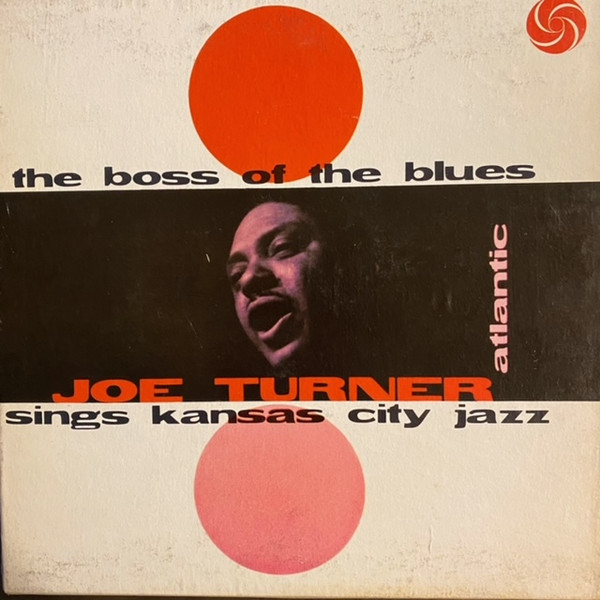
(November 2024) Episode 615 is BIG JOE TURNER. Known as a blues shouter, a performer whose booming voice was needed to be heard above the band. Turner’s voice was as big as his girth. His music, a mix of swing, jump blues and R&B, was extremely influential in the development of rock-n-roll. The best example is his landmark “Shake, Rattle & Roll.” Turner’s top period was in the late 40s and early 50s, but he kept making recordings through the 60s, 70s and early 80s, including jazz and electric blues. I admire his music for its influential role, but for me the style gets the formulaic and tends to bore me.

Favorite album: The Boss of the Blues

Favorite song: Roll ‘Em Pete

Compared to expectations: ↓

Recommendation: A compendium of late 40s-early 50s songs will do.