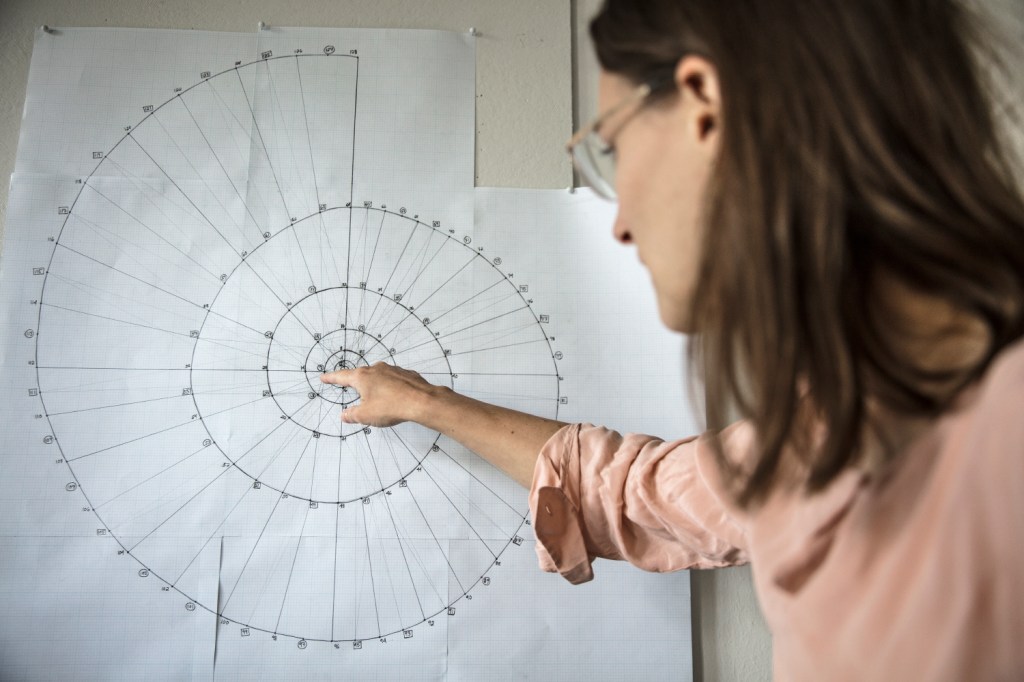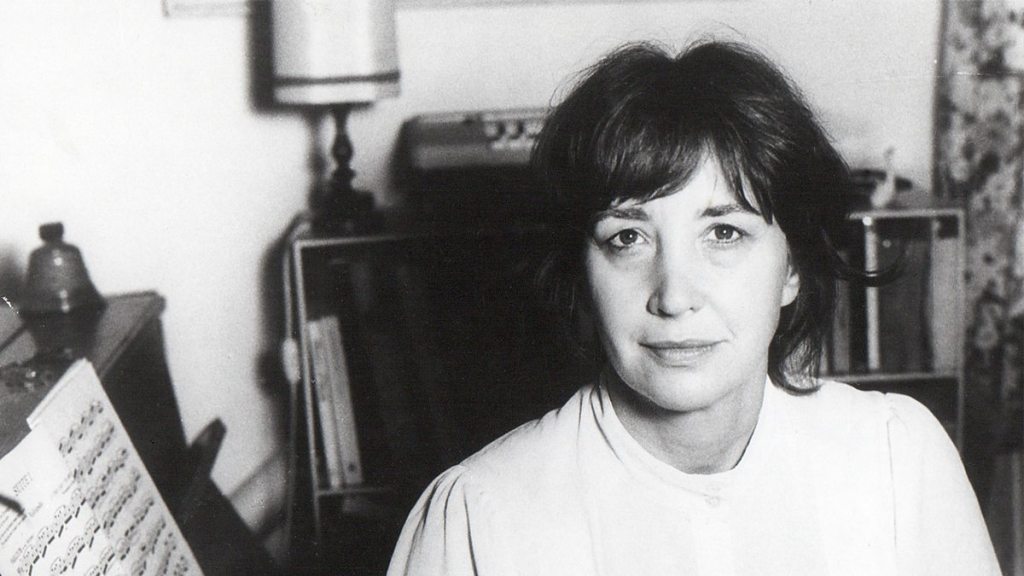
(May 2024) Episode 570 is CATHERINE LAMB, a contemporary composer of sound. Her compositions explore the harmonic spaces between conventional notes, liminal tones and textures, aural shapes. Her sheet music consists not of standard notes but of geometric shapes, not unlike those of George Crumb. It sounds like liquid mathematics, and I marvel at the vision inside Lamb’s mind. I find this music mesmerizing and fascinating.
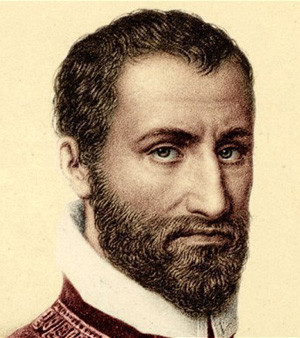
(April 2024) Episode 557 is GIOVANNI PIERLUIGI DA PALESTRINA, one of the most acclaimed composers of the 16th century (and one of the few I’ve ever heard of). He is also the second oldest composer in the project. Not surprisingly, almost all of his hundreds of compositions are religious, and he is most famous for his 100+ masses (this was a looooong episode). Regardless of whether the message speaks to you, this is beautiful polyphonic music that should stir any soul. There are several ways his compositional style influenced those that followed, include Bach more than a century later, but I’m too much of a dummy to understand how. I just like the angelic voices.
(January 2024) Episode 545 of the “opus project” is MICHAEL ABELS, a contemporary classical composer. Popular awareness found him when he wrote the nerve-inducing soundtracks to the three Jordan Peele films, Get Out, Us and Nope. That launched a steady stream of soundtrack work, some of which incorporates hip-hop elements. Long before that, Abels was composing orchestral, chamber and concert pieces. There’s a lot of variety in styles across his pieces and it would be hard to guess they all came from the same person.
Favorite piece Urban Legends (chamber backed by orchestra)
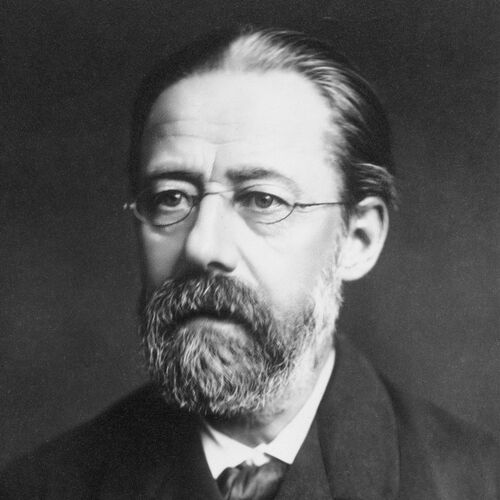
(January 2023) Episode 543 is BEDŘICH SMETANA. I began this episode when I was in the Czech Republic, where he is one of their national musical heroes. He lived and composed in the mid-19th century at a time of national awakening. Harvesting local folk themes, Smetana’s music became both an expression of and inspiration for Czech (Bohemian) nationalism within the Austro-Hungarian Empire. His compositions had a balanced range from opera to orchestral to chamber to piano. They are firmly in the Romantic style which, to be honest, I am finding rather tedious as I slog through this project. He may be the last Romantic composer I get to for a long while.
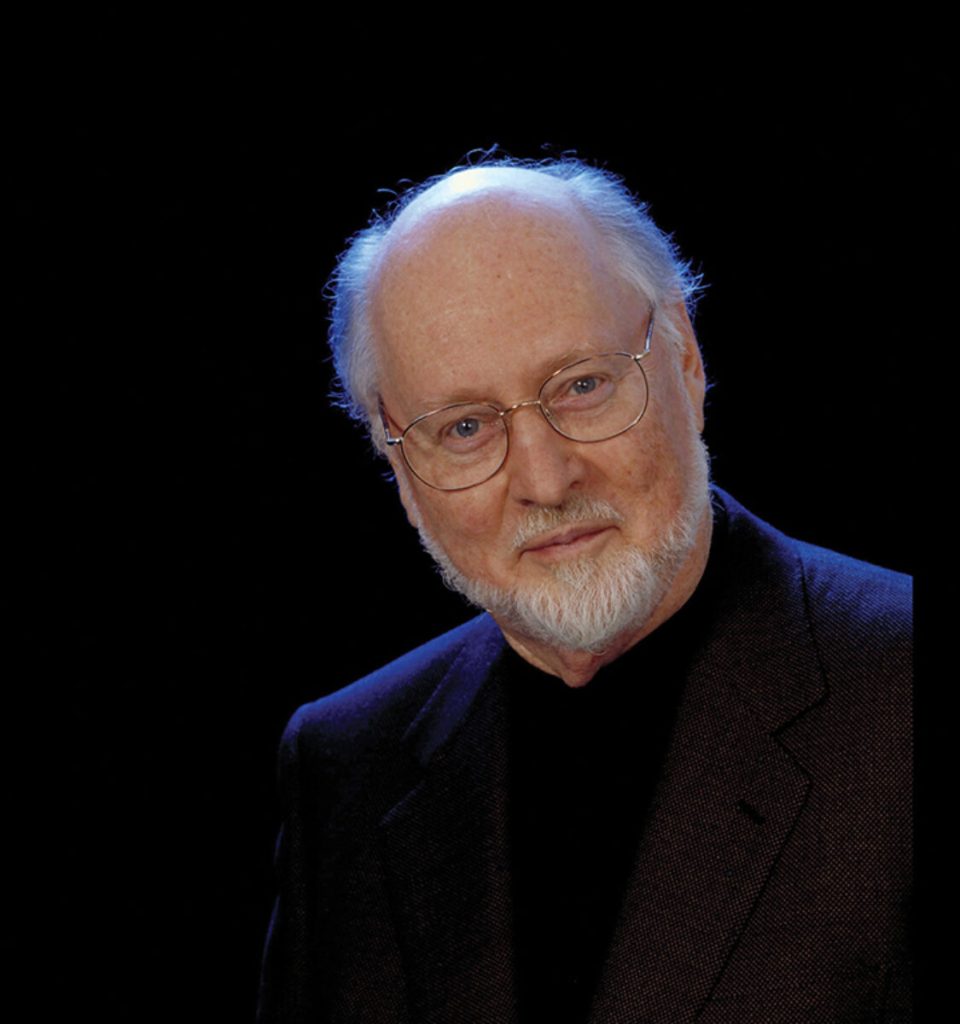
(December 2023) Episode 536 is JOHN WILLIAMS. I am extremely confident in saying that more people have heard the music of John Williams than any other composer since music was invented. Think about it. He wrote the scores to some of the most popular movies of all time, with global reach (Star Wars trilogies, Indiana Jones films, E.T. Jaws, some Jurassic Parks and Harry Potters). Plus, he wrote the themes to NBC’s Nightly News, The Today Show,Meet the Press and Sunday Night Football, heard by millions of Americans every week. Add to that the themes for Olympics and major civic events. Williams got his start playing jazz piano and made some recordings before getting into the theme music business on TV and then later movies. In addition to conducting the Boston Pops, he penned several of his own orchestral pieces that are quite good and more musically ambitious than his scores for general audiences. This was a very long episode: he has 366 soundtrack albums to his name, not to mention all the rest. His amazing prolificacy remains strong after seven decades, composing the score to the recent Indiana Jones film at age 90.
(September 2023) Episode 521 is GLORIA COATES, begun after her recent passing. She was an American composer who spend most of her professional years in Germany who, when not composing, worked to bring American classical music to Germany. Her compositions are definitely avant-garde. She is known for her abundant portfolio of symphonies and chamber pieces. Her signature sound is strings gliding up and down the neck (glissando), creating a continuous microtonalism. This creates a dark and disturbing tone and while not intended as such, it would not be out of place in a horror film. This is why I like it!
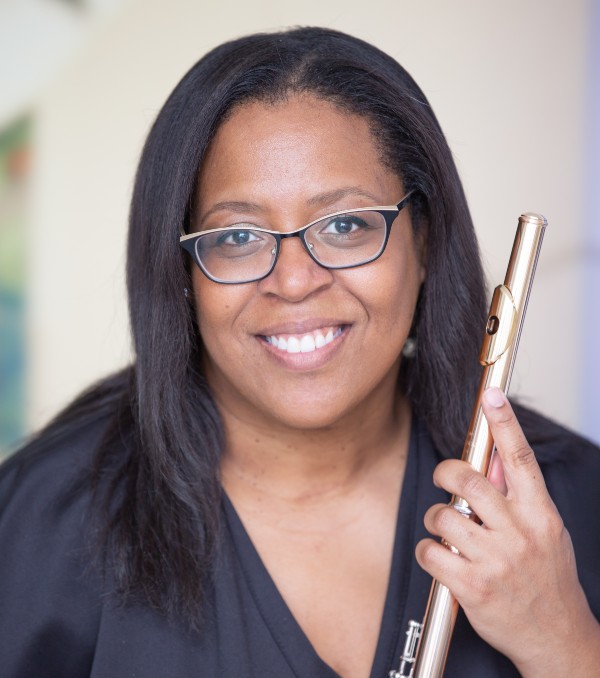
(August 2023) Episode 518 is VALERIE COLEMAN, a contemporary composer and flutist who cofounded the wind quartet Imani Winds. Not surprisingly, many of her compositions, whether solo, duo or group, feature the flute. She has also penned works for strings for orchestra and chamber. Consistent with the voice of a flute, her works are generally lively and breezy, in contrast to the disquieted ambience I often hear from contemporaries I’ve reviewed.
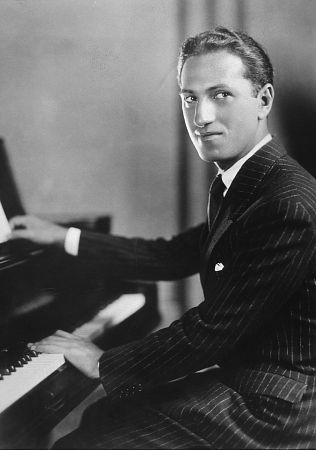
(August 2023) Episode 515 is GEORGE GERSHWIN. If America had a soundtrack, Gershwin’s “Rhapsody in Blue” and “Porgy and Bess” would surely be on it. He bridged classical and popular music, creating audience favorites played from living rooms to Broadway, movies and concert halls. The music is indelibly evocative of the Art Deco and the Jazz Age. That said, it’s not my favorite. I’m just not into Broadway musicals and related musical forms. So I recognize Gershwin’s artistry but don’t tune into it.
Recommendation: Essential for any understanding of 20th century American music. If you like Broadway you’re probably into Gershwin, even though I’m not.
(July 2023) Episode 512 is TOMASO ALBINONI, a Venetian composer in the Baroque era, a contemporary of Bach and Vivaldi. By background he was more an amateur rather than professional musician, but was a prolific composer of operas, cantatas and chamber pieces (although many have been lost). I like the collections of concerti best. What his works lack in technical complexity they make up for in melodic beauty; Bach composed some works based on Albinoni’s themes.
Favorite piece: Concerto, Opus 6, No. 11 in A Major (I, II, III, IV)
Compared to expectations: same
Recommendation: If you also enjoy Baroque you will like Albinoni. It’s a highly orthodox style, and I admit I’m not expert enough to notice the differences.
(July 2023) Episode 507 is RICHARD STRAUSS. Most know him from the opening to Also sprach Zarathustra used in the film “2001: A Space Odyssey,” one of the many tone poems for which he is known. He lived a long life and his output was so voluminous he was considered a specialist in many forms, from songs to operas. My favorite pieces are his choral works, containing enough dissonance to keep me interested. His style was Romantic, maintained for decades after the style went out of fashion (he died in 1949), although he did incorporate modernist elements.