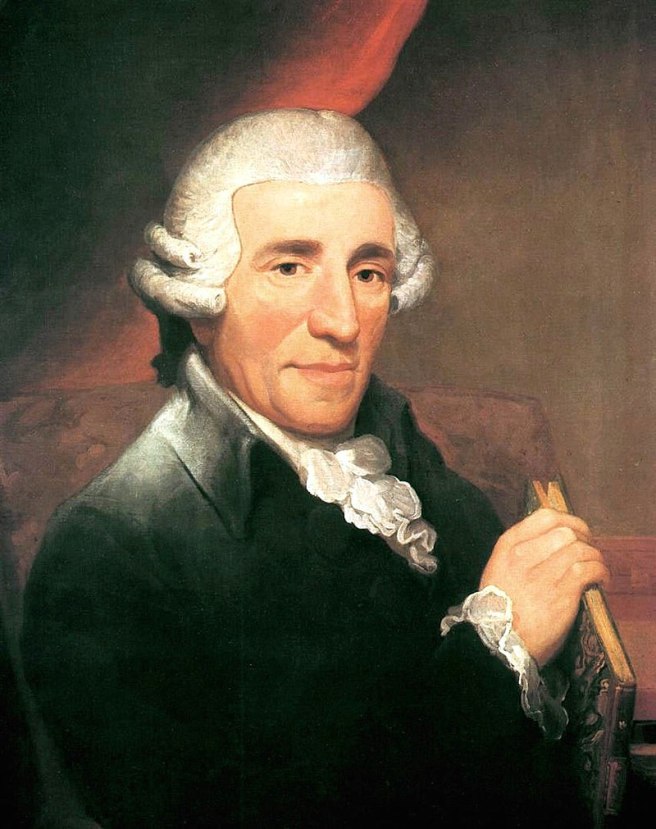
182. Joseph Haydn

I have completed episode 182 of my “opus project.” This edition: JOSEPH HAYDN. The Boss of the Classical Period, known as the father of the symphony and the string quartet. His compositional style was bound by the orthodoxy of the baroque period that preceded him, grounded in the Classical sound and forms he helped create, yet never reached for the adventurism of his pupil Beethoven. He was quite prolific; this was a looooooong episode.

Favorite form: Symphony

Favorite symphony: No. 100 in G major

Favorite concerto: Cello Concerto No. 2 in D

Favorite piano sonata: No. 51 in E Flat Major

Favorite trio: Trio for baryton, viola & cello in A major (XI:71)

Compared to expectations: same
800px-Joseph_Haydn.jpg

172. Edgard Varèse

(June 2018) I have completed episode 172 of my “opus project.” This edition: EDGARD VARÈSE. An avant-garde composer from the first half of the 20th century, his works, unbounded by conventional structure, influenced many threads of that century’s music, including electronic. Any fan of Frank Zappa should get to know his compositions, as Varèse was a major influence on him.

Favorite Piece: Amériques

Favorite electronic piece: Poème électronique

Compared to expectations: same

Edgard_Varese.gif

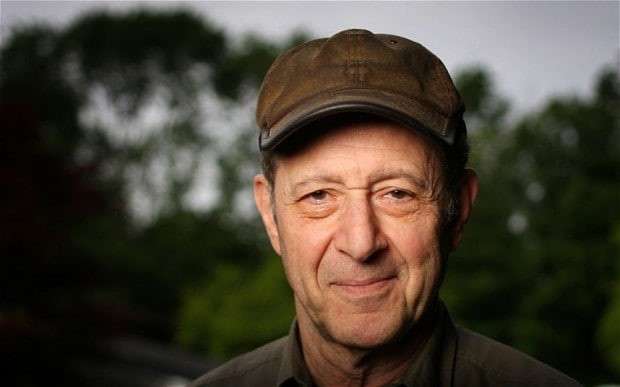
171. Steve Reich

(June 2018) I have completed episode 171 of my “opus project,” in which I listen to the complete works of an artist. This edition: STEVE REICH. As a devotee of minimalist music, of course I am a fan of one of its founding fathers, arguably one of America’s greatest living composers. I especially appreciate Reich’s early experimentation with tape loops and phasing, as they have had such a wide influence across a wide range of musical styles. He has kept innovating with African polyrythms, unique orchestrations, mixed-media operas, religious themes, etc.

Favorite Piece: Music for 18 Musicians

Favorite orchestra-ish piece: The Four Sections

Favorite tape loop: Come Out

Favorite use of amplified noise to explore a concept: Pendulum Music

Compared to expectations: same

steve reich.jpg

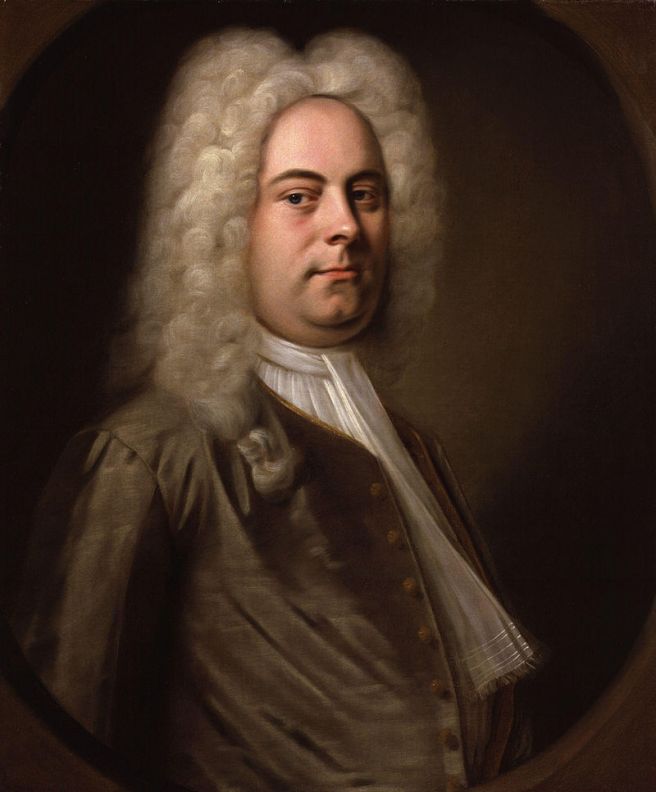
160. George Frideric Handel

(March 2018) I have completed episode 160 of my “opus project,” in which I listen to the complete works of an artist. This edition: GEORGE FRIDERIC HANDEL. I love me some baroque, and I enjoy many Handel works. But this was a tedious effort. So many lengthy operas and oratorios — quite a slog. Prefer the chamber works.

Favorite work: “Water music” suites (HWV 348-350)

Favorite category: violin sonatas

Compared to expectations: same

800px-George_Frideric_Handel_by_Balthasar_Denner.jpg


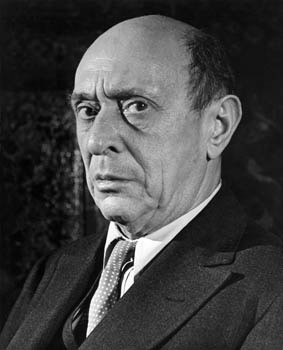
141. Arnold Shoenberg

(October 2017) I have completed episode 141 of my “opus project,” in which I listen to the complete works of an artist. This edition: ARNOLD SHOENBERG. In the first half of the 20th century, he developed new ways of thinking about and composing music — e.g. atonality, twelve-tone technique — that became highly influential and much debated. You won’t hear his work on classical radio stations, but it challenges the ear and mind, which is why I like it.

Favorite work: Serenade (Opus 24)

Favorite opera: Moses und Aron

Compared to expectations: ↑

Schoenberg-Arnold-13.jpg

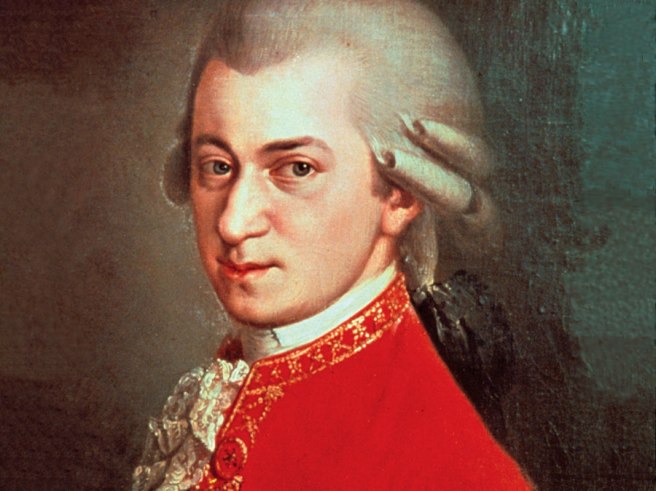
137. Wolfgang Amadeus Mozart

(September 2017) I have completed episode 137 of my “opus project,” in which I listen to the complete works of an artist. This edition: WOLFGANG AMADEUS MOZART. I’ve never been a fan of Mozart.  I’ve found most his works too “nice” — too often lacking edge, angst, turbidity and minor keys. I do recognize his prodigal and prolific genius, for which this effort gave me a greater appreciation, but not enough to make me a fan.  This was a loooong one — more than 600 pieces.

Favorite work and symphony: Symphony No. 40

Favorite symphonic movement: second (Andante cantabile) of Symphony No. 41

Favorite opera: Le nozze di Figaro

Favorite piano concerto: No. 20 (esp. 2nd movement)

Favorite piano sonata: No. 12

Oddest piece: Adagio and Rondo for glass harmonica, flute, oboe, viola and cello (K 617)

Compared to expectations: same
152550-131-ED0EC610.jpg

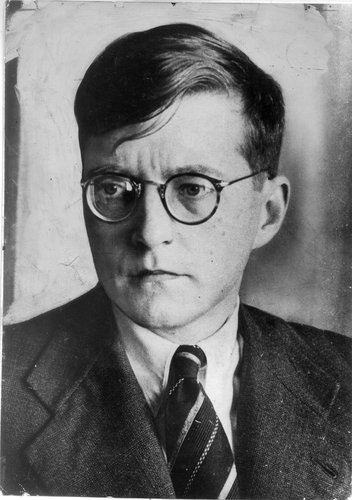
117. Dmitri Shostakovich

(March 2017) I have completed episode 117 of my “opus project,” in which I listen to the complete works of an artist. This edition: DMITRI SHOSTAKOVICH. I’m a big fan of 20th century Russian composers. I especially like his dynamic symphonies and string quartets. I noticed how he modulates between loud and quiet, and tends to finish movements quietly rather than with a classic flourish. It’s amazing to learn how he navigated his artistic expression through war and the Soviet system, suffering two denunciations. His martial works lauding Stalin and the Red Army come off as creepy, but that’s what he had to do to stay alive.

Favorite work: Symphony No. 5

Favorite movement: Largo, 3rd movement of Symphony No. 5

Favorite string quartet: 8th

Favorite opera: The Nose

Favorite overture: Festive Overture

Favorite piano work: Piano Trio No. 2

Compared to expectations: ↑

shostakovich.jpg

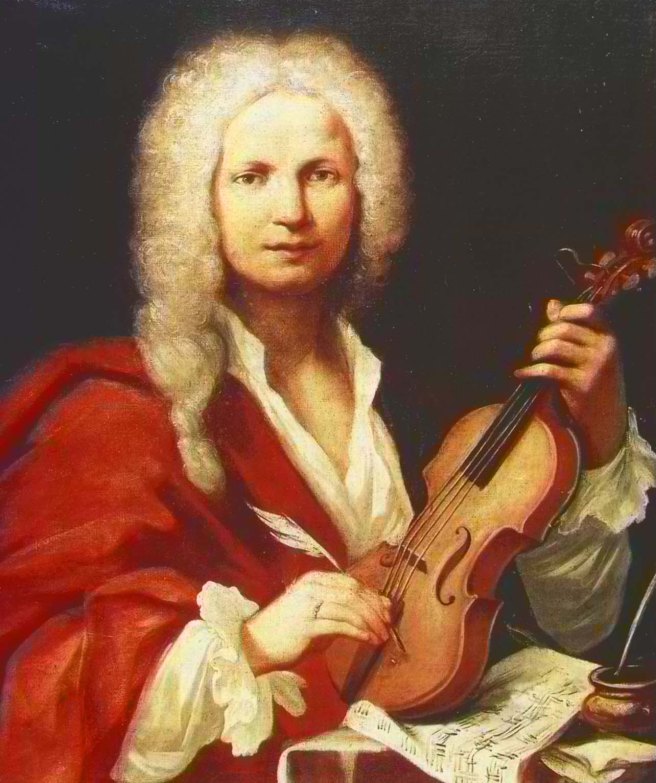
106. Antonio Vivaldi

I have completed episode 106 of my “opus project,” in which I listen to the complete works of an artist. This edition: ANTONIO VIVALDI. Always love me some Baroque! He was a master of the genre (although he lacked the diversity, mathematical brilliance and emotional resonance of his contemporary, J.S. Bach). This was a long one — more than 800 pieces.

Favorite work: The “Four Seasons” set of concertos

Favorite Season: “Spring” (RV 269)

Favorite string concerto otherwise: G minor (RV 587) from L’estro Armonico

Favorite lute concerto: D major (RV 93), notably the second (largo) movement

Favorite opera: Orlando Furioso (RV 728)

Compared to expectations: ↓

vivaldi

89. Philip Glass

(July 2016) I have completed phase 89 of my “opus project” in which I listen to the complete works of an artist. This episode: PHILIP GLASS, perhaps the greatest living composer. I am drawn to his early/mid minimalist work, although there is much to offer in the variety in his compositions, including in classic forms, vocal works, and film scores. I would be curious to see a scan of a person’s brain waves when he listens to Glass, because I sense it elicits a different emotional response than other forms of music; I can’t describe it.

Favorite album: Dancepieces

Favorite “song”: In the Upper Room Dance IX

Favorite Symphony: #3

Favorite opera: Akhenaten

Favorite soundtrack: Koyaanisqatsi

Favorite piece of severe minimalism: Music in Twelve Parts (his masterpiece, I would argue)

Compared to expectations:  same

glass-cbd87385300f03163adcbef662771999afa1dc76-s800-c85.jpg

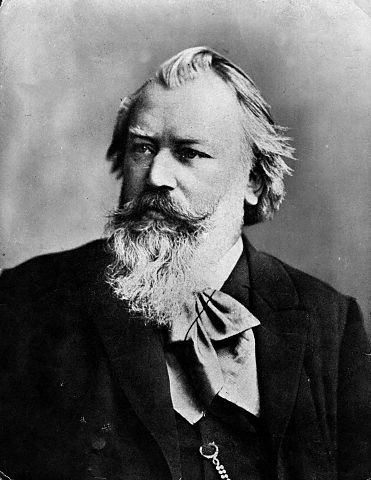
52. Johannes Brahms

(April 2015) I have completed phase 52 of my “opus project,” in which I listen to an artist’s complete works. This episode: JOHANNES BRAHMS. My one word review: meh. I didn’t know much about Brahms going in, but since he’s in all the top 10 composer lists, I thought it would be worth it. It wasn’t. Rarely does something in his music reach out and grab you. Or me at least. Think I’ll stay away from the 19th century for a while.

Favorite piece: Symphony #3, I suppose.

Compared to expectations: ⇓

JohannesBrahms.jpg