699. Harry Belafonte

(December 2025) Episode 699 of the “opus project” is HARRY BELAFONTE. In music, he is primarily known for popularizing calypso music with songs like “Day-O (The Banana Boat Song)” and “Jump in the Line,” although he successfully applied his silky voice to a range of styles including standards, show tunes, gospel, pop and Christmas. Calypso is evocative of a time and place, and I still chuckle that some predicted it would become the New Thing instead of rock-and-roll. Otherwise a lot of his recordings are in that 50s-60s saccharine pop style that I’m not a fan of. But much of his stature comes beyond music — acting in films, organizing within the civil rights and anti-Apartheid movements, and his social justice and humanitarian work.

Favorite album: Swing Dat Hammer

Favorite song: Jamaica Farewell

Compared to expectations: same

Recommendation: The albums Calypso and Jump Up Calypso cover that style, but I prefer him singing blues, folk, and gospel, such as on Swing Dat Hammer and Ballads Blues and Boasters

686. Miriam Makeba

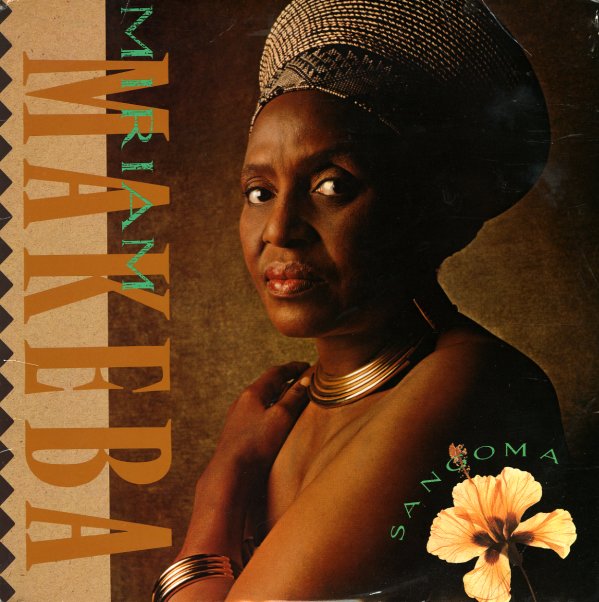
(October 2025) Episode 686 is MIRIAM MAKEBA. For years the only reason I knew her was from ads for her records printed on the sleeves of used LPs I used to buy. Turns out, she was a big deal, nicknamed “Mama Africa” for being among first African singers to achieve global fame. She got famous in the U.S. under the tutelage of Harry Belafonte (with whom she duo’d on a good album). She sang in English as well as her native Xhosa, bringing a click language to wider attention. Makeba was not shy about raising rights and justice in her songs, including against apartheid in her native country. For that she was persecuted and exiled twice, stripped of her passport by the South African government and having her visa revoked by the U.S. government for marrying civil rights activist Stokely Carmichael.

Favorite album: Sangoma

Favorite song: Novema

Compared to expectations: same

Recommendation: Sangoma was a comeback album of traditional South African songs stripped of the chrome and strings added to her 60s albums although those are peak period (including the one with Harry Belafonte).

685. The Chieftans

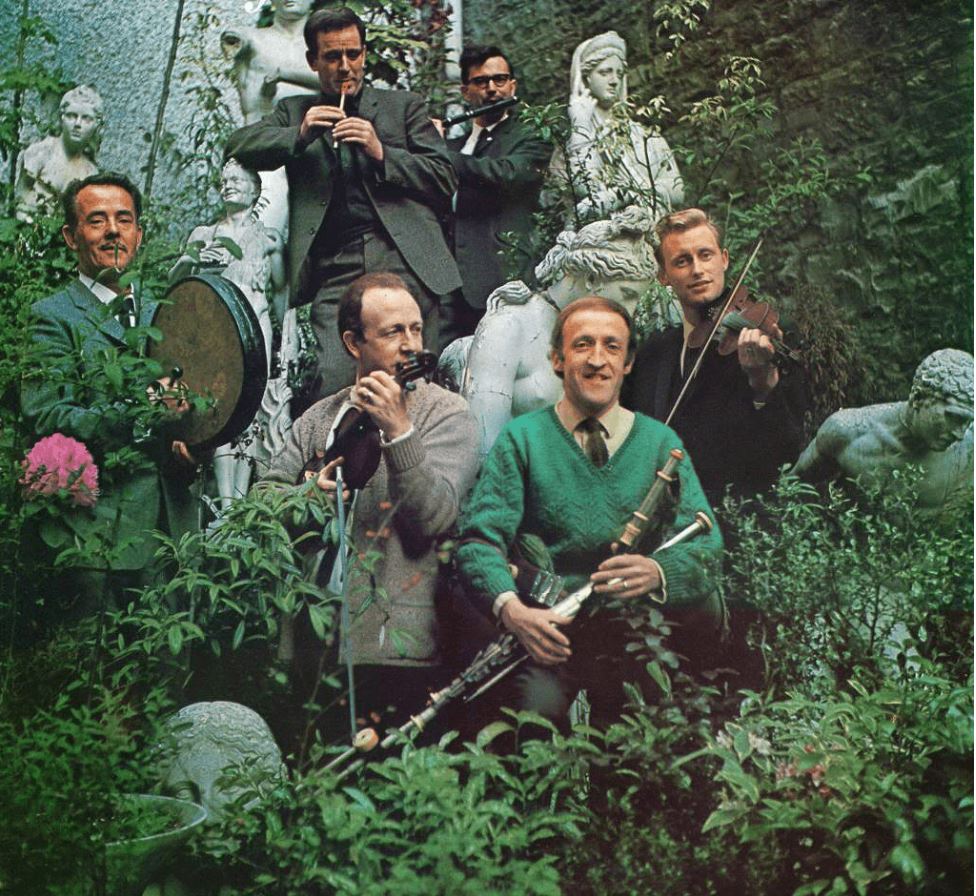
Episode 685 is THE CHIEFTANS, important promoters of traditional Irish folk music to a global audience. Getting their start in the 1960s, they put out a series of albums through the 1970s that, to my ear, sound genuinely authentic, augmented by the high musicianship of all the players. I’ve always loved uilleann pipes (Irish bagpipes) and leader Paddy Moloney is a master (also of the tin whistle). The Chieftans are a good study of the tension between authenticity and popularity. As they moved into the 1980s and after, to keep people buying records and expand beyond the orthodox confines of traditional music, they brought in other folk music (including Chinese), and collaborated with rock, country and classical artists. The result is a departure from “authenticity” and entry into realms that evoke the cheesiness of New Age “Celtic” stuff. I admit that my choice of favorite song comes from its prominent use in the great film Barry Lyndon.

Favourite album: Chieftans 4

Favourite song: Mná Na hÉireann

Favourite song (with lyrics): Molly Bán (Bawn) (with Alison Krauss)

Compared to expectations: same

Recommendation: The albums labelled Chieftans 1-8 all offer consistently good “traditional” music. For a greatest hits I recommend The Essential Chieftans

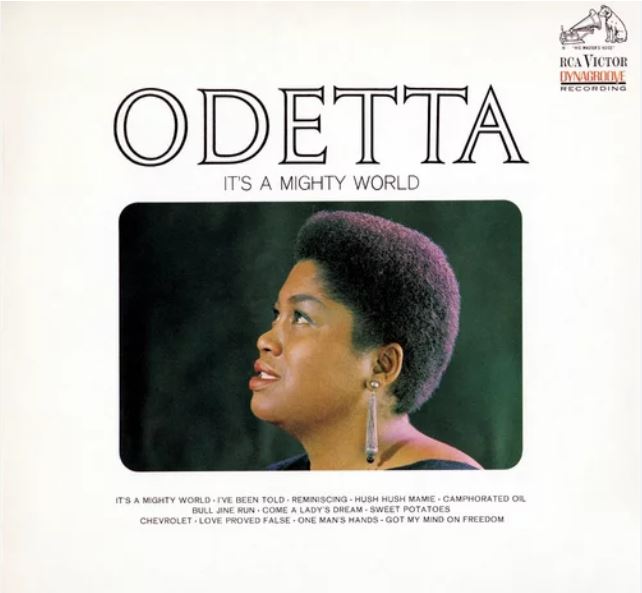
674. Odetta

(September 2025) Episode 674 is ODETTA. She was an influential figure in the American folk revival in the 1950s and 1960s. Her biographies are full of famous names crediting her as an inspiration. She also contributed her voice and music to the civil rights movement. Odetta’s voice is distinctive for being deeper and lower in the register than similar singers, especially early in her career. While the bulk of the songs are folk, her music did touch on blues, jazz and spirituals.

Favorite song: It’s a Mighty World

Favorite song: Deportee

Compared to expectations: same

Recommendation: The albums from 1962’s Odetta and the Blues and 1965’s Odetta Signs Dylan are her best work.

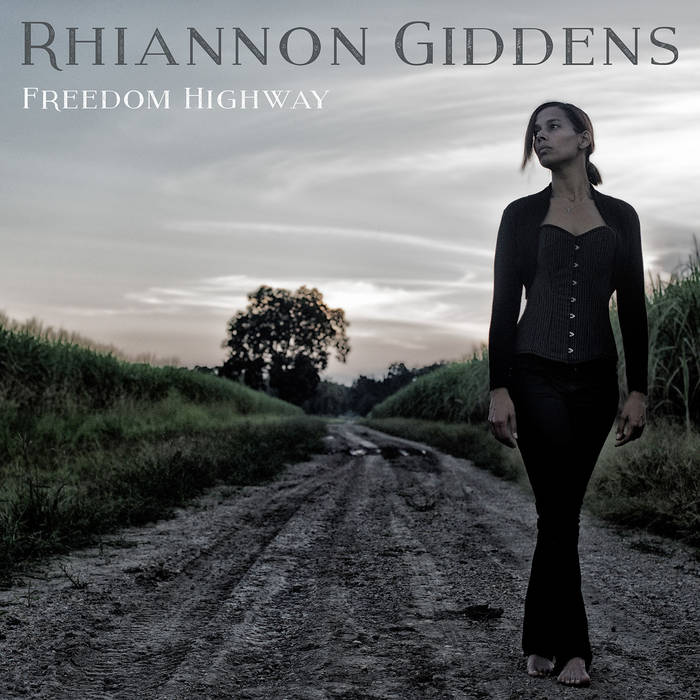
672. Rhiannon Giddens

(August 2025) Episode 672 of the “opus project” is RHIANNON GIDDENS. It is both impossible and unfair to apply a simple label to her music. It’s folk unbounded by convention, Americana unlimited by geography, and old-timey music beyond mere reinterpretation. On All the Pretty Horses she brings in British/Irish folk elements; on the two albums with Francesco Turrisi, Italian songs. Freedom Highway explores the African-American experience. You’re the One is more pop, while on What Did the Blackbird Say to the Crow, Giddens returns to her fiddle & banjo roots. And she co-wrote an opera (Omar) with Michael Abels. I covered is just the listed solo work; there is a multitude of collaborations beyond. Whatever the style, it’s usually an interesting listen. My one fault is that her strong voice can tend to overpower songs that recommend a softer touch.

Favorite song: Freedom Highway

Favorite song: At the Purchaser’s Option

Compared to expectations: ↑

Recommendation: Freedom Highway is the strongest album, but There Is No Other and They’re Calling Me Home (both with Turrisi) are the most interesting.

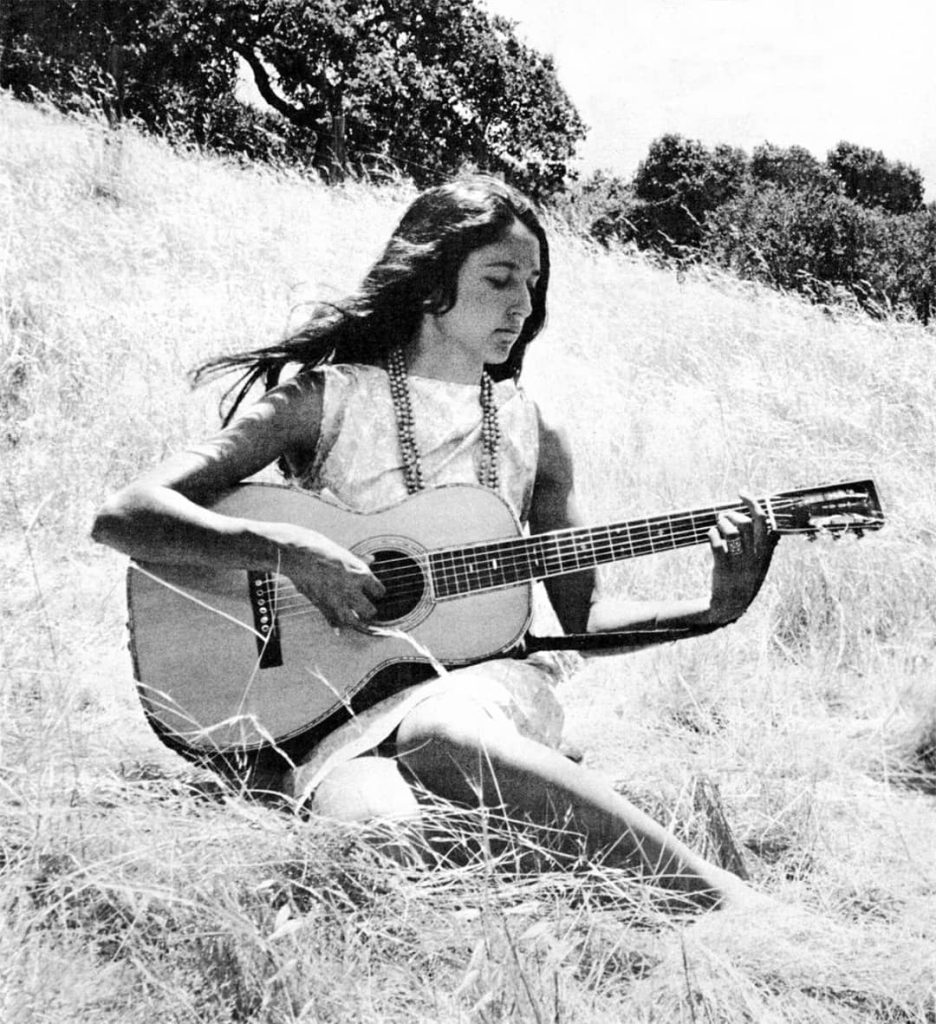
665. Joan Baez

(August 2025) Episode 665 is JOAN BAEZ. For too long I shunned her as a stereotype of the shrill, humorless, righteous folk singer. And while that’s not entirely untrue, the mistake is mine. Getting to know her work has been a pleasure. I especially like her in her early 60s prime with just her guitar and her voice. She did broaden out to include a band and other styles in a six-decade recording career, some of it weak but plenty good. Inseparable from her music and her life is the commitment to social justice and peace, which was the event setting of the one time I saw her in person. She was a vital figure in the 1960s folk revival, and is still speaking up as an activist, and deserves a listen I was too late in giving her.

Favorite album: Joan Baez (1960)

Favorite song: Birmingham Sunday

Compared to expectations: ↑

Recommendation: The six, mostly eponymously-named albums between 1960 and 1965.

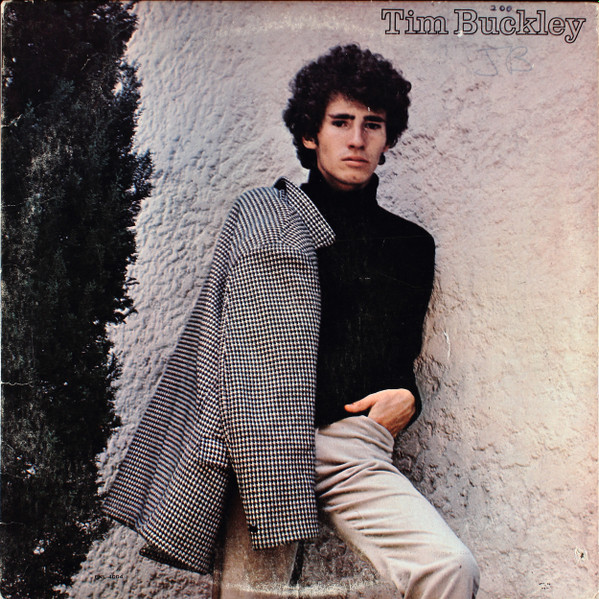
649. Tim Buckley and Jeff Buckley

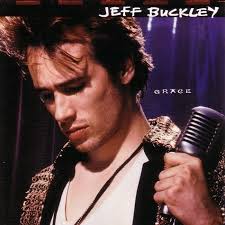
Episode 649 is TIM BUCKLEY and JEFF BUCKLEY. Tim is an acquired taste, and he hasn’t acquired mine. His five-octave voice is impressive, but I’ve never warmed to the crooning way he employed it. It often feels discordant to the music underneath, even as he varies his style from folk to avant-garde to pop. I appreciate the experimentalism of Starsailor, which has become a cult classic. It may seem odd to append Jeff here, as he was never part of his father’s life, but it’s the only way I could review him as he had only one studio album, Grace, but what a fine album that is. His “Hallelujah” is among the best covers that surpasses the original. Jeff inherited his father’s many-octave voice, but uses it more pleasantly.

Favorite Tim album: Tim Buckley

Favorite Tim song: Pleasant Street

Favorite Jeff song: Hallelujah

Compared to expectations: Tim ↓, Jeff same

Recommendation: You should know Jeff’s Grace. Try Tim’s more conventional eponymous album or Goodbye and Hello, or the weird Starsailor, to see if it fits your taste.

640. Pete Seeger

(April 2025) Episode 640 of the “opus project” is PETE SEEGER along with his early groups the ALMANAC SINGERS and THE WEAVERS. It’s hard to overstate Seeger’s importance in the popularization and dissemination of folk music and musicians, and for helping make folk a medium for social and political causes like peace and the environment. He co-founded the topic-heavy Almanac Singers (which included Woody Guthrie) in the 1940s, but even after changing groups and downplaying the political messaging, Seeger and the Weavers still couldn’t escape political persecution. His solo career was as varied as it was long (he recorded into his 90s). He directed musical attention to children, both in performance and on record. He also made instructional records for banjo and guitar; the album ‘12-String Guitar as Played by Leadbelly’ is a gem of musicology. Not blessed with a strong voice, I am not likely to put on his songs for a casual listening experience. But because of his contribution to music and history, and the fact that he wrote so many songs that have become standards, it is well to know his work. (For me it’s impossible to listen to the Weavers without thinking of their being mockumentary-ized in A Mighty Wind.)

Favorite album: Broadside Ballads, Vol. 2

Favorite song: Which Side Are You On?

Compared to expectations: same

Recommendation: His ‘American Favorite Ballads’ series on the Folkways label, released in five volumes from 1957-62, is a good collection. And try that Leadbelly homage album.

627. Fairport Convention

(January 2025) Episode 627 is FAIRPORT CONVENTION, the best known popularizers of British folk-rock. Their first album has a groovy West Coast 60s sound (which suits my taste the best). Sandy Denny* joined for the second album and helped move them in a folk direction. The early albums feature a combination of interpretations of traditional British folk songs, covers of America folk artists (Dylan, Mitchell) and original material, reaching the apotheosis of British folk-rock with Liege & Leaf. The first four albums are excellent and the next couple of albums have some interesting bits, but to me the quality declines precipitously after Richard Thompson left in 1971. Lineup changes were constant. Fairport Convention is still around with three members dating from the 60s. But what was once innovation becomes cliché (a dynamic afflicting other genres, notably 70s electronic music devolving to New Age). With Denny, their folk had a mystic quality; later albums merely sounded like something you’d hear in a pub.

Favourite album: Fairport Convention

Best album: Unhalfbricking

Favourite song: A Sailor’s Life

Compared to expectations: same

Recommendation: The first four albums (Fairport Convention to Liege & Leaf) are excellent and all you need here.

* classic rock fans will recognize her as the female voice on Led Zeppelin’s “The Battle of Evermore

624. Judy Collins

(December 2024)  Episode 624 is JUDY COLLINS, who is still performing and recording in a career that has spanned seven decades. She got her start in the Greenwich folk scene. Her initial recordings featured traditional folk songs, then those by Dylan, Ochs, Seeger, et al, then broadening to the Beatles, Cohen, Newman, Mitchell. This was her peak period, where her clear, direct voice provided interesting interpretations of famous songs. Over the years her recordings branched out into pop, rock, country, showtunes and standards. But to me, after a while her voice doesn’t add anything. It’s not flat but also not dynamic. Gets boring.

Favorite album: In My Life   

Favorite song: Both Sides Now

Compared to expectations: ↓

Recommendation: Albums from the 60s, particularly In My Life and Wildflowers