348. Gram Parsons

(August 2021)

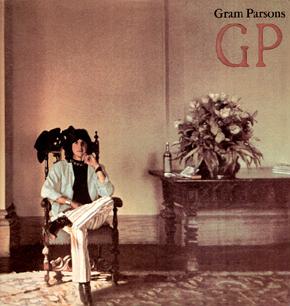
(8/15/21) Episode 348 of the “opus project” is GRAM PARSONS.  He’s called the father of country rock, although to my ear a lot of other artists were doing similar things at the time. I also don’t get why his music is called “cosmic.” That said, his mix of country, folk, R&B, soul and rock was influential, and a welcome alternative to the chrome and sap of countrypolitan coming out of Nashville. Austin City Limits basically embodies the Gram Parsons sound.  He also introduced us to Emmylou Harris.

Favorite album: GP

Favorite song: A Song for You

Favorite group album: The Gilded Palace of Sin 

Favorite cover song: Love Hurts (duet with Emmylou)

Favorite folk song: November Nights

Compared to expectations: same

337. Mississippi John Hurt

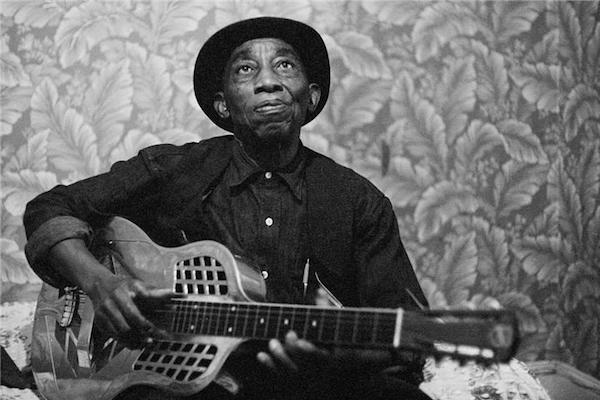
(June 2021) Episode 337 of the “opus project” is MISSISSIPPI JOHN HURT. Guitar pickin’ blues, my favorite kind of blues I think.  That, along with his gentle voice and calm delivery (not to mention his uncomplicated personal life), make him distinctive if not unique in the genre. He was rediscovered in the 1960s and thus contributed to the folk revival. A benefit is that most of his recordings are of good quality.

Favorite song: Richland Woman Blues

Compared to expectations: ↑

327. Woody Guthrie

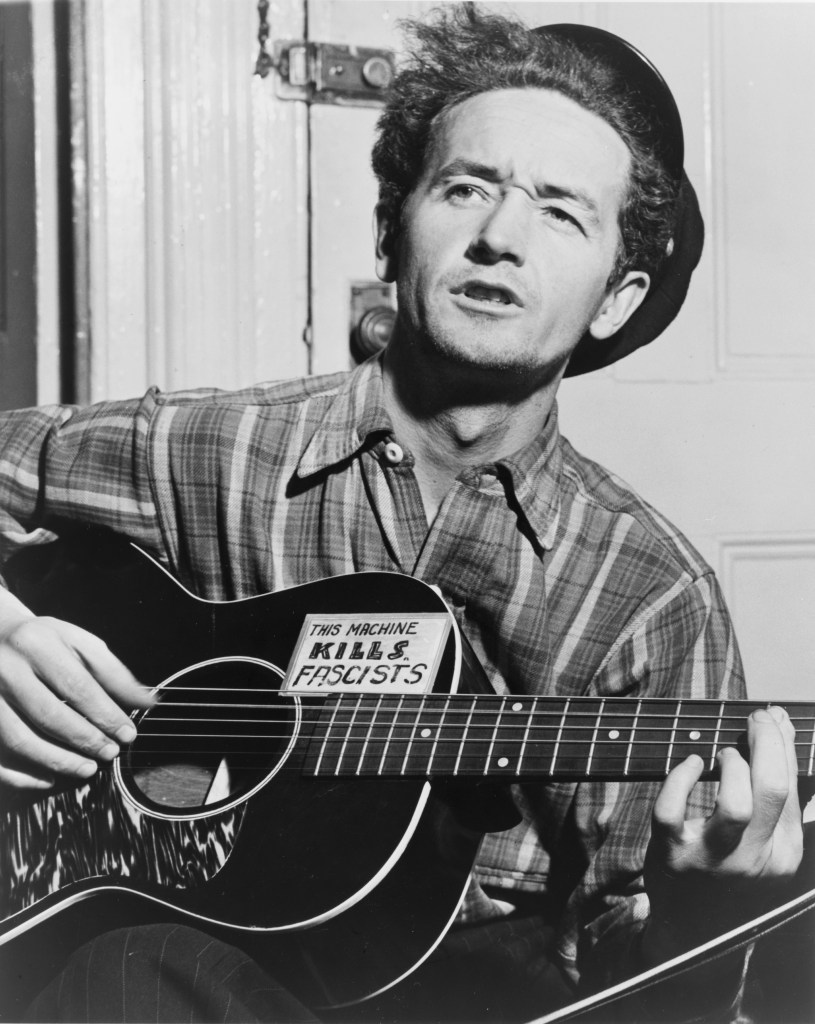
(April 2021) Episode 327 is WOODY GUTHRIE. It’s hard to overstate his importance and influence, not only musically and politically for the 1960s folk revival, but for country, roots and rock music beyond. The fact that “This Land Is Your Land” subversively became a children’s standard still makes me smile.

Favorite song: Hard Travelin’

Best compilation: the 4-volume Asch recordings

Compared to expectations: same

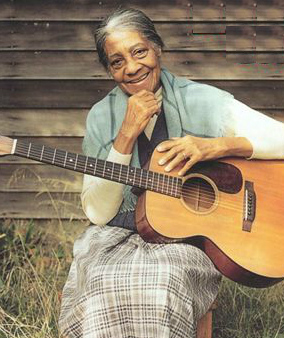
312. Elizabeth Cotten

(January 2021) Episode 312 is ELIZABETH COTTEN.  If you like guitar pickin’ you’ll love her. And a great story. Cotten taught herself to play an unorthodox way: left-handed but with the strings in the right-handed position, so her fingers did the bass and her thumb the melody, for a style aptly called “Cotten picking.”  She learned as a youth, gave it up for decades, and then started performing and recording in her 60s, influencing many in the folk revival.

Favorite song: Freight Train

Favorite instrumental song: New Year’s Eve

Compared to expectations: ↑

298. Jonathan Richman

(November 2020) Episode 298 is JONATHAN RICHMAN. The Troubadour of Boston. I became a fan early on with the proto-punkish Modern Lovers songs that made him a cult favorite.  But to be honest, the solo work that followed was disappointing.  The songs are simple and pleasant, but would be better enjoyed in a coffeehouse rather than by listening to albums, and they never attained the cleverness or weirdness of the early stuff.

Favorite album: The Modern Lovers

Favorite song: Pablo Picasso

Compared to expectations: ↓

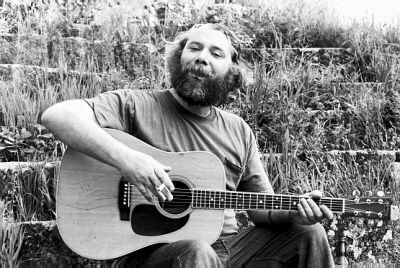
271. John Fahey

(June 2020) Episode 271 is JOHN FAHEY.  Fingerpicked guitar is so wholesome. If you love it like I do then John Fahey is essential. He didn’t invent the technique (that was southern blues players) but he made it its own art form, often called American primitive guitar (a label I don’t like because it connects him to Windham Hill-type New Age music, a connection he rejected). Amidst his personal eccentricities, Fahey tried several styles including Dixieland jazz, sound collage, and Christmas covers. But he’s at his best when his right hand goes full speed on folk and blues numbers.

Favorite album: The Dance of Death & Other Plantation Favorites

Favorite song: Jaya Shiva Shankara

Best song that Leo Kottke did a little better: The Last Steam Engine Train

Compared to expectations: same

john fahey

249. Hank Williams

(February 2020) Episode 249 of the “opus project” is HANK WILLIAMS. The influence of Hank cannot be understated.  He set the standards — musical style, performance, tone, lyrical themes — by which all country music that followed is measured.  I’m not a country fan, but I do enjoy artists closer to its roots. The dude could write a tune.

Favorite song: I’m So Lonesome I Could Cry

Compared to expectations: same

hank-williams-lovesick-blues-no-1

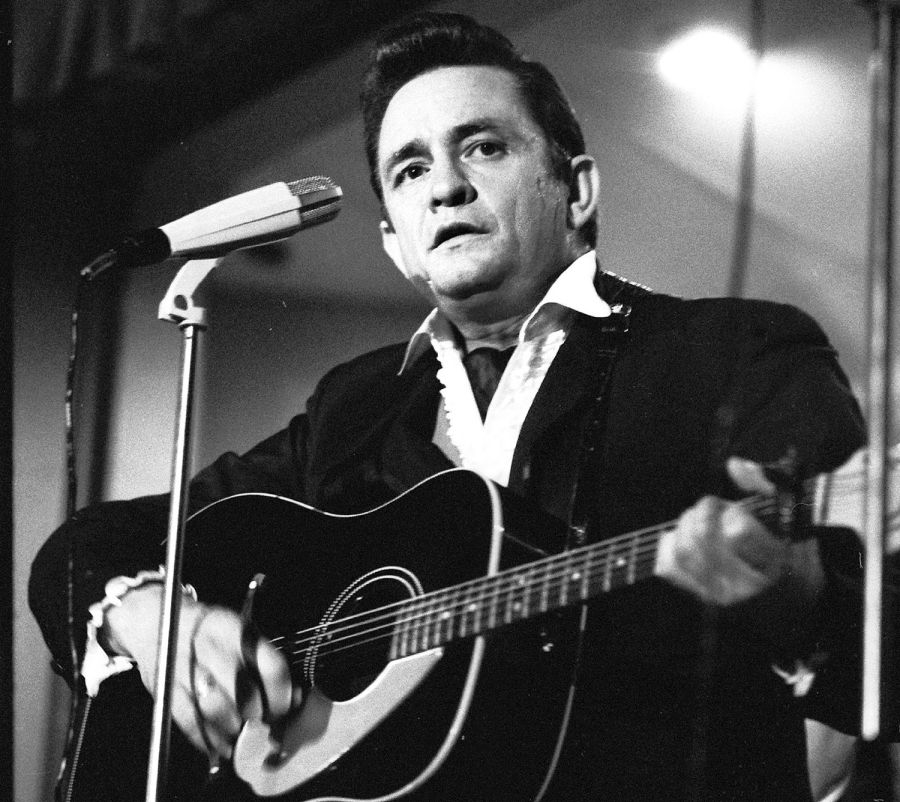
243. Johnny Cash

(December 2019) Episode 243  is JOHNNY CASH. If there were a Mount Rushmore of the Voices of America, he would be on it. I appreciate the independent, even rebellious, spirit of his long and storied career – resisting capture by corporate Nashville, collaborating with artists across genres (U2, Ray Charles, Bob Dylan, etc.), exploring concept albums.  I love his musical expression of a personal ideology that defied political categorization: respect for the forgotten/downtrodden/persecuted man (exemplified by “Man in Black” and “Bitter Tears”) – a rare wokeness for its time and his genre.  But most of all his songs are just plain enjoyable (even though I’m not a fan of country music).  This was a long one, at ~80 albums.

Favorite album: American Recordings

Favorite song: Man in Black

Favorite duet: If I Were A Carpenter (with June)

Worst album: The Rambler

Favorite Period: Sun recordings

Least favorite genre: gospel

Compared to expectations: same

johnnycash

206. Lead Belly

(March 2019) I have completed episode 206 of my “opus project.” This edition: LEAD BELLY. A master in blues and folk, Lead Belly’s songs also touched on gospel, children’s songs and topics of the day like FDR, Hitler and the Titanic. His songs were thankfully preserved by the Lomax recordings for the Library of Congress, making him influential, particularly for his technique on his big 12-string guitar. Despite, or maybe because of, his scoundrel-ish life, his voice always sounds like he’s having a great time.

Favorite song: Bottle Up and Go (love the guitar work)

Compared to expectations: same

leadbelly_001

170. Leonard Cohen

(June 2018) I have completed episode 170 of my “opus project,” in which I listen to an artist’s full discography. This edition: LEONARD COHEN. He is a legend. And yet, I can’t get much beyond meh with much of his work. As a poet, his lyrics are the heart of his music. But since lyrical content is the last thing I listen to in music, I am missing the depth of appreciation. I prefer the earlier folk material, but also the last sparse, dark recordings. One interesting observation is how the pitch of his voice drops with each album, from medium-high register on the first albums to nearly inaudible depths by the final ones.

Favorite album: Songs of Love and Hate

Favorite song: Suzanne

Compared to expectations: ↓

Songs_of_love_and_hate.jpg