692. Charlie Parker

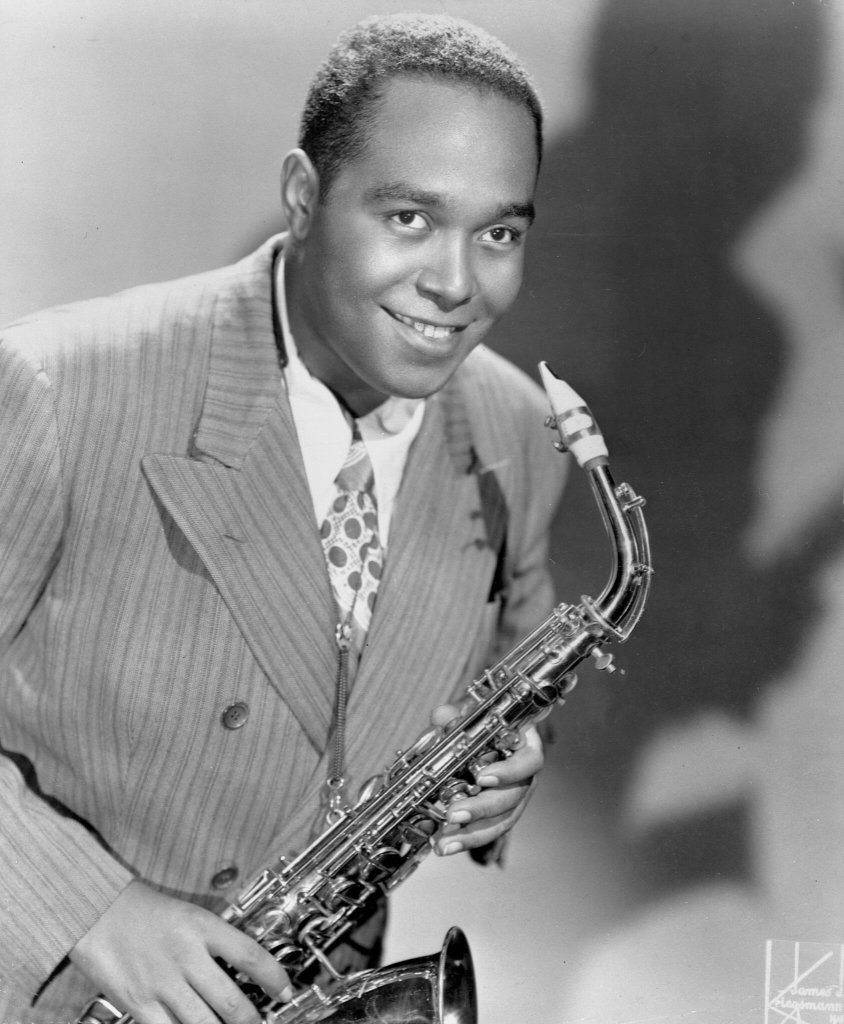
(November 2025) Episode 692 is CHARLIE PARKER. I’ll use this occasion to commit heresy. First, I admit I don’t like bebop, to the shame of all the jazz people I grew up with (including my father). To me it comes off as noodling for noodling’s sake, in the same way I react to jam bands. It doesn’t provide the emotional response I seek in melodic lines, hooks, or sonic textures and mood. Second, I’ve never really liked Charlie Parker; there’s a reason he slipped all the way to episode 692. This goes way back as part of a trumpet player’s reflexive aversion to the saxophone. I appreciate his legendary skill and immense influence on jazz music. But what I hear is music that makes virtuosity an end in itself rather than a means to a musical whole (not entirely unlike an Al Di Meola or Yngwie Malmsteen) which has limited appeal to me. I know I border on sacrilege here, but just being honest.

Favourite album: Bird and Diz*

Favourite song: A Night in Tunisia

Compared to expectations: same

Recommendation: Jazz aficionados will point you to his most sublime live performances but I can’t.

* Did you notice that? My favorite album is half trumpet.
659. Dave Brubeck

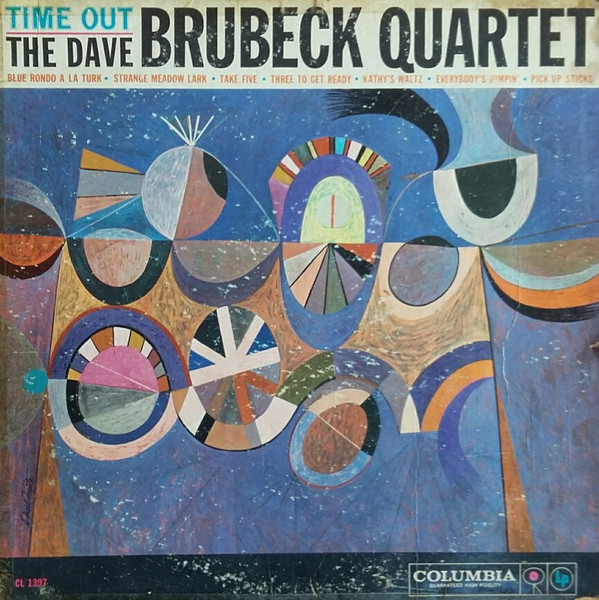
(June 2025) Episode 659 is DAVE BRUBECK. This was a welcome learning experience because I didn’t know him beyond “Take Five” and “Blue Rondo à la Turk.” His music is a rare mix of brainy and popular. These famous songs are representative of his group’s experimentation with unusual time signatures, following a visit to Turkey on a global tour. His West Coast jazz comes off as an urbane version of cool jazz. His playing and compositions often seem to have classical piano as a substrate; in fact he later composed pieces for classical orchestra. He let his style evolve, such as the recordings with his sons in a fusion of jazz, rock, and blues. I enjoyed his late-career solo piano recordings.

Favorite album: Time Out

Favorite song: Take Five*

Compared to expectations: ↑

Recommendation: His quartet years in the late 50s, early 60s, with Paul Desmond on sax, are the classic period, but check out Two Generations of Brubeck for something different.

* written by Paul Desmond

637. Billie Holiday

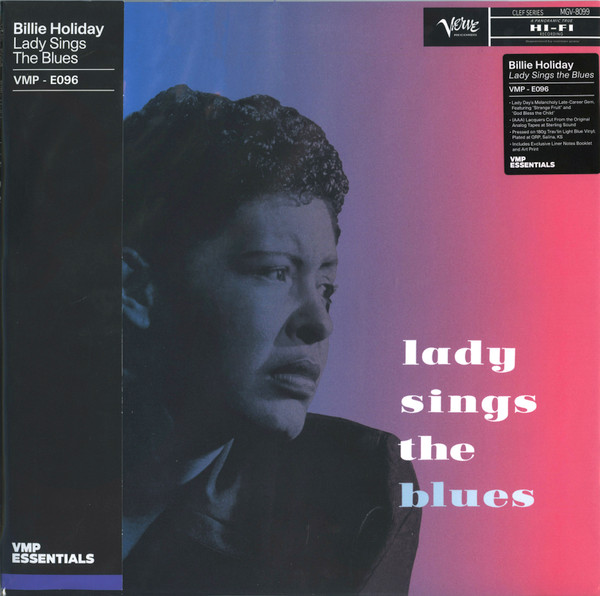
(March 2025) Episode 637 is BILLIE HOLIDAY. One of the most distinctive American voices. She widened the aperture of jazz with the instrumentality of her voice (from horn players she admired like Louis Armstrong) and bringing in lived experience to her songs (from blues singers she admired like Bessie Smith) (also maybe why I liked her “Strange Fruit”). Personally, this style of jazz isn’t my cup of tea, but her signature voice sells it.

Favorite album: Lady Sings the Blues

Favorite song: Strange Fruit

Compared to expectations: same

Recommendation: The mid-50s recordings on Verve and Clef

625. Pharoah Sanders

(January 2025) Episode 625 is PHAROAH SANDERS – a good example of how this Project, despite its laboriousness, is helping me discover new worlds of music. In this case, Pharoah Sanders’ spiritual jazz. The saxophonist got his break recording on John Coltrane’s watershed free-jazz Ascension album (my favorite of his), influencing him to chart his own path in that direction. Sanders’ sax voice is different than Coltrane’s, and his music (in the late 1960s and early 1970s) became more mystical, incorporating world music and vocalizations. Over the decades, his recordings returned to more conventional jazz styles and even R&B, although he did experiment with electronic and orchestral formats. But to me those spiritual jazz albums are magic.

Favorite album: Karma          

Favorite song: Village of the Pharoahs

Compared to expectations: ↑

Recommendation: Pretty much any album from Tauhid (1967) to Village of the Pharoahs (1973).

617. Dave Van Ronk

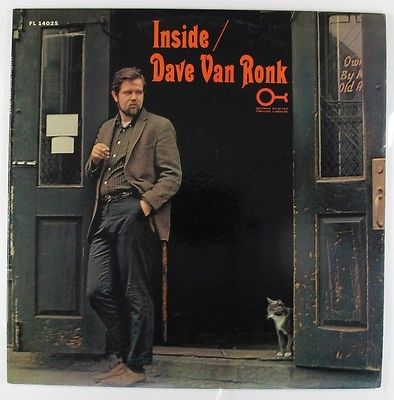
(November 2024) Episode 617 is DAVE VAN RONK. There’s a frustratingly large gap between his music and influence and the public awareness of him, which included me until recently. Nicknamed the “Mayor of MacDougal Street” for his presence on the Greenwich Village folk scene in the 50s and 60s, where he mentored and befriended some who achieved greater fame, like Bob Dylan and Joni Mitchell. He was a force of nature with his loud, gruff voice, but he could also make it soft and tender, giving an emotional depth to his songs. His style included blues, ragtime, trad jazz, standards and children’s music. But it’s the spare folk songs, especially with his excellent finger-picking style, where Van Ronk excels. While his focus was on interpreting traditional and others’ songs, he was a talented writer of tune and lyric, as shown on Going Back to Brooklyn, his only album of all original compositions.

Favorite album: Inside Dave Van Ronk

Favorite song: Another Time and Place

Compared to expectations: same

Recommendation: Dave Van Ronk, Folksinger; Just Dave Van Ronk; Inside Dave Van Ronk and Going Back to Brookyln showcase his solo guitar folk songs. Dave Van Ronk and the Ragtime Jug Stompers and Dave Van Ronk and the Hudson Stompers are good ensemble albums.

608. Sergio Mendes

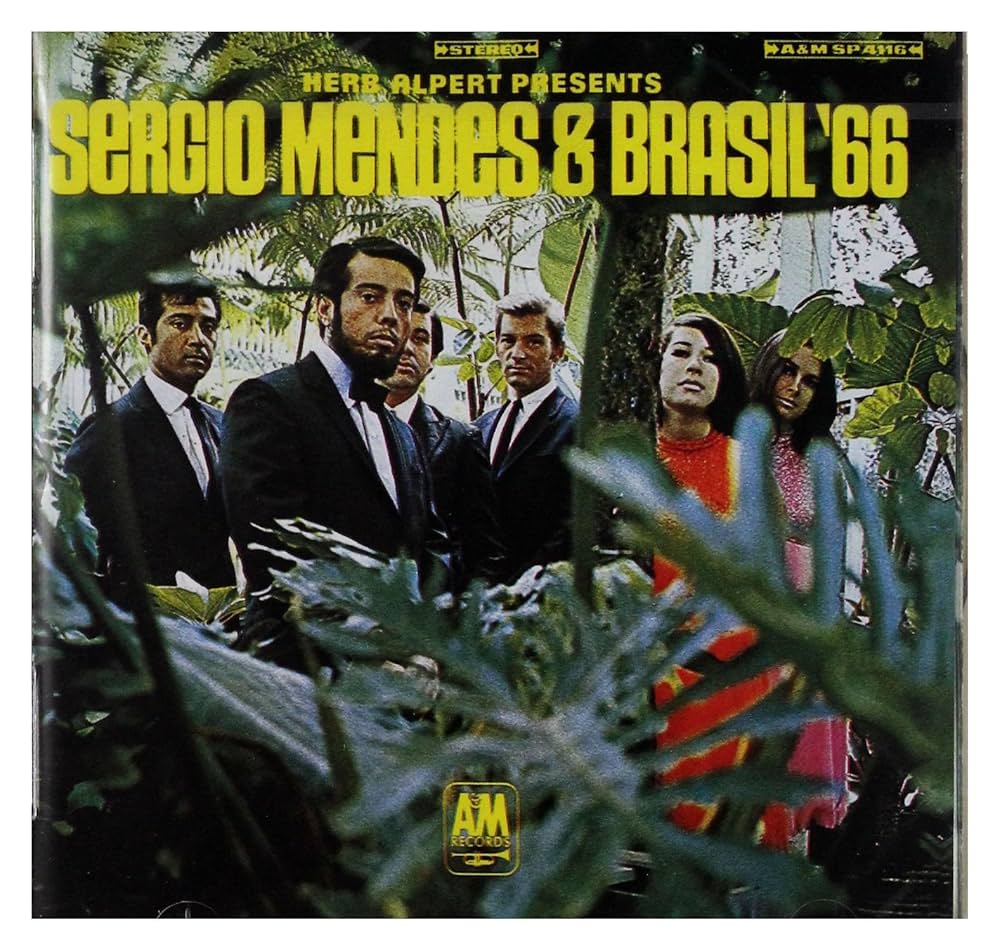
Episode 608 is SERGIO MENDES, begun after his recent passing. Mendes did much to popularize the Brazilian sound around the world, especially in the United States. He wasn’t a pioneer in the same way as Jobim (whom he considered a mentor) and Gilberto were. But with “Herb Alpert Presents Sergio Mendes & Brasil ’66” he hit upon a magic formula with two female singers over bossa nova players. I love this music as so evocative of a certain 1960s scene. It’s digestible and acceptable easy-listening. Mendes covered a lot of rock/pop songs in the bossa nova style, which works for a while until it doesn’t. Frankly, much of his output from the mid-1970s on is trying to fit into music trends, from disco to hip hop, or just going straight pop, like the adult contemporary hit “Never Gonna Let You Go.” An exception would be the 1992 album Brasileiro and its return to Brazilian rhythms.  

Favorite album: Herb Alpert Presents Sergio Mendes & Brasil ’66

Favorite song: Mas Que Nada

Favorite later album: Brasileiro

Compared to expectations: same

Recommendation: The early 60s albums if you like it more jazzy, or the late 60s Brasil ’66 recordings for his classic sound. The rest you need not explore.

604. Charles Mingus

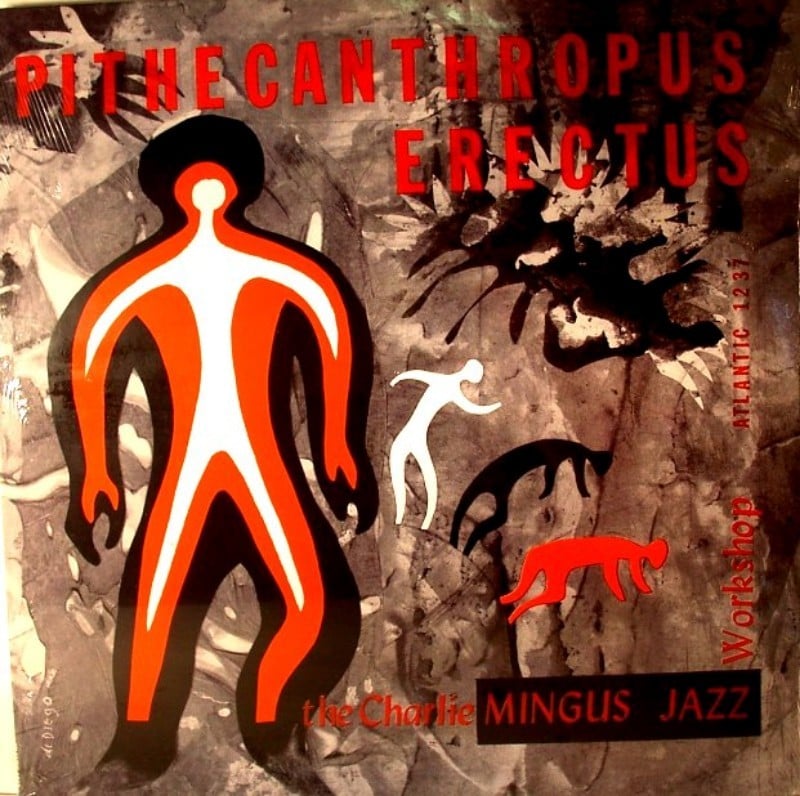
(September 2024) Episode 604 is CHARLES MINGUS. I feel sheepish in my jazz artist write-ups because I have such a weak foundation in the genre. Thus my reviews are mostly experiential and ill-informed by history or context. I really liked listening to Charles Mingus. There’s a wide range here from bebop to post-bop, avant-garde and big band. He is known as an iconoclast and that comes through, especially in the group improvisation dynamic which treads into the land of free jazz that I like. Centering most things (he played piano too) is Mingus’ phenomenal bass playing.

Favorite album: Pithecanthropus Erectus

Favorite song: Hobo Ho

Compared to expectations: ↑

Recommendation: I checked off the albums I liked as I went, and they turned out to be what critics rate highly, so I felt I was on the right track.  They are Pithecanthropus Erectus, Tijuana Moods, Mingus Ah Um, and Let the Children Hear Music.

603. Taj Mahal

Episode 603 is TAJ MAHAL. You can label him a blues artist but that’s rather inadequate. That’s where his music is grounded, but he has spread widely over a 55+ year recording career, fusing with or featuring calypso, reggae, trad jazz, Great American Songbook, etc. His early recordings are a throwback to a simpler country blues style, and it’s interesting to note that his first albums came out in 1968, the year that famous rock bands pivoted back to basics (Taj Mahal hung out with the Rolling Stones). He played in fingerpick style, so the recordings in that mode, mostly early on but he returned to them, are my favorite.

Favorite album: Giant Step/De Ole Folks at Home

Favorite song: Leaving Trunk

Favorite album (later): Labor of Love

Compared to expectations: ↑

Recommendation: There’s so much diversity it’s hard to direct someone. But I think any of the first five albums (1968-72) are fine country blues offerings.

593. Jean-Luc Ponty

(August 2024) Episode 593 is JEAN-LUC PONTY. I came to French-born Ponty through his work with Frank Zappa, notably Hot Rats. That’s the reason I list his album of Zappa interpretations as my favorite, although not his best. I do love me some jazz violin (especially Django Reinhardt collaborator Stéphane Grappelli, with whom Ponty collaborated). Much of Ponty’s recordings are classified as jazz fusion, a genre that tends to repulse me (likely due to being over-exposed to it by high school jazz bandmates). But Ponty’s treatment of the genre is generally digestible and often enjoyable.

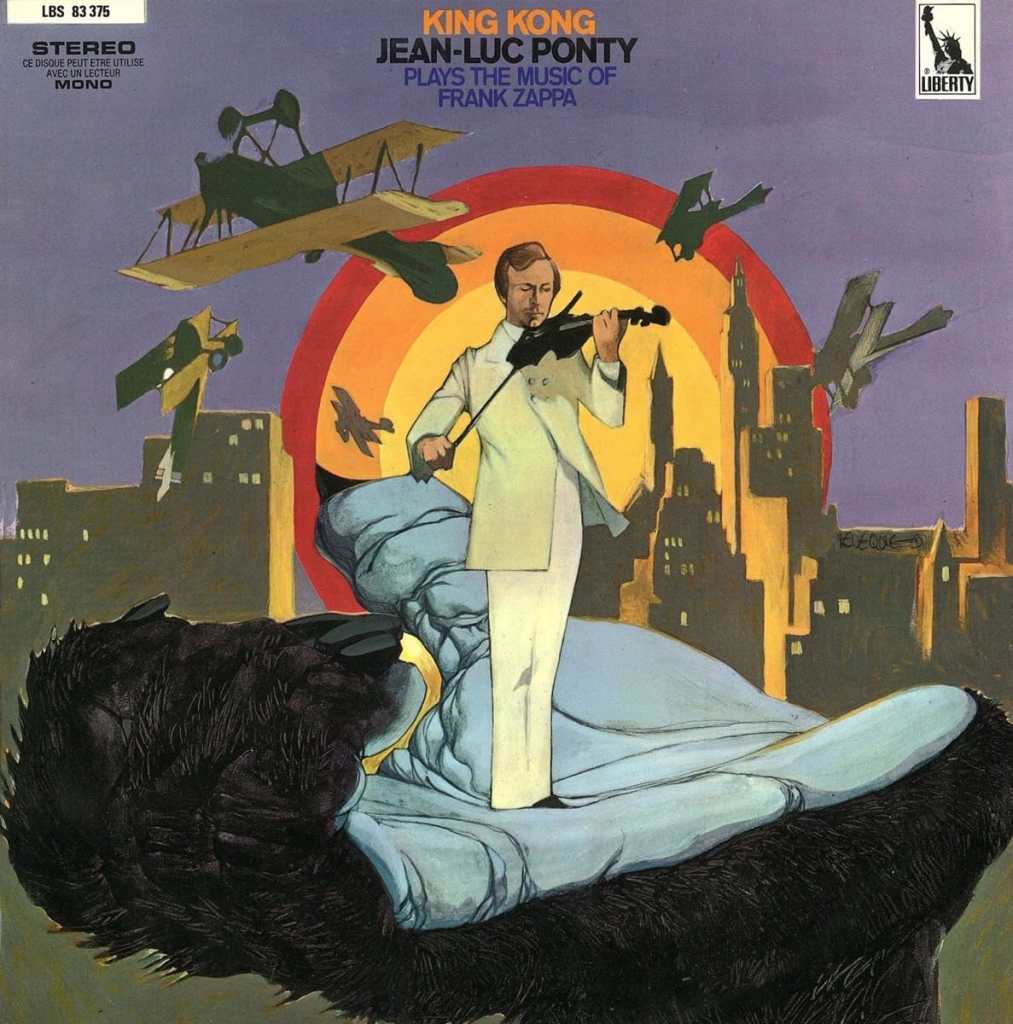
Favorite album: King Kong: Jean-Luc Ponty Plays the Music of Frank Zappa

Favorite original album: Imaginary Voyage

Favorite collaboration album: Violin Summit with Stuff Smith, Stephane Grappelli, Svend Asmussen

Favorite song: Stay with Me

Compared to expectations: same

Recommendation: His mid-70s albums are his best, although those are heavy fusion. The early albums are closer to regular jazz and have their own charm.

568.Ornette Coleman

(May 2024) Episode 568 is ORNETTE COLEMAN. A motivation that keeps me going through the time-consuming, often tedious slog of the Opus Project is the joy of discovery. And Ornette Coleman was a supreme joy to discover. Of course, I knew who he was and had heard some of his work. But with my limited knowledge of jazz music and history, and as I am finding that free jazz might be my favorite form of it, here I stumble upon the guy who invented it. Wonderful. Free jazz’s improvisation without harmony, melody, chord changes made Coleman polarizing, but inspired John Coltrane’s “Ascension” (my favorite of his) and the development of avant-garde in music. He wasn’t limited to just the jazz idiom, and composed works performed by the London Symphony Orchestra and others. While saxophone was his main instrument, he also took up trumpet and violin (I love what he does that that).

Favorite album: Science Fiction

Favorite orchestral album: Skies of America

Favorite song: Theme From A Symphony (variation one)

Compared to expectations: ↑

Recommendation: Start with Free Jazz (1960), which launched it all. To me his peak are the five albums between Science Fiction (1971) and Body Meta (1976), including Skies of America (1972) with the LSO