406. Arooj Aftab

(May 2022)

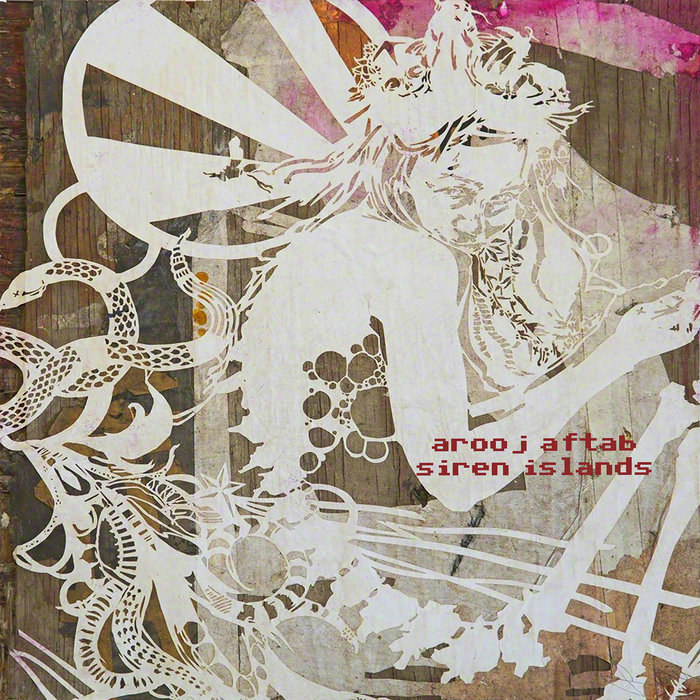
Episode 406 is AROOJ AFTAB.  Pakistan-born, U.S.-based vocalist and composer whose music is a blend of jazz, minimalism, electronica and neo-Sufi.  She uses her beautiful, mid-range voice as an instrument integrated into the music. The moods are relaxing, contemplative, atmospheric, spacy.

Favorite album: Siren Islands

Favorite song: Mohabbat

Compared to expectations: same

Recommendation: definitely check her out

329. Hildur Guðnadóttir

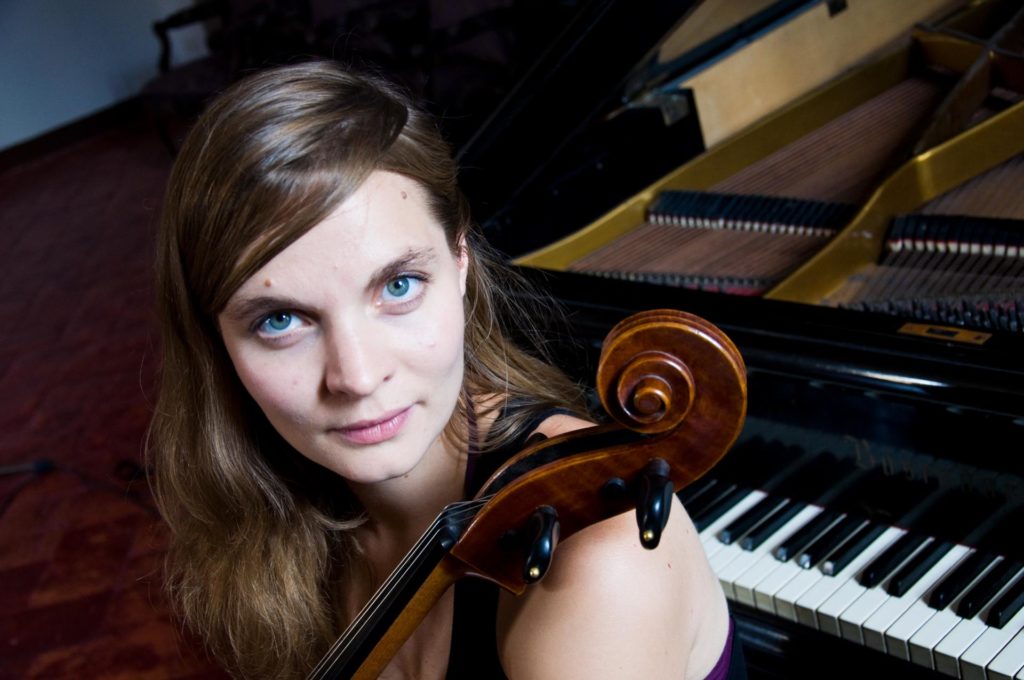
(April 2021) Episode 329 is HILDUR GUÐNADÓTTIR, a contemporary cellist and composer from Iceland.  Her neo-minimalist solo works are my favorite, but she is a frequent collaborator with a wide range of artists from electro-pop to drone metal. Guðnadóttir has focused on soundtracks recently, such as the Chernobyl miniseries and Joker (for which she won an Oscar).  One constant is that most everything in her music seems to resonate off the sober deep tone of a cello.

Favorite solo piece: Leyfðu Ljósinu 

Favorite collaborative album: In Transmediale  (with Angel)

Favorite soundtrack: Chernobyl

Compared to expectations: same

313. La Monte Young

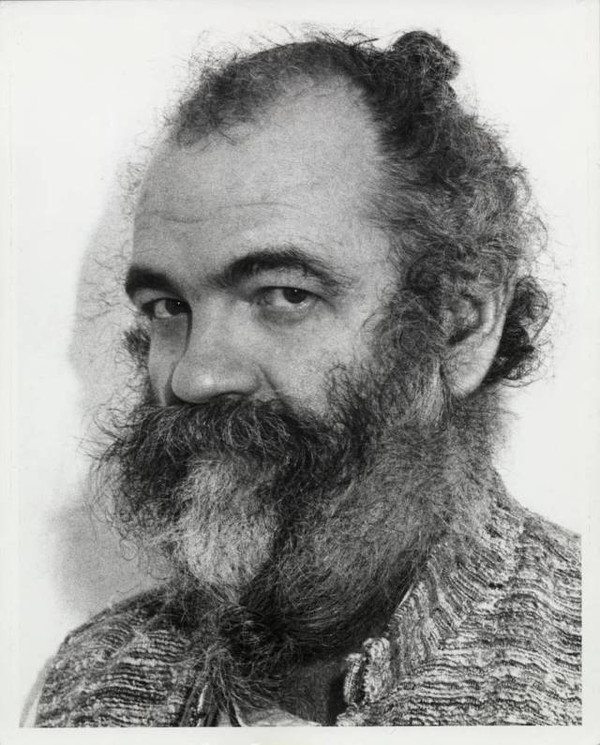
Episode 313 is LA MONTE YOUNG.  Inspired by Cage, he set out to question the definition and nature of music: one work is just pushing a piano against a wall. He deeply explored sustained tones — what was later dubbed drone music — which made him a pioneer in minimalism. Young also composed in just intonation, collaborated with Indian classical musicians, and did all sorts of avant-garde stuff with his Theater of Eternal Music and elsewhere.  

Favorite piece: Just Charles & Cello in The Romantic Chord

Compared to expectations: same

310. Éliane Radigue

(January 2021) Episode 310 is ÉLIANE RADIGUE, a French composer of drone music featuring long sustained notes and harmonics. She was an experimental pioneer in tape, feedback and early synthesizers in the 1960s. She converted to Tibetan Buddhism in the 1970s, which influenced the tone and topic of her works. In the 21st Century she switched to composing for acoustic instruments exploring a variety of harmonic resonances.

Favorite piece: Kailasha

Favorite series: Adnos I-II-III

Compared to expectations: same

307. Harold Budd

(January 2021) Episode 307 of the “opus project” is HAROLD BUDD. Another episode I started following the artist’s passing. Following early years exploring musical styles, he settled on the art of sound textures (principally on piano) and became a prolific master. The term “ambient” is most apt (although he disliked it), but don’t be fooled into thinking this is cloying New Age drivel.  The compositions are as cerebral and intentional as they are ethereal and unworldly.  Much of his releases are collaborations, such as with Brian Eno and Robin Guthrie.

Favorite album: The Pearl (with Brian Eno)

Favorite album (solo): The White Arcades

Compared to expectations: same

301. Sarah Davachi

(December 2020) Episode 301 is SARAH DAVACHI, a contemporary sound artist and composer of music best described as drone.  She mainly uses analog synthesizers and acoustic instruments, a welcome throwback to the electric music pioneers of the 1970s, which I love. Her approach creates compositions that are both serious music and suitable for meditation or contemplation, quite distinct from the shallow, cloying stuff marketed as New Age.  Check her out.

Favorite album: Barons Court

Favorite song: Buhrstone

Compared to expectations: ↑

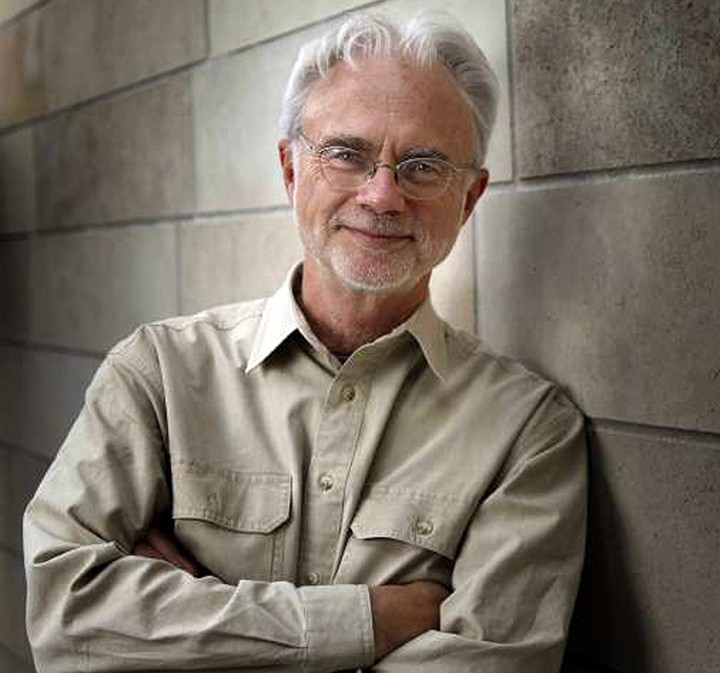
297. Jon Gibson

(November 2020) Episode 297 of the “opus project” is JON GIBSON, begun after his passing last month.  A woodwind player and founding member of the Philip Glass Ensemble, he was at the center of the minimalist movement, and I mean literally: Gibson played the premieres of Riley’s “In C,” Reich’s “Drumming” and “Reed Phase,” and Glass’s “Music in 12 Parts.”  But he also composed fine minimalist/avant-garde pieces of his own, which is what is covered in this episode.

Favorite album: Two Solo Pieces

Favorite “song:” Relative Calm: I. “Rise”

Compared to expectations: same

226. John Cage

(August 2019) Episode 226 is JOHN CAGE. You’ll never see his compositions on standard repertoires or hear them at the dentist office. But after this episode I am convinced he is the most important composer of the 20th century, and arguably of all time, for forcing us to question whether there is a difference between music and sound, between directed sound and undirected sound. Why should we value the vibrations of a violin strong over those made by water sloshing through a conch shell? The emphasis of chance in certain work (perhaps his most controversial aspect) ensures that certain pieces can never be played the same twice. Technically, this episode is not complete, as one of his pieces is currently being played on an organ in Germany and not scheduled to end until the year 2640.

Favorite piece: Seventy Four

Favorite period: “numbers” period (last 5 years of his life)

Favorite prepared piano piece: Three Dances

Favorite string piece: Quartets I-VIII

Favorite piece with woodwinds: Eight

Favorite percussive piece: First Construction (in metal)

Favorite use of household items: Water Walk

Compared to expectations: same
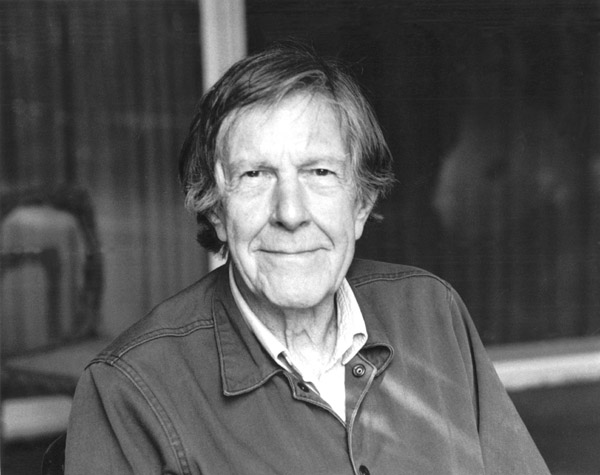
CAGE, John - portrait in 1991, Los Angeles

204. John Adams

(February 2019) I have completed episode 204 of my “opus project.” This edition: JOHN ADAMS. One of the top living American composers, his music has its roots in minimalism but it’s rather hard to categorize, incorporating and mixing several styles of early and late 20th century music. He composed several operas, but since opera’s not my thing, I prefer the orchestral and piano pieces, especially when it takes an ethereal turn.

Favorite piece: Harmonielehre

Favorite opera: Nixon in China

Favorite ambient piece: Light over Water

Compared to expectations: same
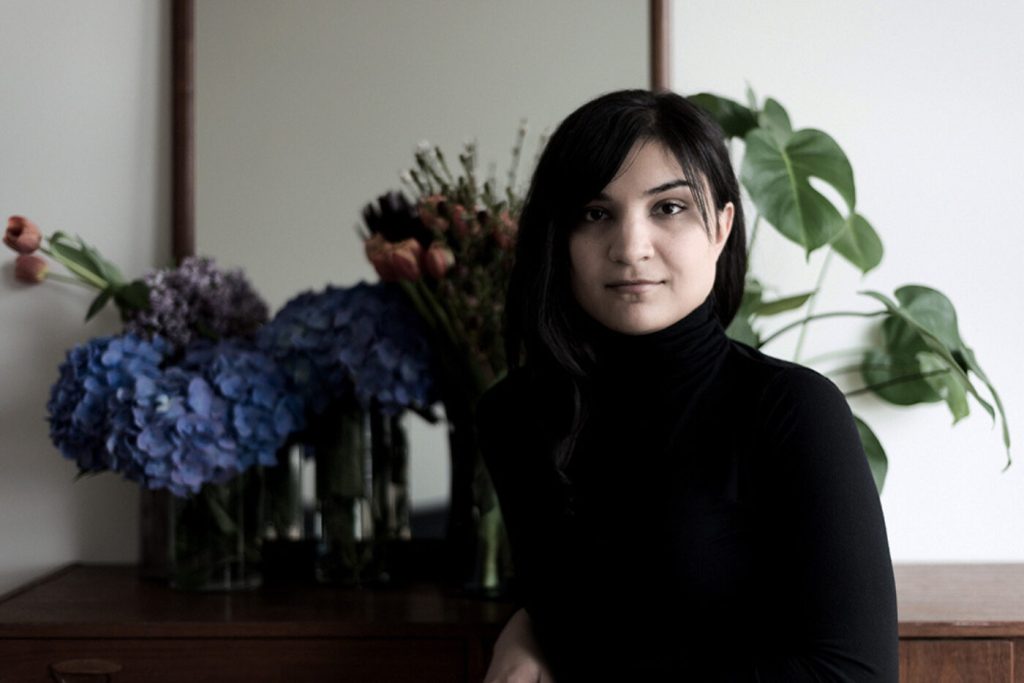
john_adams

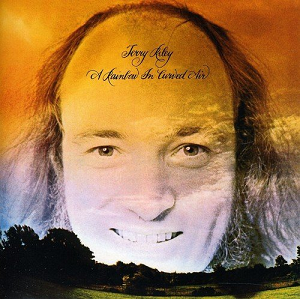
199. Terry Riley

(January 2019) I have completed episode 199 of my “opus project.” This edition: TERRY RILEY. A (still living) composer of experimental music and pioneer of minimalism, Riley gained fame with works featuring loops and delay effects. Many of his pieces feature Indian musical and jazz elements. A multi-instrumentalist, the majority of his compositions are on keyboard, some of which sound new-agey to the ear. I prefer the early experimental stuff.

Favorite album: A Rainbow in Curved Air

Favorite piece (song): A Rainbow in Curved Air

Favorite live performance: Persian Surgery Dervishes

Favorite soundtrack: Les Yeux Fermés

Favorite later piece: The Cusp of Magic (with Kronos Quartet)

Compared to expectations: ↑

RainbowCurvedAir.png