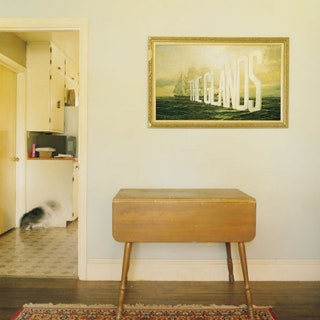
(November 2020) Episode 299 of the “opus project” is THE GLANDS. Melodic, catchy lo-fi indie rock. Being from Athens, GA, I would have thought them part of the Elephant 6 collective; they’re not, but they sure sound like it. Also, a great band name.
(November 2020) Episode 298 is JONATHAN RICHMAN. The Troubadour of Boston. I became a fan early on with the proto-punkish Modern Lovers songs that made him a cult favorite. But to be honest, the solo work that followed was disappointing. The songs are simple and pleasant, but would be better enjoyed in a coffeehouse rather than by listening to albums, and they never attained the cleverness or weirdness of the early stuff.
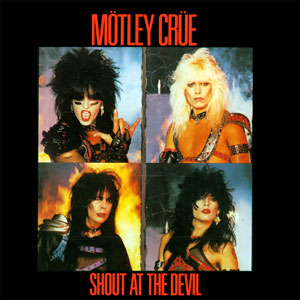
(November 2020) Episode 296 of the “opus project” is MÖTLEY CRÜE. They stood out from the hair metal crowd by pushing all the buttons: a mix of cock rock, double kick pedal thrashers and power ballads, a party/bad boy reputation they more than lived up to, Hollywood glam, theatrics, a devil name-drop, and of course the umlauts.
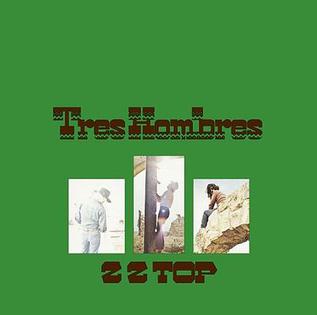
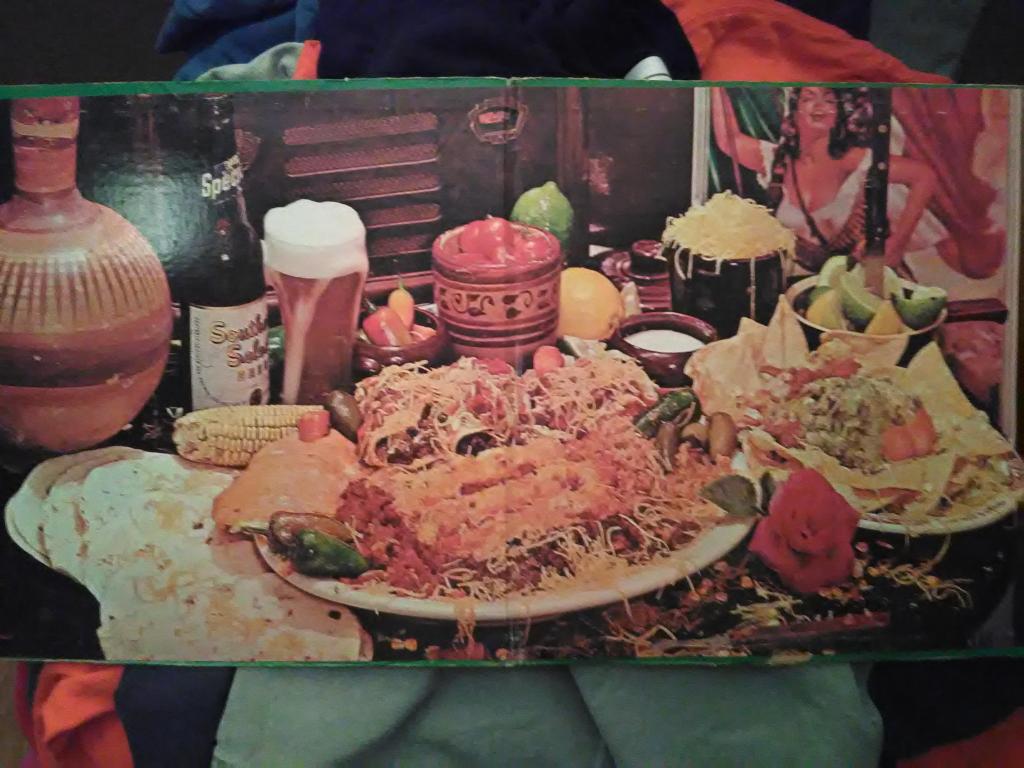
Episode 294 is ZZ TOP. There are tons of boogie-blues bands out there, but none finer than ZZ Top, who stand out with their tight, top-notch musicianship, wry lyrics and proclivity for funky grooves. While their 80s synth- and gated drum-laden songs and videos were their height of popularity, I prefer the Texas BBQ-drenched 70s classics we grew up on, like “Cheap Sunglasses.” I still chuckle that Frank Beard is the only member without a beard.
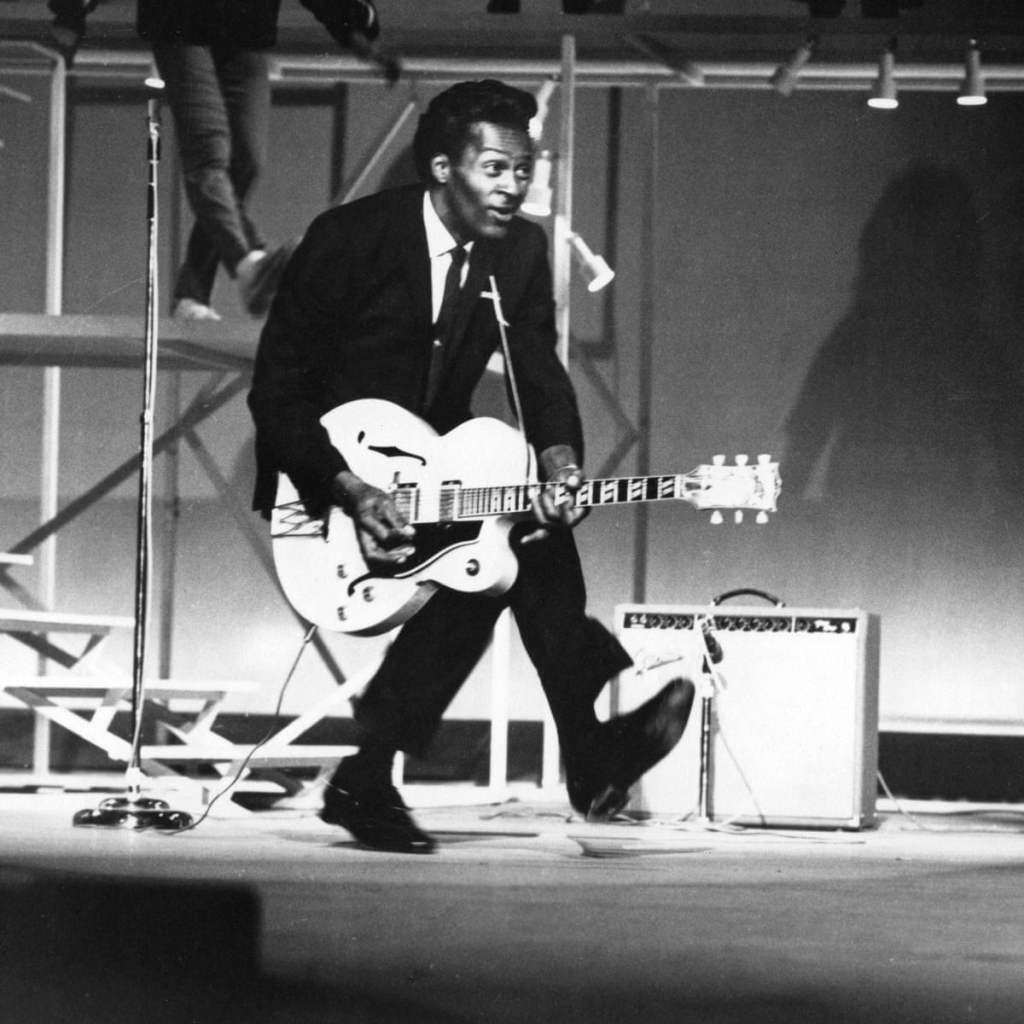
Episode 292 is CHUCK BERRY. Of the Founders of Rock ‘n Roll, he is the most important. He cemented the guitar as its primary idiom, not only for the intro and the solo, but as an essential lyrical element on par with voice (see: “School Days”). Plus, his antics and teen-focused, innuendo-filled lyrics set the form and attitude of rock. Like his fellow Founders, his early hits are the essential stuff, and the subsequent albums are largely redundant, unless you really love old-timey rock ‘n roll. But to his credit, he never departed from his commitment to it (as in, he never had a disco phase).
Episode 291 of the “opus project” is DREAM SYNDICATE. I did this episode because they are identified with the Paisley Underground and emerged from my college town, and on the strength of the Lou Reed-flavored initial EP. But the mid-80s albums sound little better than a strained-voice, strum-beat bar band. The reformed band’s recent three albums are OK.
(October 2020) Episode 288 is THE THREE O’CLOCK. I’m surprised I never got into deeper the Paisley Underground (beyond The Bangles), but The Three O’Clock is a good place to start. The first 3½ albums are quality Brit-philic power pop, but the last two are synth pop abominations. Quercio’s voice can get a bit too twee.
(September 2020) Episode 283 is THE SOFT MACHINE. Not well known, but quite influential as one of the first prog -rock and jazz-rock bands. This UK outfit started out as a 60s psychedelic band, and their debut album is my favorite. “Third” is one of the definitive prog albums, but they didn’t linger long in that genre, moving on to jazz fusion. There are many spinoffs, but I only did the albums under The Soft Machine name.
(September 2020) Episode 281 is PATTI SMITH. I don’t get it. I know people love her as the poet laureate of punk rock. But I find her music to be pedestrian and her singing voice affectation to be off-putting.
(August 2020) Episode 280 is OS MUTANTES. What do you get when you combine psychedelic rock, weirdness and Brazilian rhythms? Pure awesomeness. Added bonus: they used their music to subvert the Brazilian military dictatorship. I’ve known them for a couple decades, but this review confirms them as one of my favorite bands of the 1960s. Amidst lineup changes, they did a couple of prog albums (not bad) in the 1970s and a couple reunion recordings (just ok) in recent years.