543. Bedřich Smetana

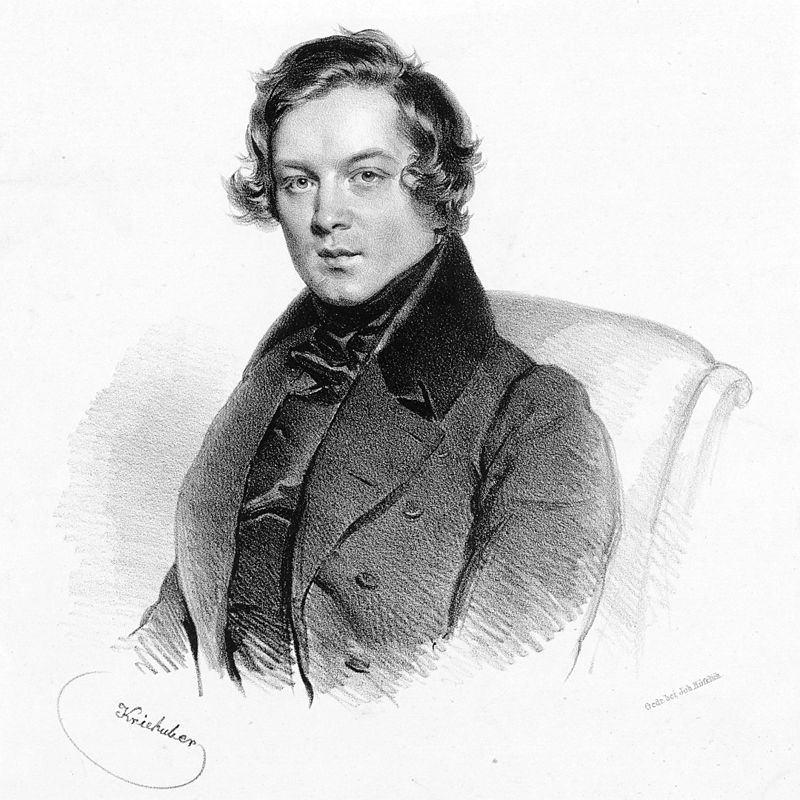
(January 2023) Episode 543 is BEDŘICH SMETANA. I began this episode when I was in the Czech Republic, where he is one of their national musical heroes. He lived and composed in the mid-19th century at a time of national awakening. Harvesting local folk themes, Smetana’s music became both an expression of and inspiration for Czech (Bohemian) nationalism within the Austro-Hungarian Empire. His compositions had a balanced range from opera to orchestral to chamber to piano. They are firmly in the Romantic style which, to be honest, I am finding rather tedious as I slog through this project. He may be the last Romantic composer I get to for a long while.

Favorite piece (orchestral): Má Vlast

Favorite chamber piece: Piano Trio

Favorite Opera: The Bartered Bride

Favorite solo piano piece: Czech Peasants’ Festival (La fête des paysans bohémiens)

Compared to expectations: same

Recommendation: It’s … fine. But all Romantic composers now sound the same to me.
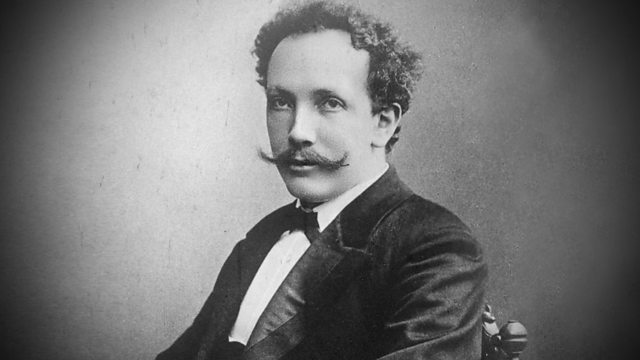
507. Richard Strauss

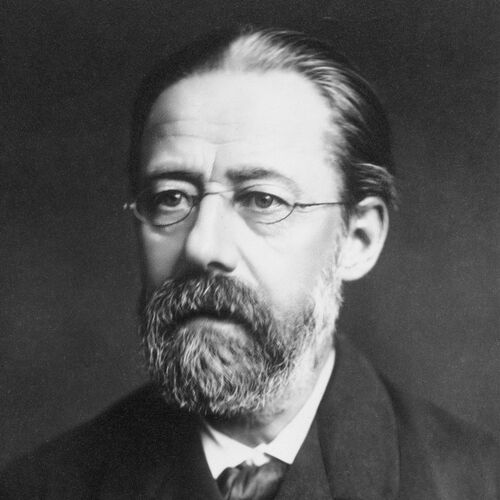
(July 2023) Episode 507 is RICHARD STRAUSS. Most know him from the opening to Also sprach Zarathustra used in the film “2001: A Space Odyssey,” one of the many tone poems for which he is known.  He lived a long life and his output was so voluminous he was considered a specialist in many forms, from songs to operas.  My favorite pieces are his choral works, containing enough dissonance to keep me interested.  His style was Romantic, maintained for decades after the style went out of fashion (he died in 1949), although he did incorporate modernist elements.

Favorite piece: Metamorphosen

Favorite choral piece: Deutsche Motette

Favorite tone poem: Also sprach Zarathustra

Favorite chamber piece: Two Pieces for piano quartet

Favorite opera: Elektra

Compared to expectations: same

Recommendation: It’s not bad, but there’s also nothing that grabs you, and there are many first-half-of-the-20th-century composers I would pick first

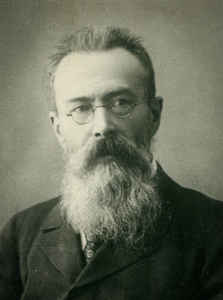
371. Nikolai Rimsky-Korsakov

(December 2021) Episode 371 is NIKOLAI RIMSKY-KORSAKOV. One of the members of the Russian composer version of the Rat Pack, he is considered a master of symphonic orchestration, including the well-known “Scheheradaze.”  He is also known for his operas which incorporate folk and supernaturalism — you’ll recognize the tunes “Procession of the Nobles” and “Flight of the Bumblebee.” His compositions are not soiled by the sappy string sounds that characterize others like Tchaikovsky. 

Favorite piece: Scheheradaze

Favorite opera: The Legend of the Invisible City of Kitezh

Compared to expectations: same

Recommendation: a solid choice among romantic-era Russian composers

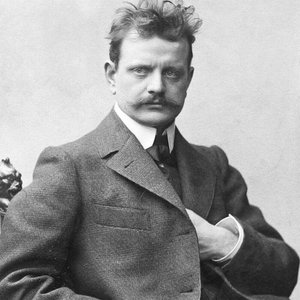
309. Jean Sibelius

(January 2021) Episode 295 of the “opus project” is JEAN SIBELIUS. A national hero of Finland in part because his music promoted Finnish nationalism.  He is best known for his symphonies, which I like.  Yet overall, his compositions remained committed to a romantic aesthetic as most of his contemporaries had moved on to modernist and experimental approaches, so that makes him less interesting to me.

Favorite piece: Symphony #5

Favorite smaller orchestral piece: Finlandia

Compared to expectations: ↓

295. Modest Mussorgsky

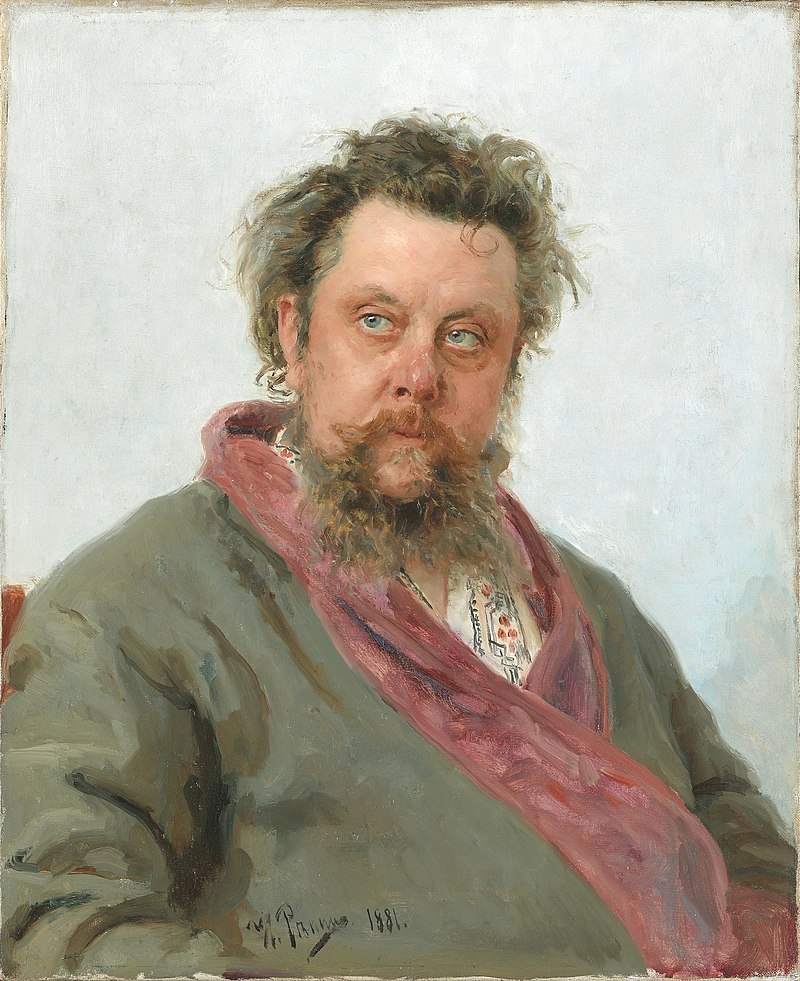
(October 2020) Episode 295 is MODEST MUSSORGSKY.  Composer of the well-known Pictures at an Exhibition, Night on Bald Mountain and Boris Gudonov (but that’s about all you need to know).  One of a group of Russian romantics who incorporated Russian national aesthetics (although not subversively aimed at national liberation, as contemporaries from other nations did), Mussorgsky did not leave a large oeuvre as he held a day job, was an alcoholic and died young.

Favorite piece: Night on Bald Mountain

Compared to expectations: same

An absolute unit.

286. Frédéric Chopin

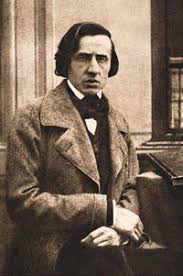
(October 2020) Episode 286 is FRÉDÉRIC CHOPIN. Mr. Piano’s technical wizardry was balanced by delicate textures and melodic harmonies, inventing ways a piano could telling a musical story.  The intimacy of his works contrasts with the over-wrought flourishes that can burden Romantic-era music.  His dedication to composing almost exclusively on piano (avoiding operas, cantatas, lieder, etc.) is commendable and refreshing, and made for an enjoyable episode.

Favorite piece: Piano Sonata #2 (including the famous “Funeral March”)

Favorite small piano piece: Polonaise in A♭ major (“Heroic”)

Favorite orchestral piece: Concerto for Piano and Orchestra No. 2

Compared to expectations: same

278. Franz Liszt

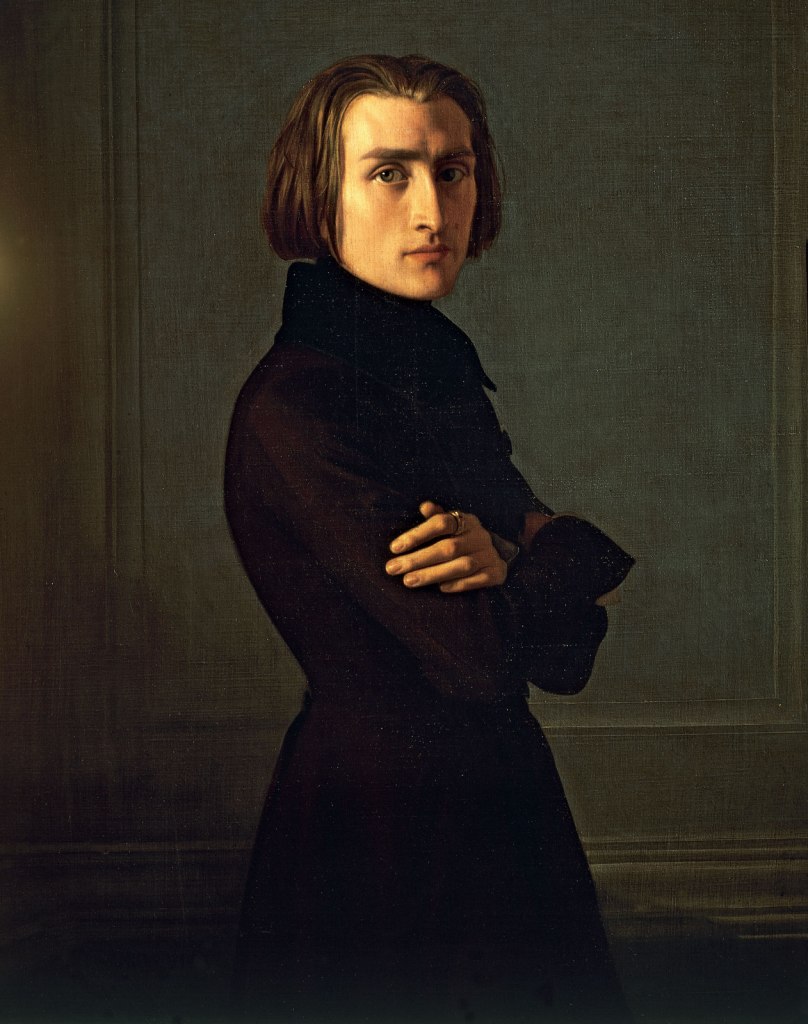
(August 2020) Episode 278 is FRANZ LISZT. Known as both the Greatest Pianist and Greatest Showman of his time. His technical wizardry and force on the piano secure his influential place in musical history, but I wonder whether his reputation as an entertainer serves to inflate his reputation as a composer. Or maybe that’s just my bias against Romantic-era music showing through.  He was very prolific — it’s amazing he had any time left for the ladies — composing in all forms and with countless arrangements of his own and others’ works. 

Favorite piece: Piano Sonata In B Minor

Favorite orchestral piece: Faust Symphony (it’s big!)

Favorite suite: Hungarian Rhapsodies (esp. #2, I prefer the orchestrated versions)

Favorite little piano piece: Ballade #1

Favorite choral work: Hungarian Coronation Mass

Compared to expectations: ↓

258. Clara Schumann

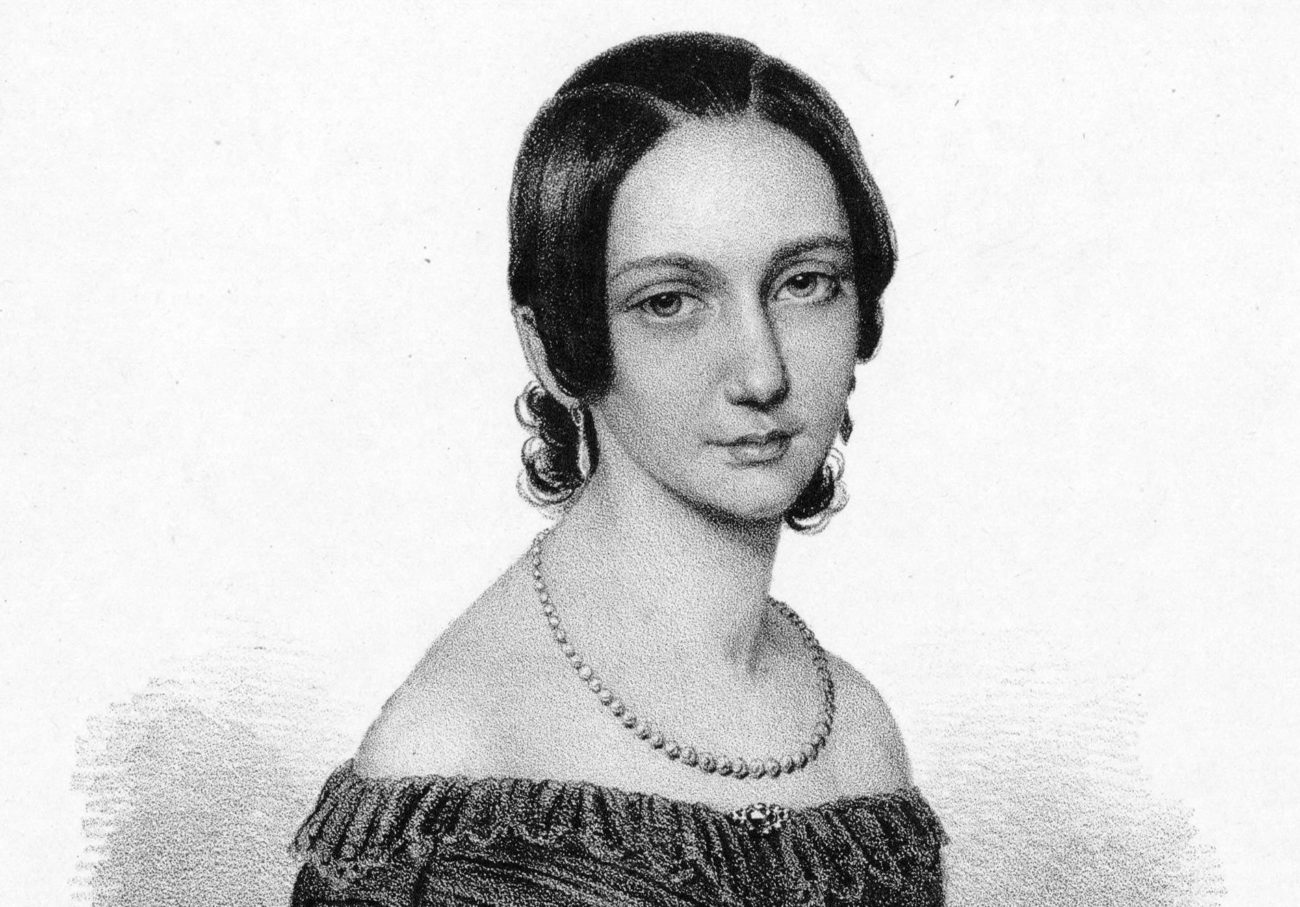
(March 2020) Episode 258 of the “opus project” is CLARA SCHUMANN.  I realize I haven’t covered a woman classical composer yet, so it makes sense to do Clara right after her husband Robert.  A child prodigy and piano genius, her greatest fame was from concert performances, but she did some fine composing in her youth.

Favorite piece: Piano Trio in G Minor

Compared to expectations: same

ClaraSchumannGebWieck-e1568378209369

257. Robert Schumann

(March 2020) Episode 257 is ROBERT SCHUMANN.  Another solid and dependable Romantic-era composer, although apologies if I confuse his works with those of Schubert and Mendelssohn.  Actually, I might put him a notch below them because of his aversion to big-form pieces (symphonies and concertos) that I prefer.  Lots of pretty piano pieces to enjoy, and melodic songs in German if that’s your thing.

Favorite piece: Symphony #4

Favorite choral piece: Requiem

Compared with expectations: same

Robert_Schumann_1839