412. Ravi Shankar

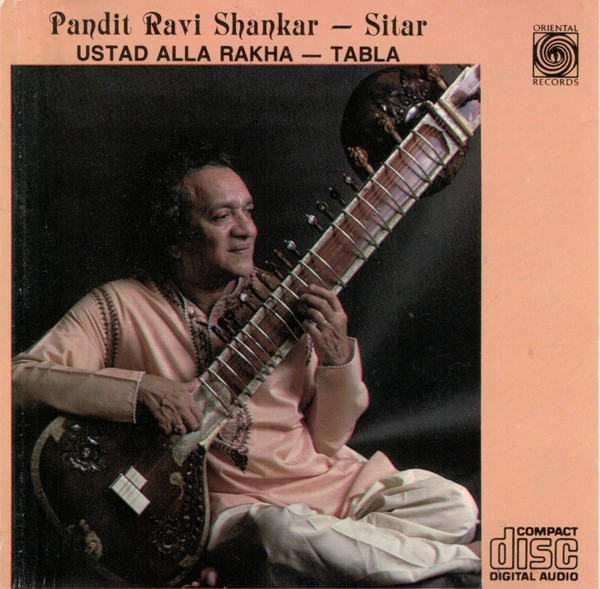
Episode 412 is RAVI SHANKAR. For most of us he is the introduction, if not our only exposure, to Indian classical music, usually through George. I don’t know enough about Indian classical music, with its complexities and philosophic roots, to assess Shankar’s place in it, but he is celebrated, even if derided by purists for collaborating with western musicians. But I love the music, all of it. 

Favorite album: The Genius of Ravi Shankar

Favorite song: Raga Miyan Ki Malhar

Favorite crossover piece: Concerto for Sitar and Orchestra

Compared to expectations: same

Recommendation: a strong yes

399. Anna Clyne

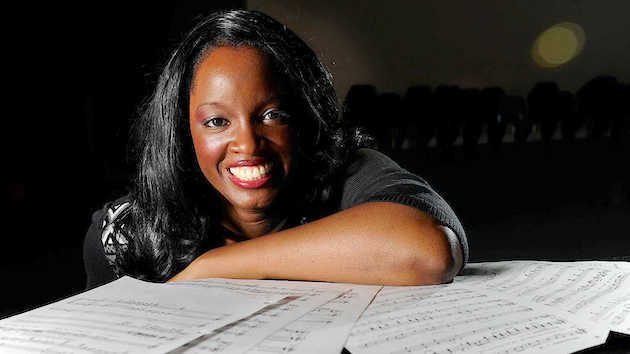
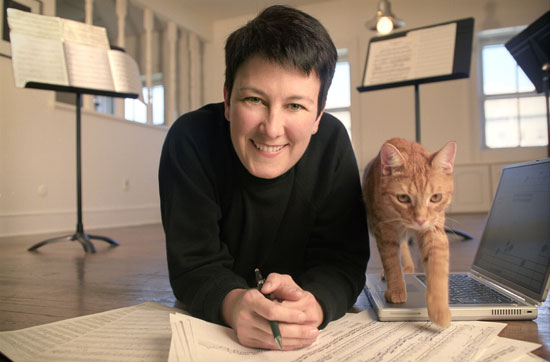
Episode 399 is ANNA CLYNE. A London-born, U.S.-based composer whose music covers a range of contemporary styles, from big boisterous sounds of conventional contemporary to unsettling moody works (I don’t know yet what to label this style) I associate with her mentor Julia Wolfe and others. The instrumentation and arrangements are mostly conventional with some electronic elements thrown in.

Favourite album: The Violin

Favourite piece: Within Her Arms

Favourite solo piece: Rest These Hands

Compared to expectations: ↑

Recommendation: an enthusiastic yes

397. Carl Philipp Emanuel Bach

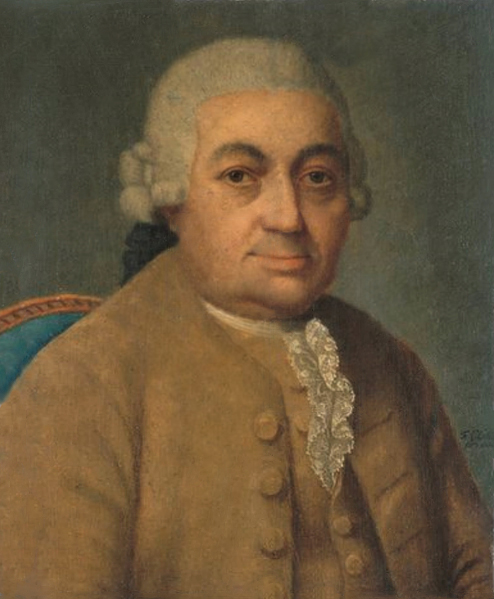
(April 2022) Episode 397 is CARL PHILIPP EMANUEL BACH. His music bridged the era between high baroque, represented by his father J.S., and the classical era of Haydn, Mozart and Beethoven, all of whom were inspired by C.P.E.  He was known for being inventive, even quirky, but to my 21st Century ear it can come off as unexciting. Perhaps he unfairly suffers by comparison, falling between my favorites: Bach’s mathematical beauty and Beethoven’s passionate lyricism.  He was quite prolific, with almost 900 works to his name (of which I captured about three-quarters, which took 10 weeks), many of which featured the relatively new piano.

Favorite piece: Cello Concerto in A major (H. 439)

Favorite keyboard sonata: C major (H. 163)

Favorite keyboard concerto: F major (H. 470)

Favorite symphony: E flat major (H. 654)

Favorite trio sonata: G major (H. 583)

Favorite short piano piece: L’Aly Rupalic in C Major

Compared to expectations: same

Recommendation: it’s a pleasant listen but won’t get you out of your chair

382. Jennifer Higdon

(January 2022) Episode 382 is JENNIFER HIGDON. An award-winning contemporary composer with a catalogue of excellent works for string and wind. She’s somewhat more conventional (in form and sound, as in more tonal) than some of the other 21st century composers I’ve explored recently – with works more tailored for concert bands than for mixed media installations.

Favorite piece: Concerto for Orchestra

Favorite chamber piece: Sky Quartet

Compared to expectations: same

Recommendation: yes for the orchestral pieces

378. Joaquín Rodrigo

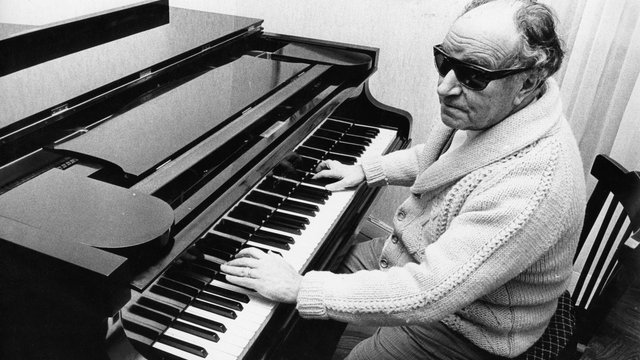
(January 2022) Episode 378 is JOAQUÍN RODRIGO. You’ll recognize him from the main theme of Concierto De Aranjuez (used by Miles Davis, Chick Corea), a piece that sentimentally evokes a Spanish pastoral landscape. He elevated the guitar in classical repertoire, and it is my favorite part of his works, although amazingly he never mastered the instrument. Also amazing: he was blind and composed in Braille. 

Favorite piece: Concierto De Aranjuez

Favorite solo guitar piece: Toccata para guitarra

Favorite solo piano piece: Cinco Sonatas de Castilla

Compared to expectations: same

Recommendation: Strongly recommend the guitar works

374. Anna Thorvaldsdóttir

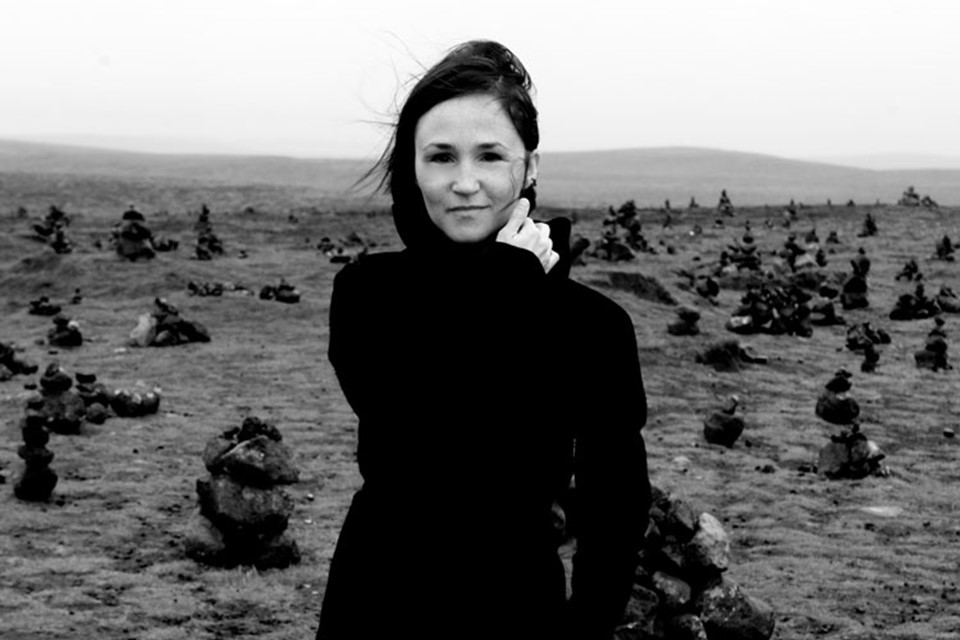
(December 2021) Episode 374 is ANNA THORVALDSDÓTTIR. Her compositions are like ecosystems of sound, evocative of nature and landscapes – a description you will understand if you’ve been to her native Iceland.  Her music is direct and powerful, often unsettling, and sometime includes electronic and visual elements in an avant-garde approach.

Favorite piece: Aequilibria

Favorite solo piece: Sola

Favorite ensemble piece: Spectra

Favorite vocal piece: Ad Genua

Compared to expectations: ↑

Recommendation: yes

371. Nikolai Rimsky-Korsakov

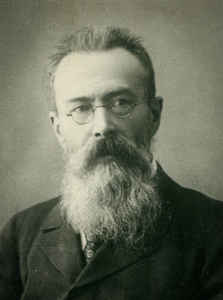
(December 2021) Episode 371 is NIKOLAI RIMSKY-KORSAKOV. One of the members of the Russian composer version of the Rat Pack, he is considered a master of symphonic orchestration, including the well-known “Scheheradaze.”  He is also known for his operas which incorporate folk and supernaturalism — you’ll recognize the tunes “Procession of the Nobles” and “Flight of the Bumblebee.” His compositions are not soiled by the sappy string sounds that characterize others like Tchaikovsky. 

Favorite piece: Scheheradaze

Favorite opera: The Legend of the Invisible City of Kitezh

Compared to expectations: same

Recommendation: a solid choice among romantic-era Russian composers

367. Meredith Monk

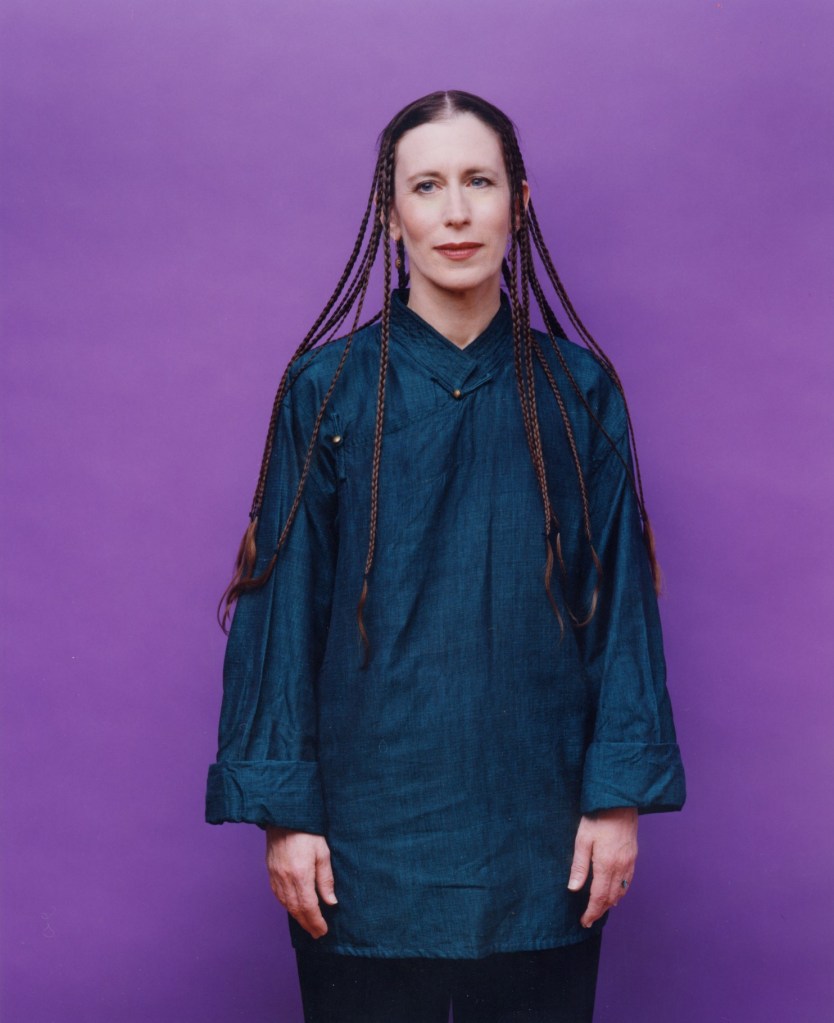
(November 2021) Episode 367 is MEREDITH MONK. While a full appreciation of her multi-disciplinary art would include theater, film and dance, I focused only on the music, but even that is quite diverse. Most notable is her expansive exploration of vocal techniques, asserting the human voice as its own versatile instrument. But there is also plenty of solo piano and stringed chamber pieces with a minimalist vibe.

Favorite album: Songs of Ascension

Favorite opera: Atlas

Favorite instrumental work: Stringsongs

Favorite vocal work: Three Heavens and Hells

Compared to expectations: ↑

Recommendation: Yes for those who appreciate the avant-garde

363. Pierre Boulez

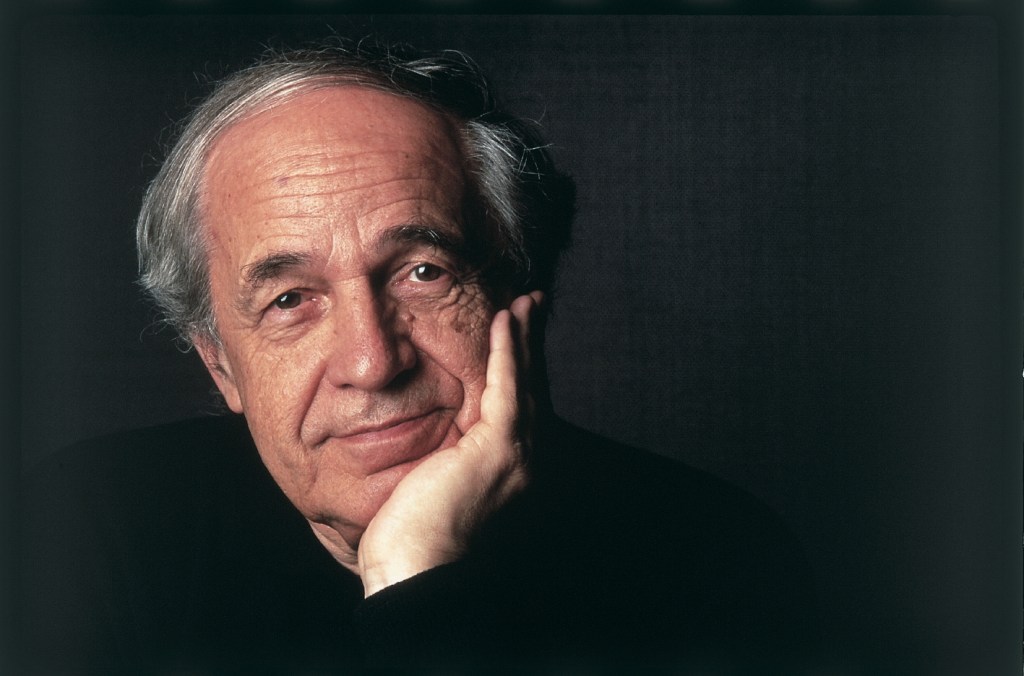
(October 2021) Episode 363 is PIERRE BOULEZ. I first learned of Boulez through Frank Zappa, who said he was his favorite composer.  You can hear his ideas imprinted on much of Zappa’s more ambitious work. Boulez was acclaimed as a serialist composer, but also as a writer, institute founder and conductor, including of Zappa compositions.

Favorite piece: Répons

Compared to expectations: ↑

Recommendation: Yes, if you like to expand with serialism and similar forms

354. Béla Bartók       

(September 2021)

Episode 354 of the “opus project” is BÉLA BARTÓK. A solid and important composer of the early 20th Century, and one of the famous two Hungarian pianists (along with Lizst), but was less avant-garde than I had expected. He sought out and composed folk songs from many traditions in central Europe, foreshadowing the field of ethnomusicology.

Favorite piece: Violin Concerto No. 2

Favorite chamber piece: Sonata for two pianos and percussion

Favorite stage work: The Miraculous Mandarin

Compared to expectations: same

Recommendation: if you are exploring composers of the early 20th century, there are many to get to before him