371. Nikolai Rimsky-Korsakov

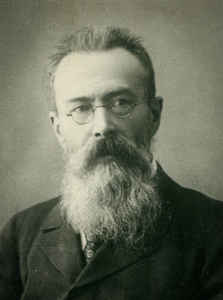
(December 2021) Episode 371 is NIKOLAI RIMSKY-KORSAKOV. One of the members of the Russian composer version of the Rat Pack, he is considered a master of symphonic orchestration, including the well-known “Scheheradaze.”  He is also known for his operas which incorporate folk and supernaturalism — you’ll recognize the tunes “Procession of the Nobles” and “Flight of the Bumblebee.” His compositions are not soiled by the sappy string sounds that characterize others like Tchaikovsky. 

Favorite piece: Scheheradaze

Favorite opera: The Legend of the Invisible City of Kitezh

Compared to expectations: same

Recommendation: a solid choice among romantic-era Russian composers

367. Meredith Monk

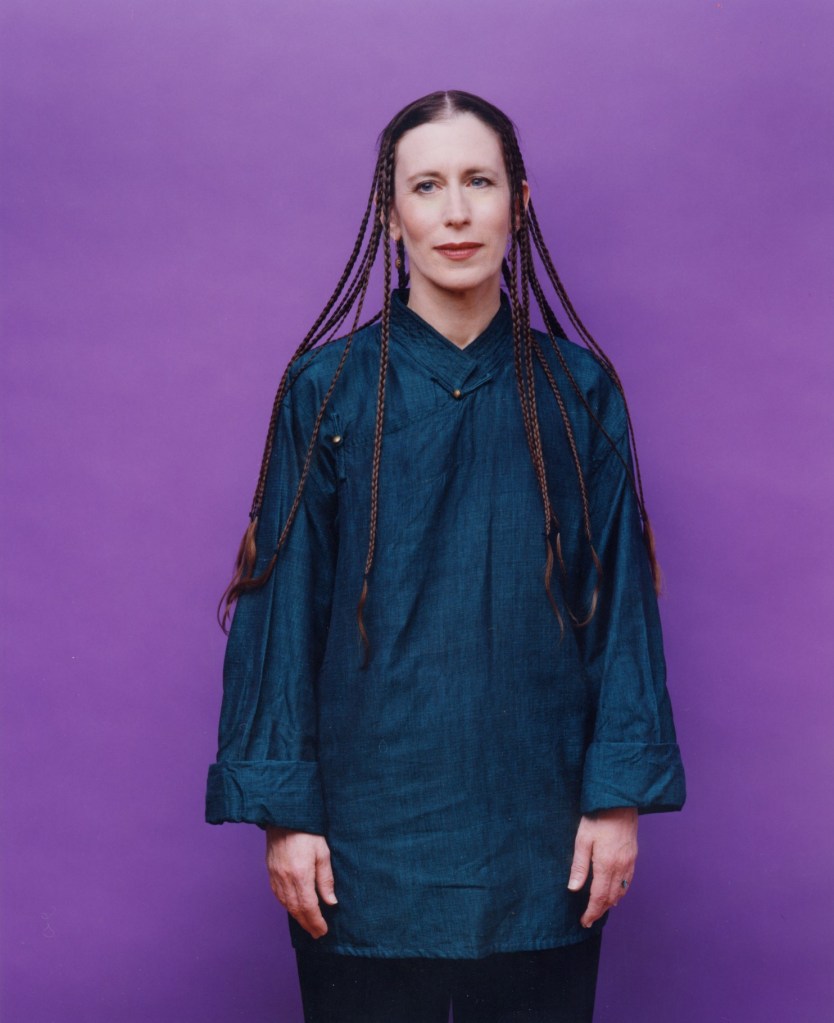
(November 2021) Episode 367 is MEREDITH MONK. While a full appreciation of her multi-disciplinary art would include theater, film and dance, I focused only on the music, but even that is quite diverse. Most notable is her expansive exploration of vocal techniques, asserting the human voice as its own versatile instrument. But there is also plenty of solo piano and stringed chamber pieces with a minimalist vibe.

Favorite album: Songs of Ascension

Favorite opera: Atlas

Favorite instrumental work: Stringsongs

Favorite vocal work: Three Heavens and Hells

Compared to expectations: ↑

Recommendation: Yes for those who appreciate the avant-garde

363. Pierre Boulez

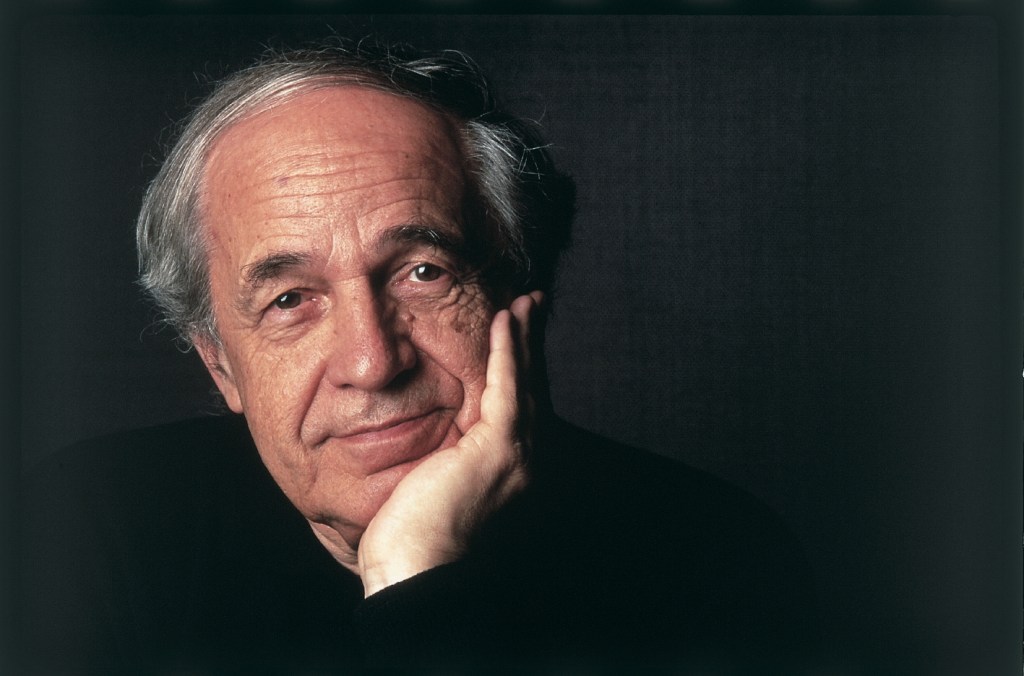
(October 2021) Episode 363 is PIERRE BOULEZ. I first learned of Boulez through Frank Zappa, who said he was his favorite composer.  You can hear his ideas imprinted on much of Zappa’s more ambitious work. Boulez was acclaimed as a serialist composer, but also as a writer, institute founder and conductor, including of Zappa compositions.

Favorite piece: Répons

Compared to expectations: ↑

Recommendation: Yes, if you like to expand with serialism and similar forms

354. Béla Bartók       

(September 2021)

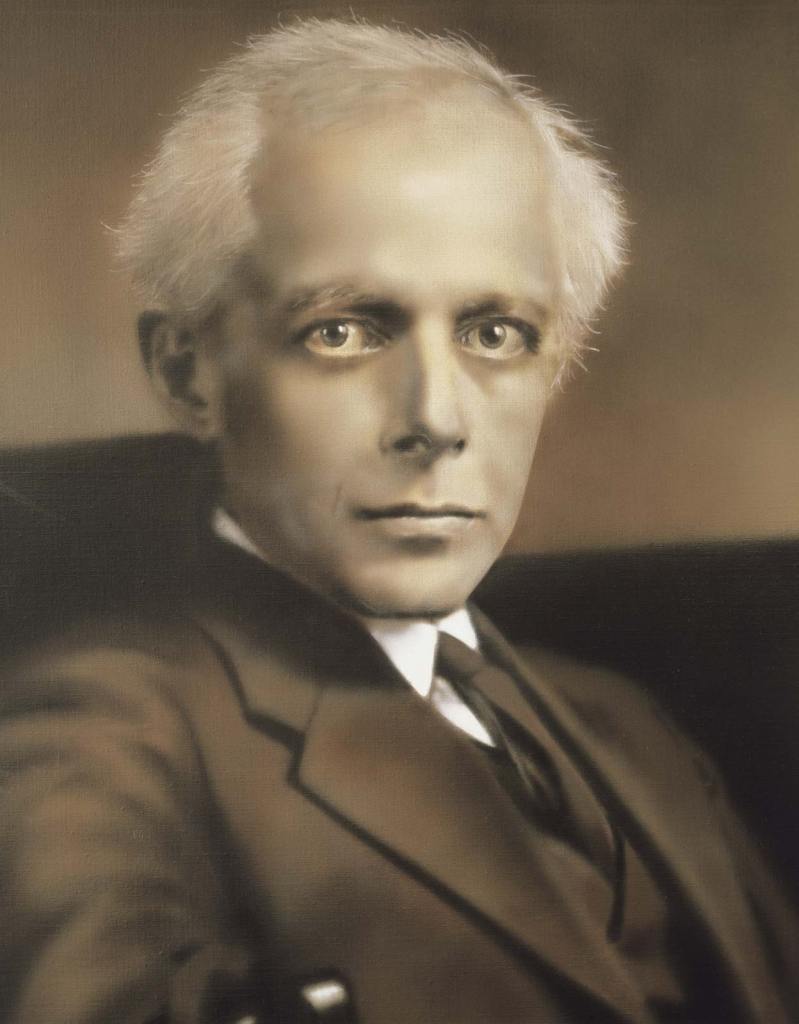
Episode 354 of the “opus project” is BÉLA BARTÓK. A solid and important composer of the early 20th Century, and one of the famous two Hungarian pianists (along with Lizst), but was less avant-garde than I had expected. He sought out and composed folk songs from many traditions in central Europe, foreshadowing the field of ethnomusicology.

Favorite piece: Violin Concerto No. 2

Favorite chamber piece: Sonata for two pianos and percussion

Favorite stage work: The Miraculous Mandarin

Compared to expectations: same

Recommendation: if you are exploring composers of the early 20th century, there are many to get to before him

347. Julia Wolfe

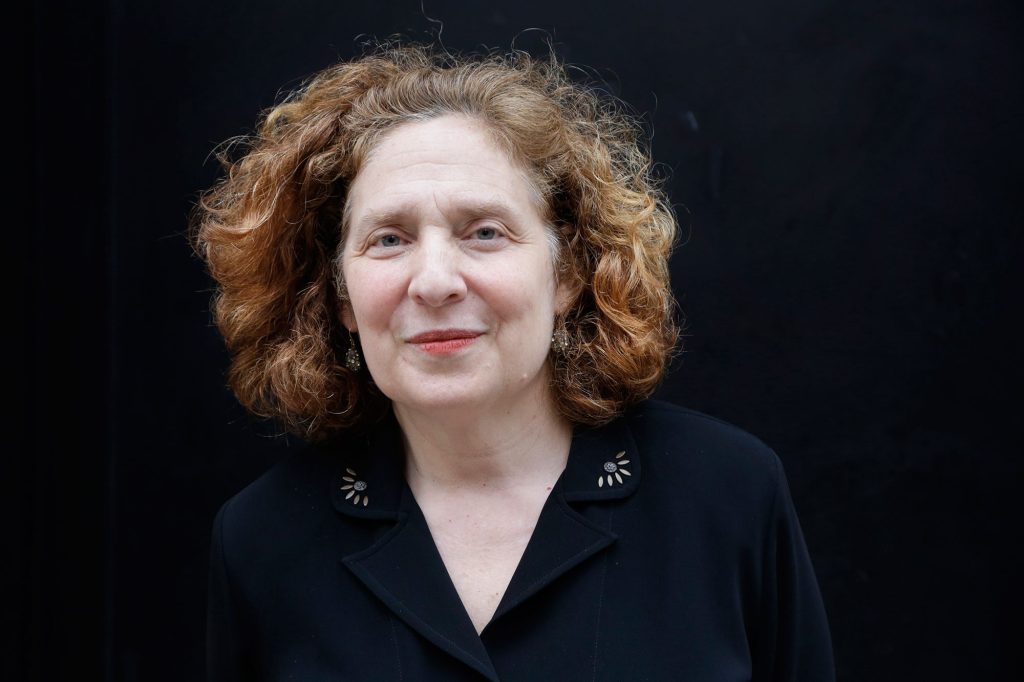
(August 2021) Episode 347 is JULIA WOLFE.  I’ve seen the words “relentless” and “visceral” used to describe her music, and they are apt, and why I love it. There is much diversity and eclecticism in her sounds and styles, in part due to her collaborations in the Bang on a Can partnership, with a strong undercurrent of post-minimalism.  Her compositions feature an abundant lack of convention, offering frequent surprises around each corner.

Favorite piece: Big Beautiful Dark and Scary

Favorite single instrument piece: LAD (bagpipes)

Favorite choral work: Shelter (with Gordon and Lang)

Favorite cello/vocal multimedia freak-out: Spinning

Compared to expectations: ↑

344. Louis Andriessen

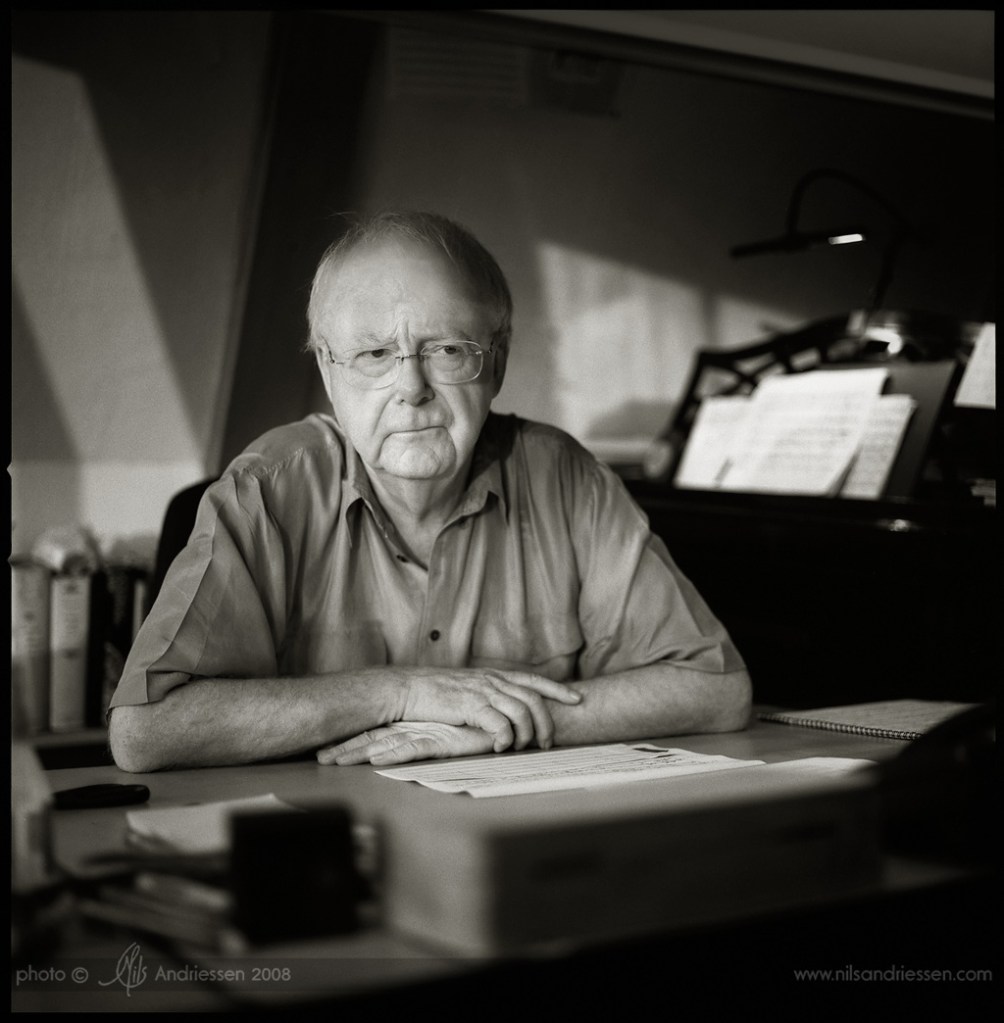
(July 2021) Episode 344 of the “opus project” is LOUIS ANDRIESSEN, another one begun following the artist’s passing. Perhaps the most important modern Dutch composer, Andriessen’s works are like a menu sampler of classic musical genres of the 20th century, from neoclassical to serialism to minimalism, then arriving at a style iconoclastically his own. There is a lot here to choose from, including operas, experimental pieces, odd combinations featuring rock music elements, and quiet little piano pieces. 

Favorite piece: Workers Union

Favorite choral/orchestral piece: De Staat

Compared to expectations: ↑

340. Anton Webern

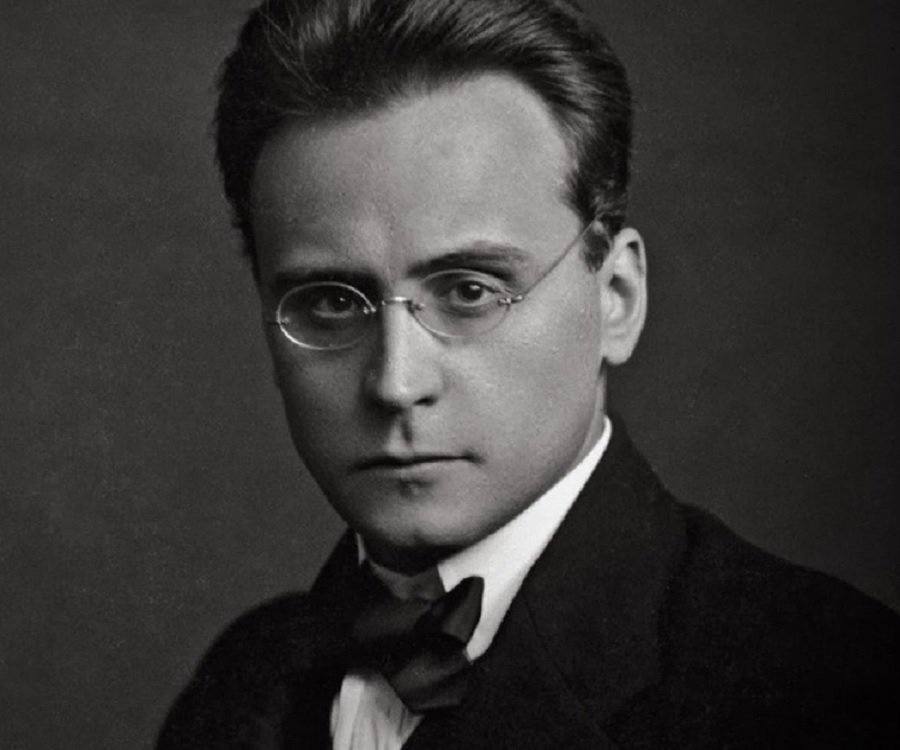
(July 2021) Episode 340 of the “opus project” is ANTON WEBERN. The last for me of the big three of the Second Viennese School of serious serialists. His portfolio isn’t big and he hardly makes it into any repertoires, but he was influential and the music is interesting.

Favorite piece: String Trio

Compared to expectations: same

335. Arvo Pärt

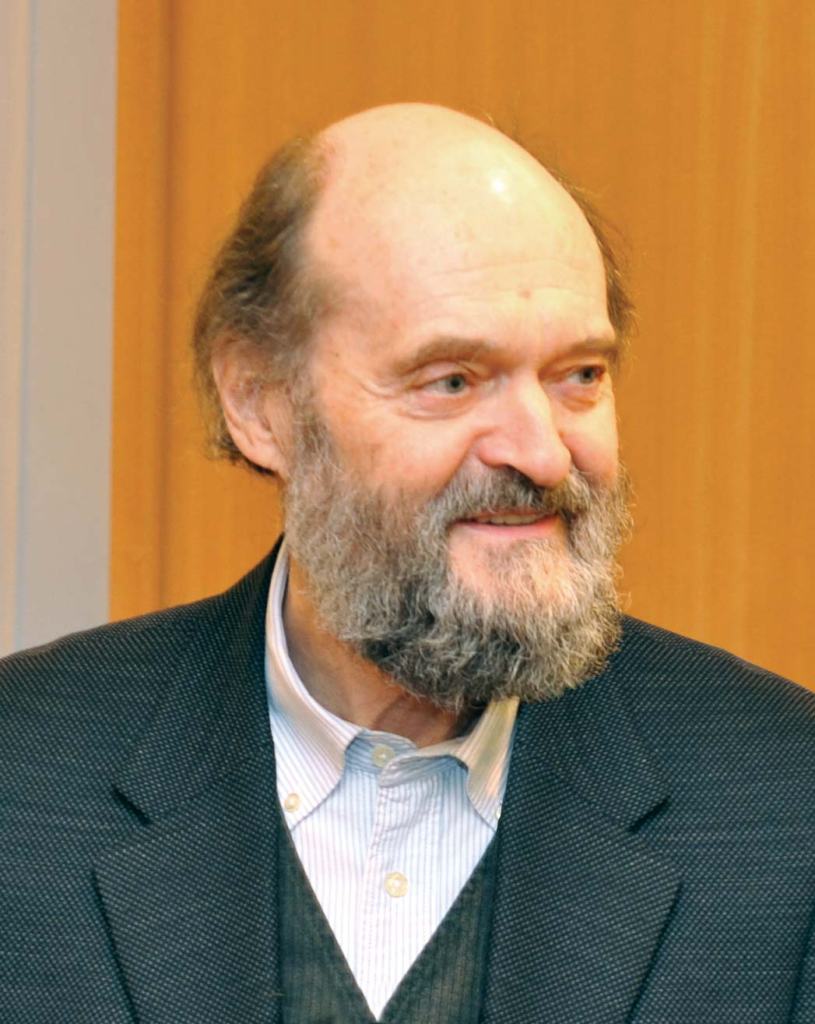
(June 2021) Episode 335 is ARVO PÄRT, maybe the most popular living composer you’ve never heard of.  He started out in neo-classical and serialist forms, but then went into seclusion in the early 1970s and came out with a dramatically different approach.  He invented a form called tintinnabuli, of a minimalist aesthetic.  He also focused on choral works, mostly spiritual following study of medieval music and a personal religious conversion, which also forced him to leave the USSR. Much of Pärt’s music sounds meditative and mystical, embodying his spiritual inspirations. 

Favorite piece: Fratres (for violin and piano) 

Favorite choral piece: Stabat Mater

Favorite meditative piece: Spiegel im Spiegel

Compared to expectations: ↑

331. Kaija Saariaho

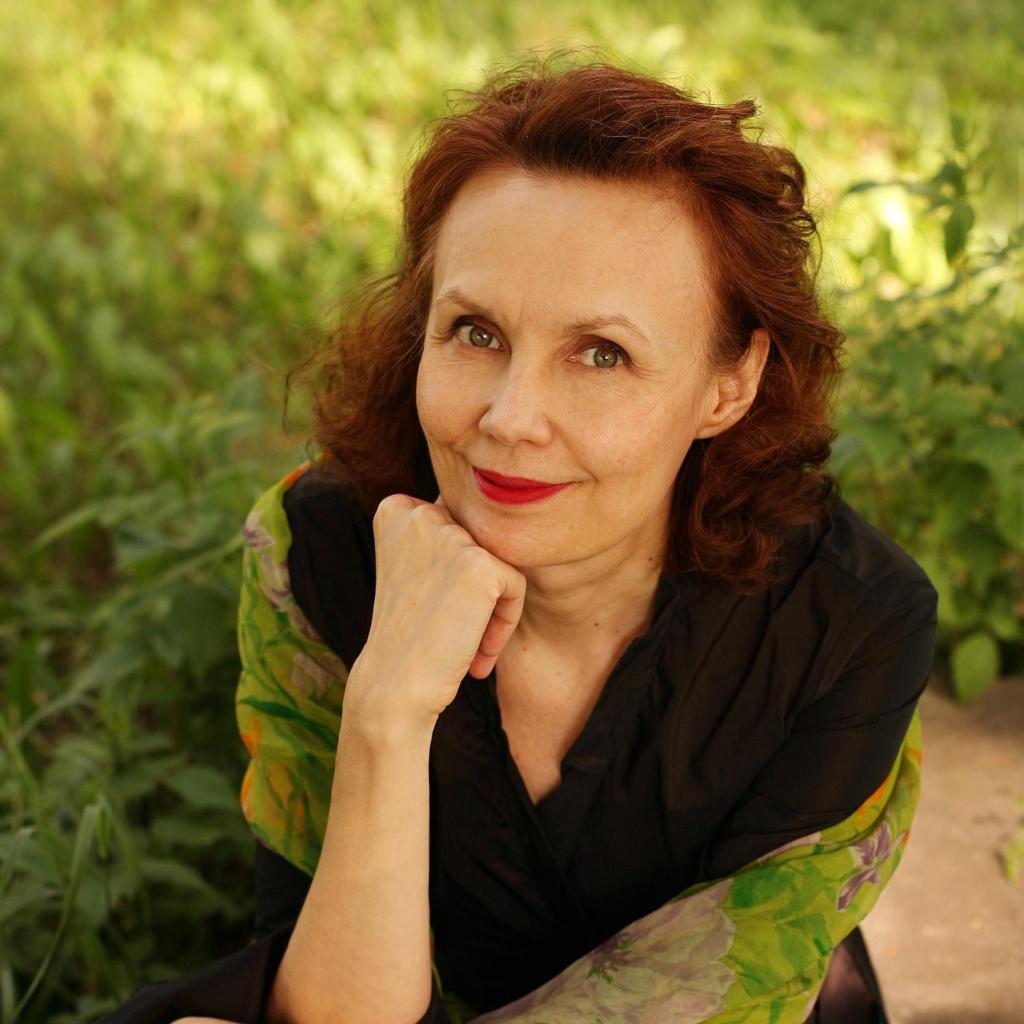
(May 2021) Episode 331 is KAIJA SAARIAHO. Saariaho is kind of a throwback, composing in conventional classical forms with conventional instruments, earning commissions and premiering at esteemed venues, rather than venturing into film soundtracks or cross-genre collaborations.  Her music, though, is very modern, with polyrhythms, dissonance and rich masses of sounds.  

Favorite piece: Circle Map 

Favorite concerto: Graal théâtre

Favorite chamber piece: Neiges

Favorite opera: L’Amour de loin

Compared to expectations: same

329. Hildur Guðnadóttir

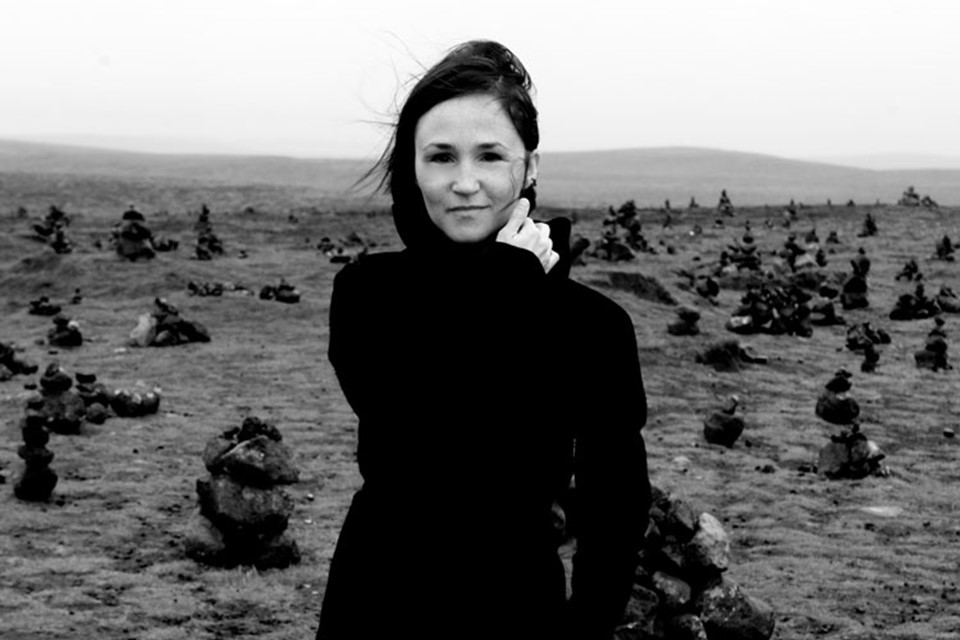
(April 2021) Episode 329 is HILDUR GUÐNADÓTTIR, a contemporary cellist and composer from Iceland.  Her neo-minimalist solo works are my favorite, but she is a frequent collaborator with a wide range of artists from electro-pop to drone metal. Guðnadóttir has focused on soundtracks recently, such as the Chernobyl miniseries and Joker (for which she won an Oscar).  One constant is that most everything in her music seems to resonate off the sober deep tone of a cello.

Favorite solo piece: Leyfðu Ljósinu 

Favorite collaborative album: In Transmediale  (with Angel)

Favorite soundtrack: Chernobyl

Compared to expectations: same