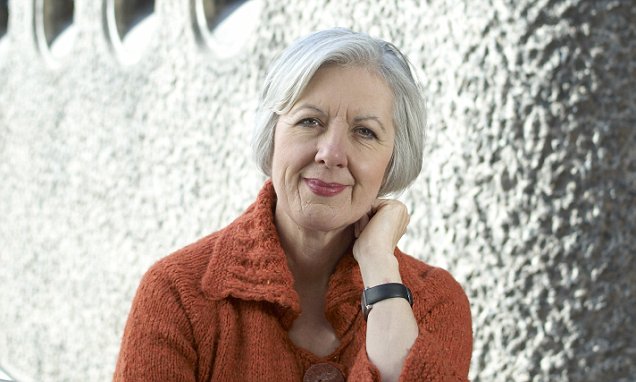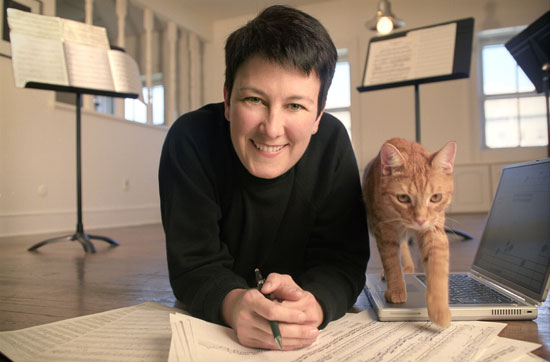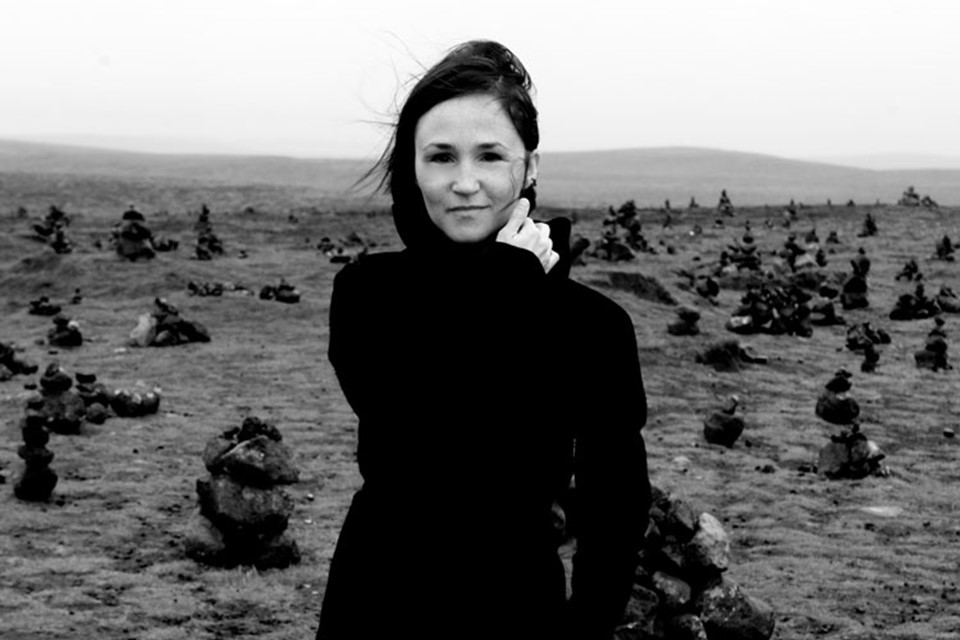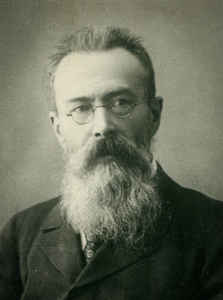
Episode 423 is JUDITH WEIR. A contemporary British composer who serves as the first female Master of the Queen’s Music; for example, she composed the anthem for the Platinum Jubilee. Unlike most contemporaries her style and form are fairly conservative, but I find a lot that is enjoyable. She has penned several operas and parochial songs; I like the chamber pieces best.
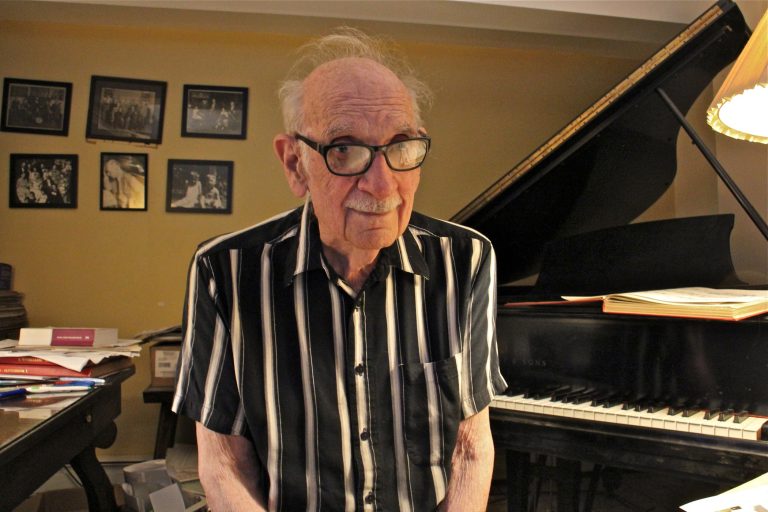
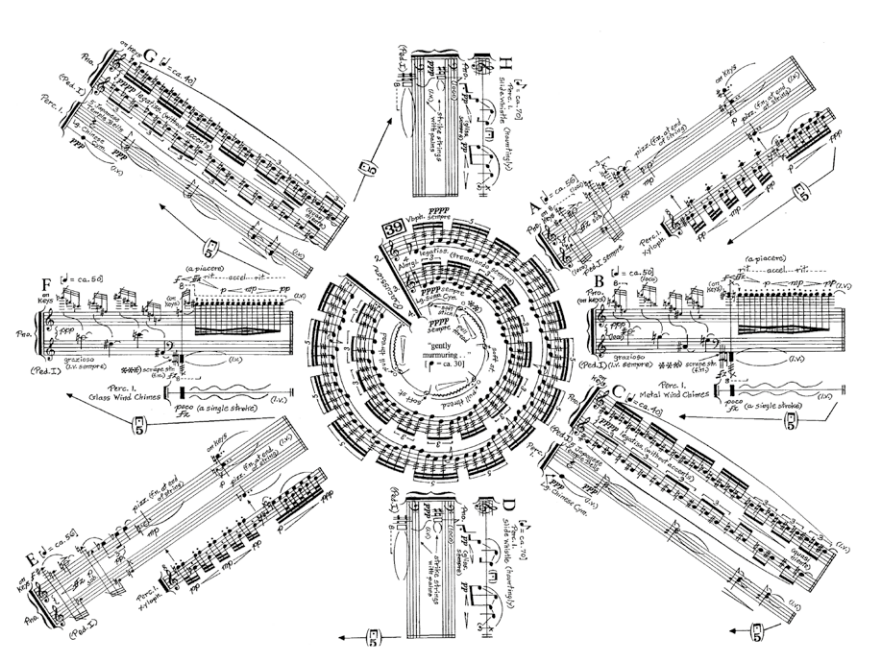
(June 2022) Episode 419 is GEORGE CRUMB. A contemporary American composer (he died earlier this year) known for demanding techniques, both vocal and instrumental, in experimental and avant-garde forms. The far-out nature of his compositions is evidenced in his particular style of notation (see below). It can be an acquired taste, but I enjoy listening to those who expand boundaries.
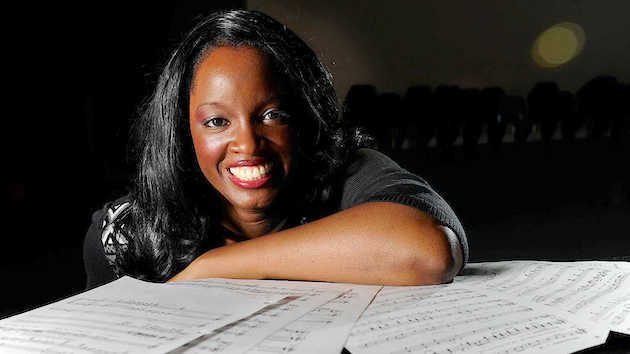
(June 2022) Episode 413 is NKEIRU OKOYE. A contemporary composer mostly of vocal works, including an opera, theatrical pieces and song cycles. A main theme of her works is the African-American experience, both contemporary and historical. While I’m not a fan of the operatic style, I liked the subject matter as well as the chamber works.
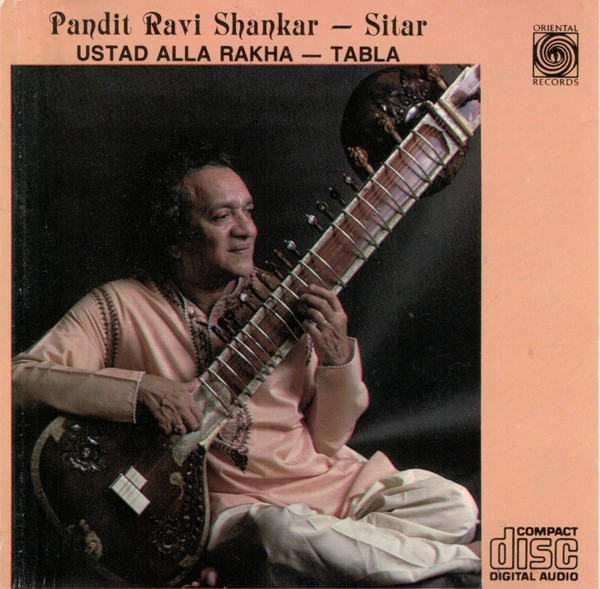
Episode 412 is RAVI SHANKAR. For most of us he is the introduction, if not our only exposure, to Indian classical music, usually through George. I don’t know enough about Indian classical music, with its complexities and philosophic roots, to assess Shankar’s place in it, but he is celebrated, even if derided by purists for collaborating with western musicians. But I love the music, all of it.
Episode 399 is ANNA CLYNE. A London-born, U.S.-based composer whose music covers a range of contemporary styles, from big boisterous sounds of conventional contemporary to unsettling moody works (I don’t know yet what to label this style) I associate with her mentor Julia Wolfe and others. The instrumentation and arrangements are mostly conventional with some electronic elements thrown in.
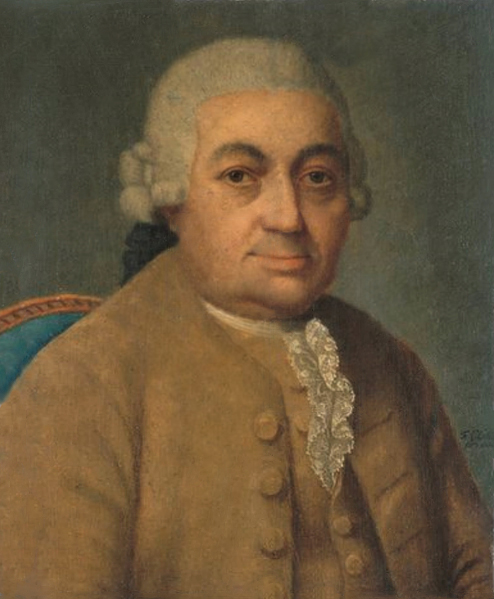
(April 2022) Episode 397 is CARL PHILIPP EMANUEL BACH. His music bridged the era between high baroque, represented by his father J.S., and the classical era of Haydn, Mozart and Beethoven, all of whom were inspired by C.P.E. He was known for being inventive, even quirky, but to my 21st Century ear it can come off as unexciting. Perhaps he unfairly suffers by comparison, falling between my favorites: Bach’s mathematical beauty and Beethoven’s passionate lyricism. He was quite prolific, with almost 900 works to his name (of which I captured about three-quarters, which took 10 weeks), many of which featured the relatively new piano.
(January 2022) Episode 382 is JENNIFER HIGDON. An award-winning contemporary composer with a catalogue of excellent works for string and wind. She’s somewhat more conventional (in form and sound, as in more tonal) than some of the other 21st century composers I’ve explored recently – with works more tailored for concert bands than for mixed media installations.
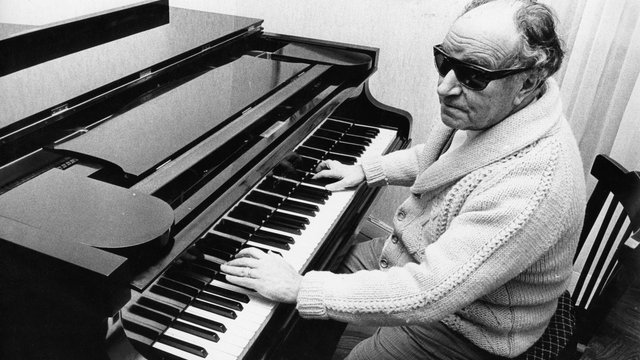
(January 2022) Episode 378 is JOAQUÍN RODRIGO. You’ll recognize him from the main theme of Concierto De Aranjuez (used by Miles Davis, Chick Corea), a piece that sentimentally evokes a Spanish pastoral landscape. He elevated the guitar in classical repertoire, and it is my favorite part of his works, although amazingly he never mastered the instrument. Also amazing: he was blind and composed in Braille.
(December 2021) Episode 374 is ANNA THORVALDSDÓTTIR. Her compositions are like ecosystems of sound, evocative of nature and landscapes – a description you will understand if you’ve been to her native Iceland. Her music is direct and powerful, often unsettling, and sometime includes electronic and visual elements in an avant-garde approach.