258. Clara Schumann

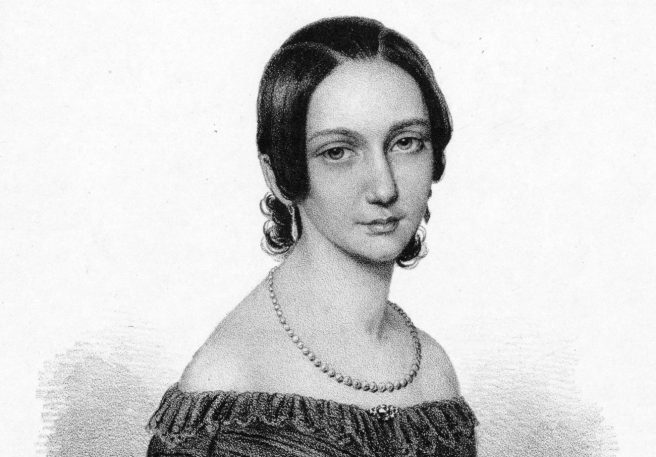
(March 2020) Episode 258 of the “opus project” is CLARA SCHUMANN.  I realize I haven’t covered a woman classical composer yet, so it makes sense to do Clara right after her husband Robert.  A child prodigy and piano genius, her greatest fame was from concert performances, but she did some fine composing in her youth.

Favorite piece: Piano Trio in G Minor

Compared to expectations: same
ClaraSchumannGebWieck-e1568378209369

257. Robert Schumann

(March 2020) Episode 257 is ROBERT SCHUMANN.  Another solid and dependable Romantic-era composer, although apologies if I confuse his works with those of Schubert and Mendelssohn.  Actually, I might put him a notch below them because of his aversion to big-form pieces (symphonies and concertos) that I prefer.  Lots of pretty piano pieces to enjoy, and melodic songs in German if that’s your thing.

Favorite piece: Symphony #4

Favorite choral piece: Requiem

Compared with expectations: same

Robert_Schumann_1839

254. Karlheinz Stockhausen

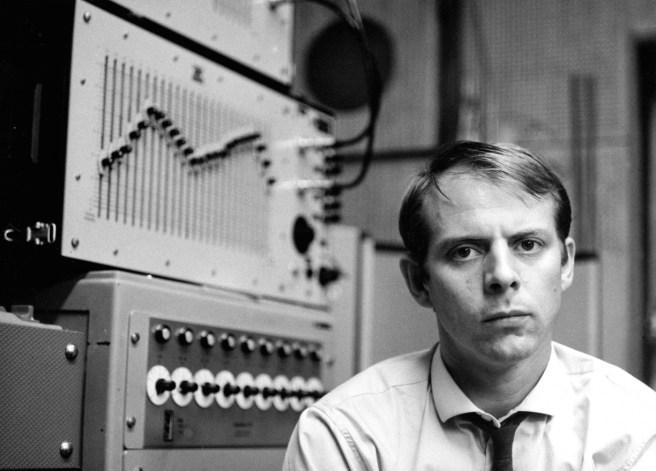
(February 2020) Episode 254 is KARLHEINZ STOCKHAUSEN.  You won’t hear his music at dinner parties, but he’s one of the most important composers and musical theorists of the late 20th century. There is a lot to absorb here: integration of electronic composition, theatricality, mystical themes, and that’s not even counting his theoretical writings.  I was particularly impressed by the ambition of his cycles: “Licht (Light),” cosmic operas on the days of the week, and “Klang (Sound),” expressing a color for each hour of the day.  If I ever have time, I might like to devote myself to a deep study of 20th century musical theory.

Favorite piece: Mittwochs Gruss(“overture” from Wednesday from Light)

Favorite opera: Freitag aus Licht (Friday from Light)

Favorite chamber piece: Adieu

Favorite choral piece: Unsichtbare Chöre

Compared to expectations: same
StockhausenKH-Foto-WDR1


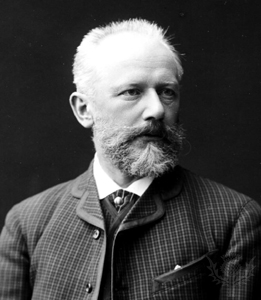
248. Pyotr Ilyich Tchaikovsky

(January 2020) Episode 248 of the “opus project” is PYOTR ILYICH TCHAIKOVSKY.  Mr. Saccharine Strings.  Tchaikovsky is the Queen (band) of classical composers: very talented, wildly popular, played often, but merely gives a sugar (plum) rush that turns out to be empty calories.

Favorite piece: 1812 Overture

Favorite symphony: #5

Favorite balletic theme: Swan Lake

Compared to expectations: ↓

Tchaikovsky-St-Petersburg-Russia-1887

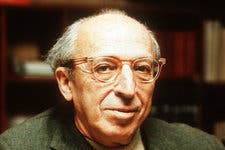
241. Aaron Copland

(December 2019) Episode 241  is AARON COPLAND.  I admit my first exposure was through Emerson, Lake & palmer.  He is deservedly dubbed the “Dean of American Composers” for incorporating American themes and landscapes in his compositions.  I like those, but I prefer his more abstract, modernist works.

Favorite work: Symphony #3

Favorite short piece: Fanfare for the Common Man

Favorite chamber piece: Quartet for Strings

Favorite ballet: Appalachian Spring

Compared to expectations: same

aaron copland

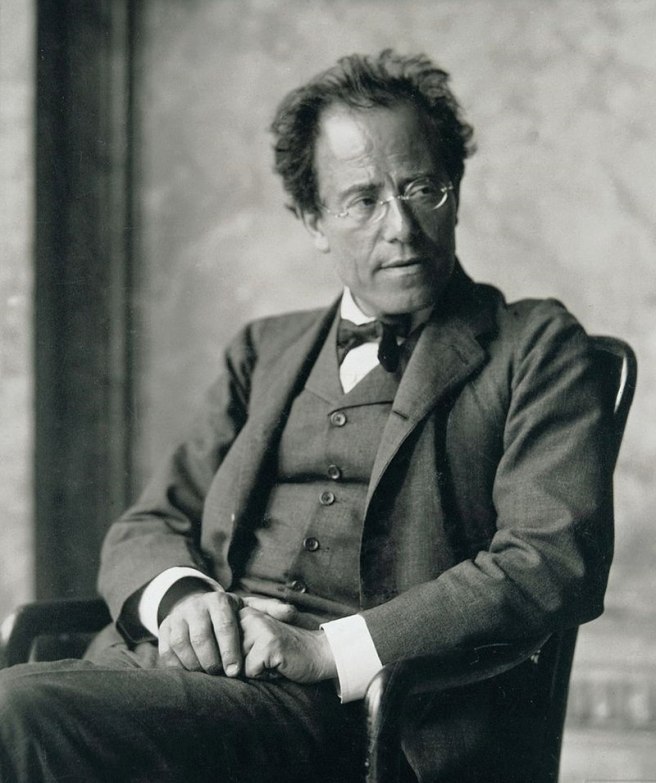
240. Gustav Mahler

(November 2019) Episode 240 is GUSTAV MAHLER.  He composed only songs and symphonies but, wow, what symphonies. Each one is a full course meal with several helpings — like a final culmination of the recipe refined by Beethoven (including the vocal elements), or an opera of his idol Wagner condensed into 75 minutes (without the theatrics).

Favorite piece: Symphony #5

Compared to expectations: same

Mahler

231. Antonín Dvořák

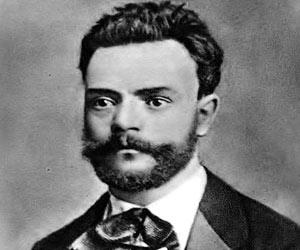
(September 2019) Episode 231 is ANTONÍN DVOŘÁK.  Of the Romantic era but grounded in classical construction, Dvořák was an Everyman who succeeded in a number of forms. His compositions exude strength and confidence.  I favor the symphonies; the most famous one (“New World”) is among the best all-time. A highlight is his integration of folk themes, through which he promoted national patriotism.  Of noteworthy historical interest, the compositions that emerged from his time in the U.S. resulted in the reflection of African American and Native American music back onto American white society (who were not otherwise exposed in a segregated America).

Favorite piece: Symphony #9 (“New World”)

Favorite Chamber piece: String Quartet #12 (“American”)

Favorite folk adaptation: Slavonic Dances

Favorite small piece: Miniatures in G minor

Favorite overture: Carnival

Favorite opera: The Devil and Kate

Compared to expectations: same

antonin dvorak

227. Claude Debussy

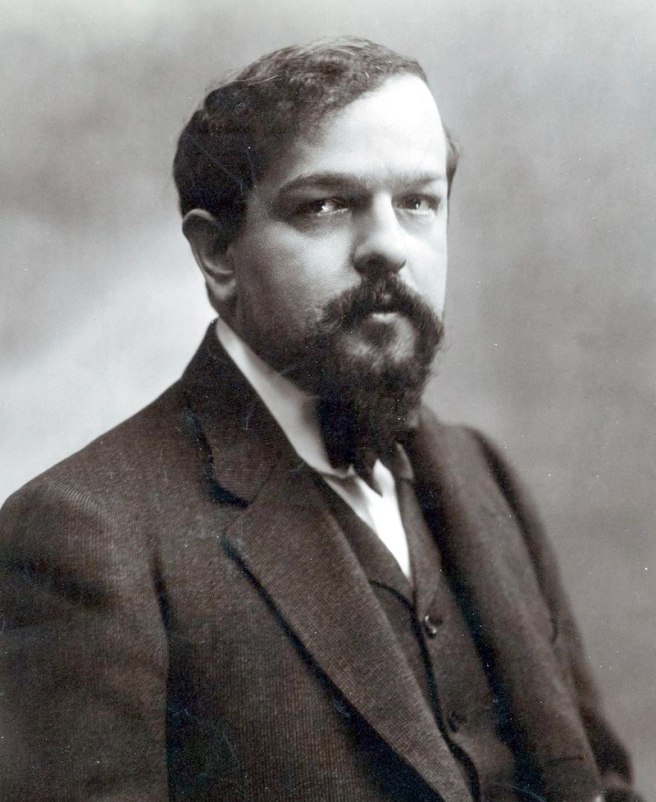
(August 2019) Episode 227 is CLAUDE DEBUSSY.  I enjoy his music more than I should, since I’m not a fan of impressionist art or French culture. But the color and texture of his compositions grab you, sometimes as if they were beings with their own personality. Certain piano pieces, such as the préludes and études, must be exceedingly difficult to perform. He didn’t kill pianos like Liszt or Rachmaninoff, but certainly wore them out. He was ahead of his time.

Favorite piece: Prelude to the afternoon of a faun

Favorite chamber piece: Sonata for cello and piano

Favorite longer orchestral piece: La mer

Favorite piano piece: 12 Ètudes

Compared to expectations: same

Claude_Debussy_atelier_Nadar

226. John Cage

(August 2019) Episode 226 is JOHN CAGE. You’ll never see his compositions on standard repertoires or hear them at the dentist office. But after this episode I am convinced he is the most important composer of the 20th century, and arguably of all time, for forcing us to question whether there is a difference between music and sound, between directed sound and undirected sound. Why should we value the vibrations of a violin strong over those made by water sloshing through a conch shell? The emphasis of chance in certain work (perhaps his most controversial aspect) ensures that certain pieces can never be played the same twice. Technically, this episode is not complete, as one of his pieces is currently being played on an organ in Germany and not scheduled to end until the year 2640.

Favorite piece: Seventy Four

Favorite period: “numbers” period (last 5 years of his life)

Favorite prepared piano piece: Three Dances

Favorite string piece: Quartets I-VIII

Favorite piece with woodwinds: Eight

Favorite percussive piece: First Construction (in metal)

Favorite use of household items: Water Walk

Compared to expectations: same

CAGE, John - portrait in 1991, Los Angeles

215. Franz Schubert

(May 2019) Episode 215 of my “opus project” is FRANZ SCHUBERT. Arguably the most productive composer ever — more than 1,000 works even though he died at age 31 (this was a loooooong episode). The majority of these are secular songs (lieder), the genre for which he is probably the most famous, although they are not my cup of tea. Bridging the Classical and Romantic eras, he composed in pretty much every genre; I enjoyed his chamber music the most. But despite his genius and continued inclusion in contemporary repertoires, it is curious that few of his works endure in the public consciousness, with the obvious exception of Ave Maria and maybe the fish song.

Favorite piece: Symphony No. 9 (Great C major)

Favorite string quartet: No. 13, Rosamunde

Favorite quintet: Quintet in A major

Favorite large chamber piece: Wind Nonet “Franz Schuberts Begräbniß-Feyer”

Echoes of Beethoven’s 7th, 2nd movement: Eight Variations on an original theme in A♭ major for piano duet

Compared to expectations: same

schubert