324. Erik Satie

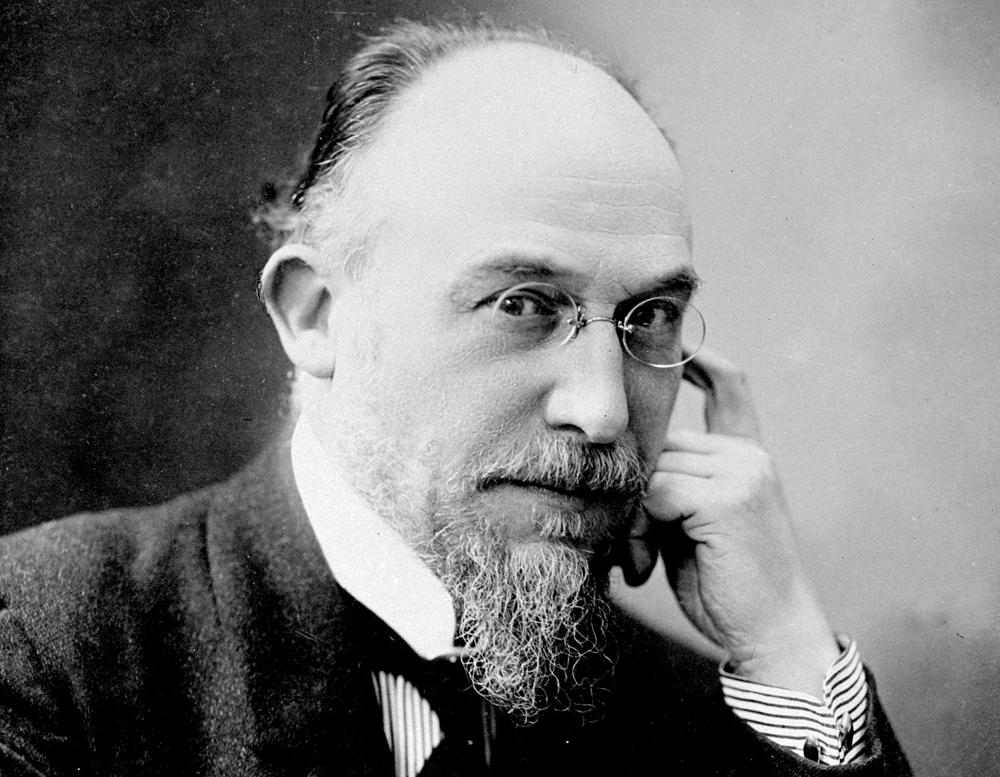
(March 2021) Episode 324 is ERIK SATIE. For his era, he stands out for the simplicity and subdued aesthetic of his works, primarily in piano, his most common medium. His compositions are intimate affairs, both for their brevity and straightforwardness. It’s not hard to see why he’s considered a precursor to minimalism and ambient music.

Favorite piece(s): Gymnopédies

Favorite orchestral work: Parade

Favorite choral work: Socrate

Compared to expectations: same
321. Unsuk Chin

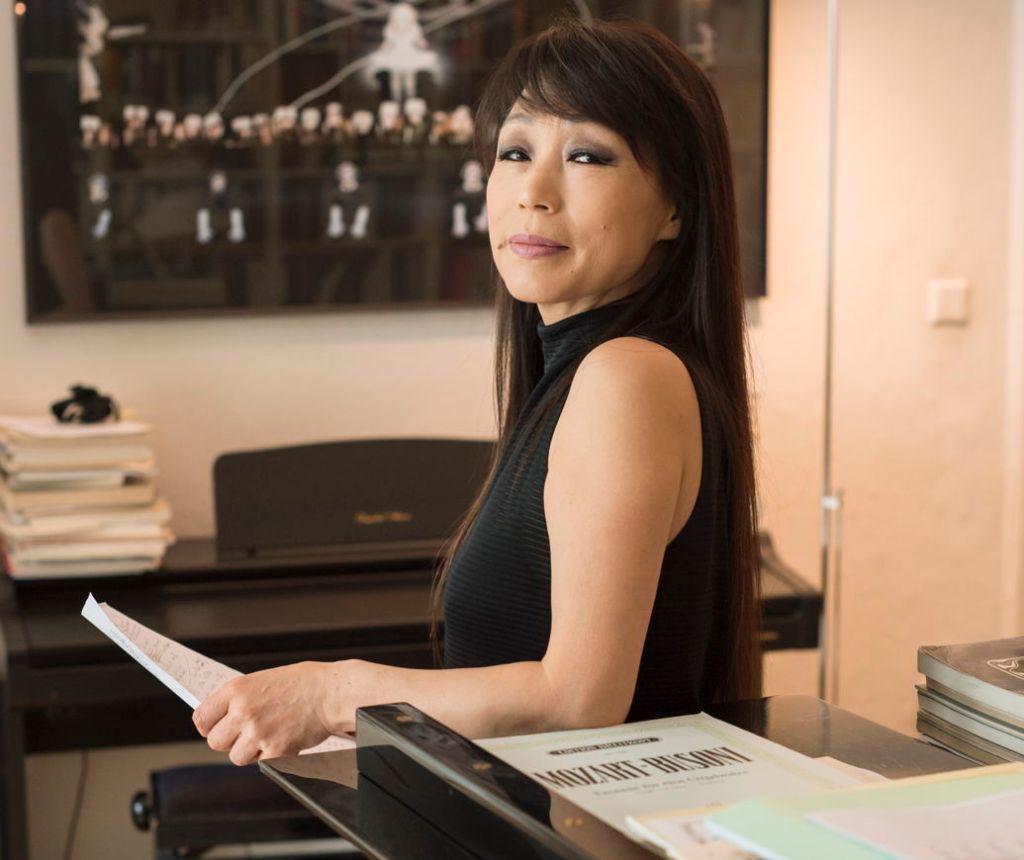
(March 2021) Episode 321 is UNSUK CHIN. A South Korean-born contemporary classical composer with a diverse array of influences (she studied under Ligeti), styles and forms, both conventional and experimental. Many of her works feature frenetic bursts of notes, and make full use of available sounds from instruments (sliding along strings, tapping the body).

Favorite piece: Cello Concerto

Favorite piano piece: Etude No. 5

Favorite choral work: Cantatrix Sopranica

Favorite experimental piece: Double Bind?

Compared to expectations: ↑

317. Györgi Ligeti

(February 2021) Episode 317 is GYÖRGY LIGETI. You will recognize him from the monolith music in 2001: A Space Odyssey, excerpted from his innovative choral works composed in a technique he called micropolyphony, which characterized his late 1960s focus.  But his breadth extended to electronic, chamber, orchestral and piano, making him one of the most influential and one of my favorite avant-garde composers of the second half of the 20th century.

Favorite piece: Chamber Concerto for 13 instrumentalists

Favorite choral work: Requiem

Favorite orchestral piece: Ramifications

Favorite chamber piece: String Quarter #2

Favorite keyboard piece: Hungarian Rock (Chaconne)

Compared to expectations: ↑

309. Jean Sibelius

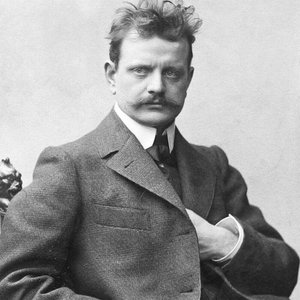
(January 2021) Episode 295 of the “opus project” is JEAN SIBELIUS. A national hero of Finland in part because his music promoted Finnish nationalism.  He is best known for his symphonies, which I like.  Yet overall, his compositions remained committed to a romantic aesthetic as most of his contemporaries had moved on to modernist and experimental approaches, so that makes him less interesting to me.

Favorite piece: Symphony #5

Favorite smaller orchestral piece: Finlandia

Compared to expectations: ↓

297. Jon Gibson

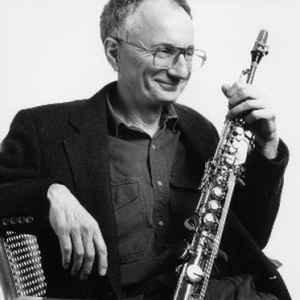
(November 2020) Episode 297 of the “opus project” is JON GIBSON, begun after his passing last month.  A woodwind player and founding member of the Philip Glass Ensemble, he was at the center of the minimalist movement, and I mean literally: Gibson played the premieres of Riley’s “In C,” Reich’s “Drumming” and “Reed Phase,” and Glass’s “Music in 12 Parts.”  But he also composed fine minimalist/avant-garde pieces of his own, which is what is covered in this episode.

Favorite album: Two Solo Pieces

Favorite “song:” Relative Calm: I. “Rise”

Compared to expectations: same
295. Modest Mussorgsky

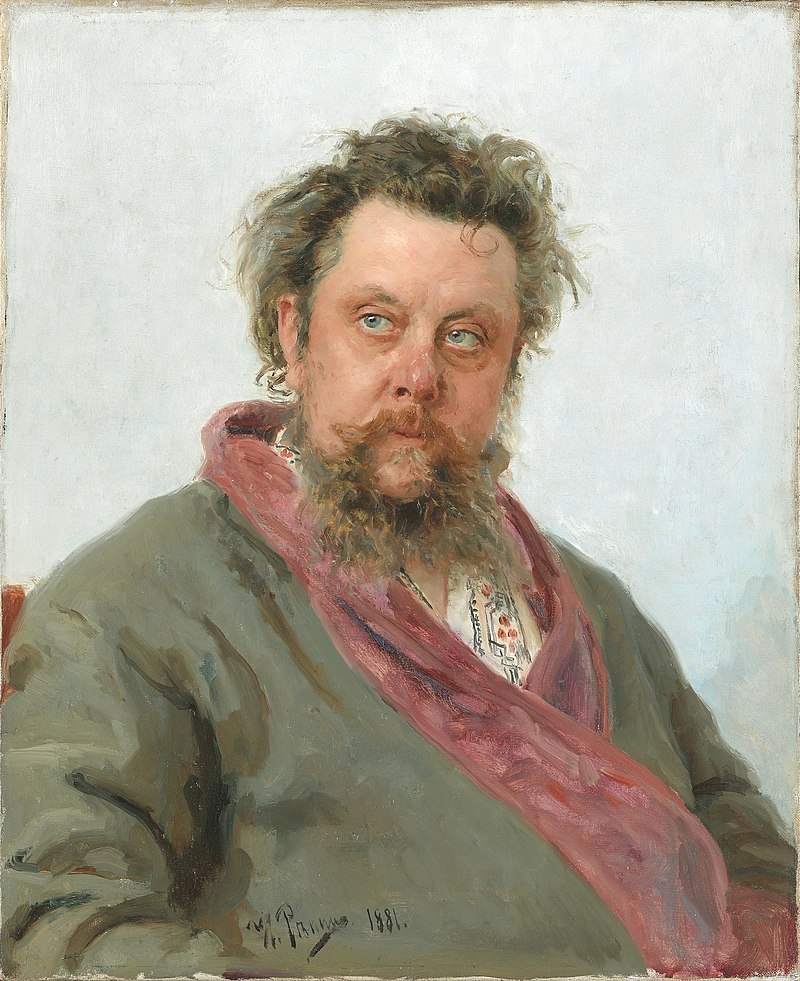
(October 2020) Episode 295 is MODEST MUSSORGSKY.  Composer of the well-known Pictures at an Exhibition, Night on Bald Mountain and Boris Gudonov (but that’s about all you need to know).  One of a group of Russian romantics who incorporated Russian national aesthetics (although not subversively aimed at national liberation, as contemporaries from other nations did), Mussorgsky did not leave a large oeuvre as he held a day job, was an alcoholic and died young.

Favorite piece: Night on Bald Mountain

Compared to expectations: same

An absolute unit.

290. Alban Berg

(October 2020) Episode 290 is ALBAN BERG. He is one of the important composers of one of my favorite periods (early 20th Century modernism/avant-garde), although his body of work is not large. His compositions tend to have a more Romantic aesthetic than others of the time, such as his mentor Schoenberg. 

Favorite piece: Violin Concerto

Favorite piano piece: Piano Sonata

Compared to expectations: same

286. Frédéric Chopin

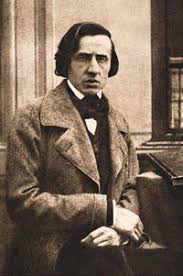
(October 2020) Episode 286 is FRÉDÉRIC CHOPIN. Mr. Piano’s technical wizardry was balanced by delicate textures and melodic harmonies, inventing ways a piano could telling a musical story.  The intimacy of his works contrasts with the over-wrought flourishes that can burden Romantic-era music.  His dedication to composing almost exclusively on piano (avoiding operas, cantatas, lieder, etc.) is commendable and refreshing, and made for an enjoyable episode.

Favorite piece: Piano Sonata #2 (including the famous “Funeral March”)

Favorite small piano piece: Polonaise in A♭ major (“Heroic”)

Favorite orchestral piece: Concerto for Piano and Orchestra No. 2

Compared to expectations: same

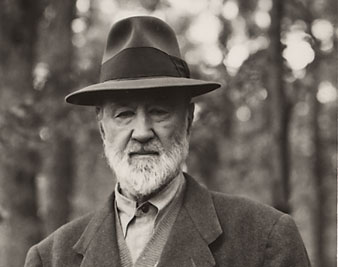
284. Charles Ives

(September 2020) Episode 284 is CHARLES IVES. Working as an insurance executive by day freed him to compose whatever he wanted by night, creating stunning modernist works which did not receive performance and recognition until late in his life.  The early stuff is fairly conventional and there’s a lot of the vernacular (songs, marches, etc.), but his bold, experimental works make him one of my favorite American composers. 

Favorite piece: Symphony #4

Best short piece: The Unanswered Question

Probably would be my favorite if it had been finished: Universe Symphony

Favorite chamber piece: String Quartet #2

Favorite piano piece: Piano Sonata #2

Compared to expectations: same

278. Franz Liszt

(August 2020) Episode 278 is FRANZ LISZT. Known as both the Greatest Pianist and Greatest Showman of his time. His technical wizardry and force on the piano secure his influential place in musical history, but I wonder whether his reputation as an entertainer serves to inflate his reputation as a composer. Or maybe that’s just my bias against Romantic-era music showing through.  He was very prolific — it’s amazing he had any time left for the ladies — composing in all forms and with countless arrangements of his own and others’ works. 

Favorite piece: Piano Sonata In B Minor

Favorite orchestral piece: Faust Symphony (it’s big!)

Favorite suite: Hungarian Rhapsodies (esp. #2, I prefer the orchestrated versions)

Favorite little piano piece: Ballade #1

Favorite choral work: Hungarian Coronation Mass

Compared to expectations: ↓