272. Hildegard von Bingen

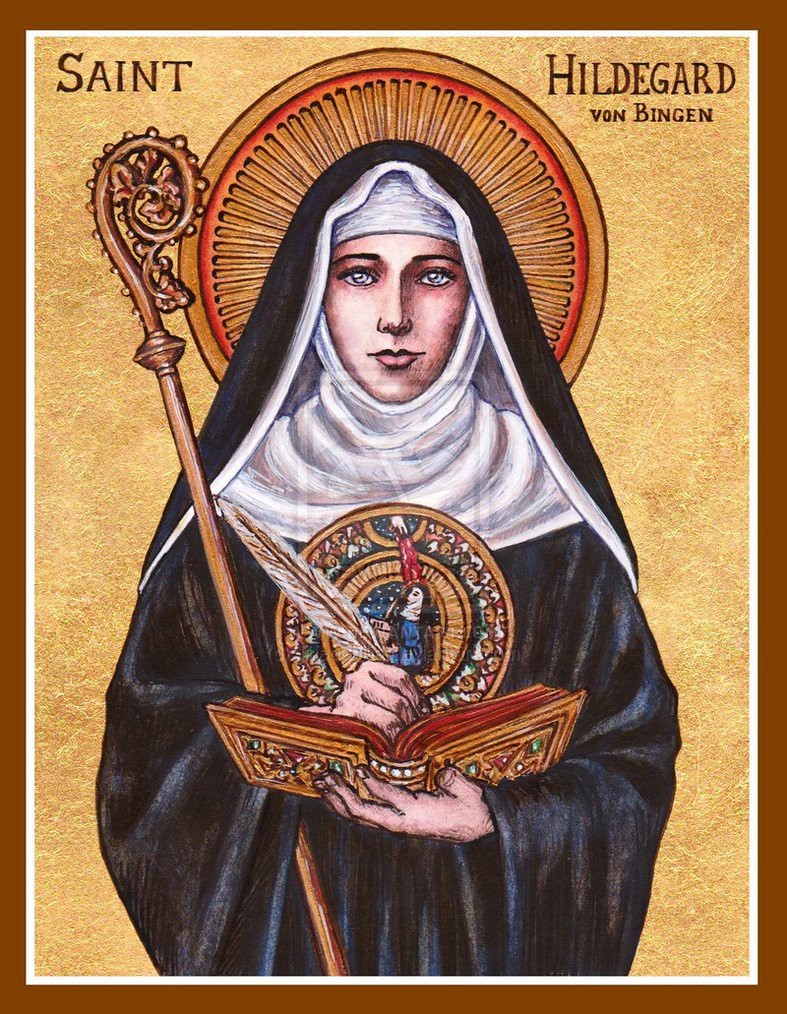
(July 2020) Episode 272 of the “opus project” is HILDEGARD VON BINGEN. By the name you might think this is a German doom metal band.  Not so! Hildegard lived in the 12th Century in what is now western Germany and was a visionary, mystic, poet, composer, naturalist and abbess — making her the oldest artist in the Project. Musically, she left us perhaps the greatest cache of medieval monophonic compositions. With their contemplative and mystical qualities, it is not a surprise her works have attracted attention from the New Age movement. For listening, I recommend finding recordings by genuine early music groups in order to avoid the New Age-y reimaginings.

Favorite piece: Ordo Virtutum

Compared to expectations: same

6e182c_94120aaa61234d6db009abcc86c7073f_mv2

270. Caroline Shaw

(June 2020) Episode 270 is CAROLINE SHAW. Realizing most of my classical episodes are dead men, I sought out a contemporary woman composer, and found a fantastic one in Caroline Shaw, the youngest winner of the Pulitzer Prize for Music.  While the instrumentation in mostly conventional, the sounds and structures are not. She makes full use of the range of sounds one can get from a stringed instrument, as well as voices.  Give her a try.

Favorite piece (chamber): Plan & Elevation

Favorite vocal piece: Partita for 8 Voices

Favorite orchestral piece: Watermark

Favorite solo piece: in manus tuas

Compared to expectations: ↑

caroline_shaw-750x500

269. Sergei Prokofiev

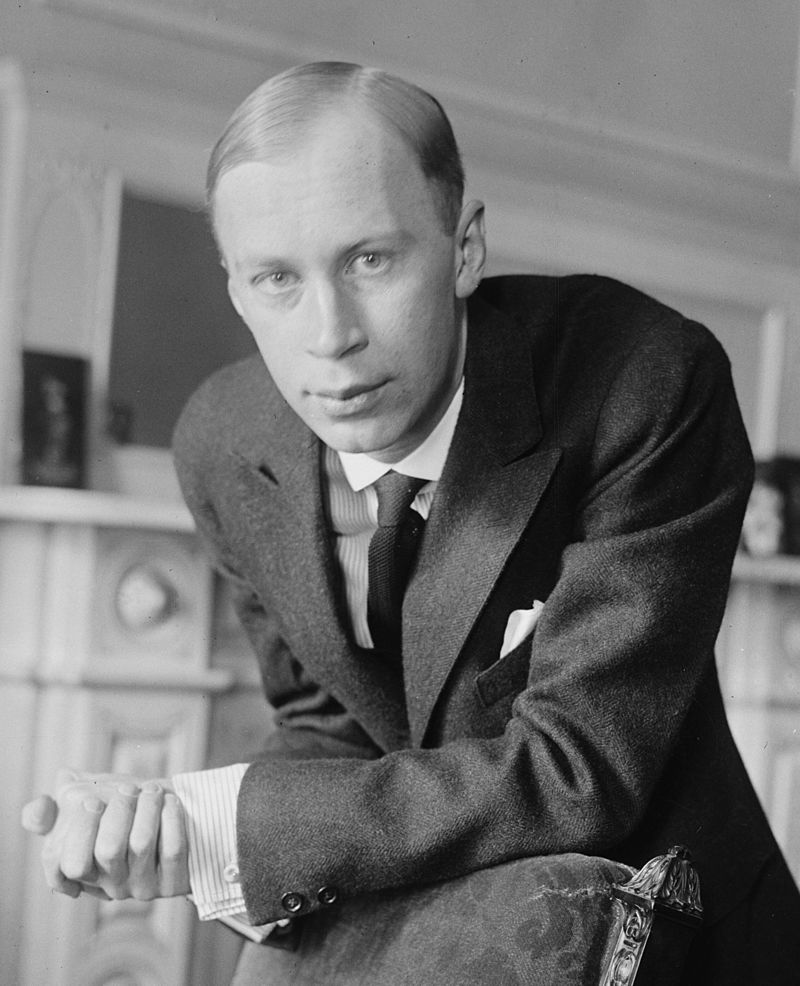
(June 2020) Episode 269 is SERGEI PROKOFIEV. Boy do I love 20th Century Russian composers.  He was one of the big trio of Soviet composers (with Shostakovich and Khachaturian) whose output was shaped (or crimped) by political constraints. Yet he composed masterpieces in a broad range of forms: symphonies, operas, ballets, concertos, sonatas, songs.  I’m particularly fond of his early (Stravinsky-ish) modernist compositions.  Most know him as the ‘Peter and the Wolf’ guy.

Favorite piece: Symphony #5

Favorite chamber piece: Cello concerto in E minor

Favorite ballet: Romeo and Juliet

Favorite opera: The Fiery Angel

Favorite solo piece: Piano sonata #6

Compared to expectations: same

Sergei_Prokofiev_circa_1918_over_Chair_Bain

263. Georg Philipp Telemann

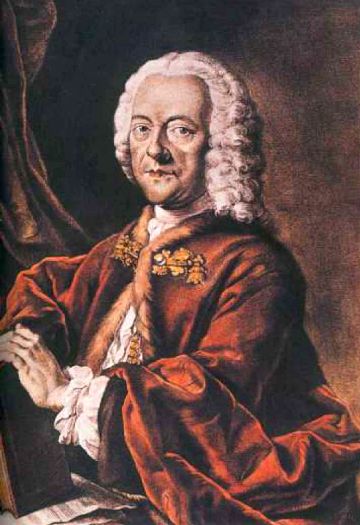
(May 2020) Episode 263 is GEORG PHILIPP TELEMANN. I do love me some baroque, but this was like an overdose. Perhaps the most prolific composer ever, Telemann wrote some 3,000 pieces, half of which survive, and I was able to find and listen to about half those — still about 800 pieces. Thanks to self-isolation, I did in 7 weeks what would have taken 7+ months. But his quantity isn’t matched by quality; while it isn’t fair to compare anyone to Bach, Telemann’s music can’t match his friend’s magic and melodicism. It’s all very nice though.

Favorite piece: Concerto for 2 Violins in C major

Favorite chamber piece: Overture-Suite in C major “Wassermusik”

Favorite cantata: Wie liegt die Stadt so wüste

Favorite big choral piece: Magnificat in G Major

Compared to expectations: same

Telemann

258. Clara Schumann

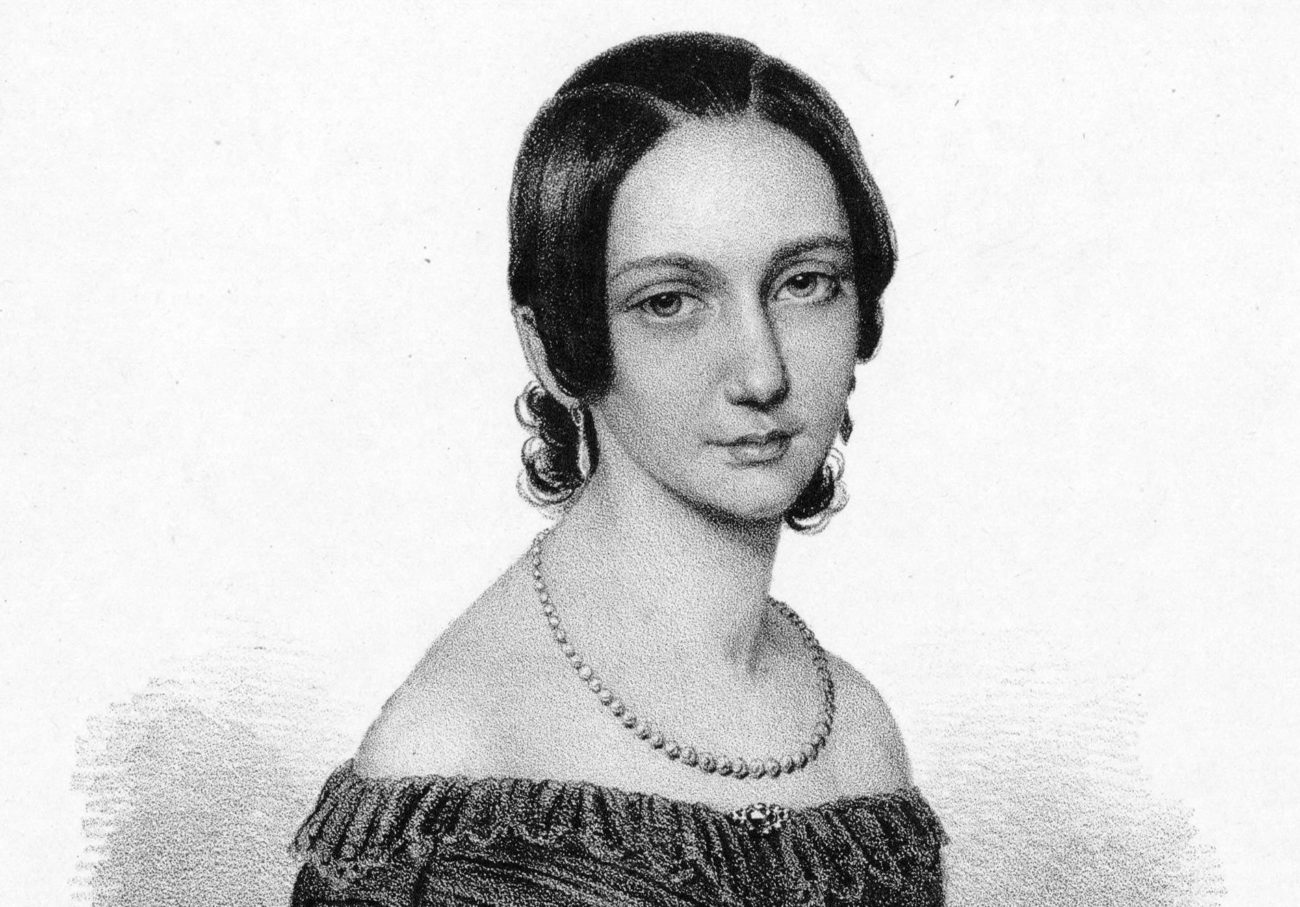
(March 2020) Episode 258 of the “opus project” is CLARA SCHUMANN.  I realize I haven’t covered a woman classical composer yet, so it makes sense to do Clara right after her husband Robert.  A child prodigy and piano genius, her greatest fame was from concert performances, but she did some fine composing in her youth.

Favorite piece: Piano Trio in G Minor

Compared to expectations: same

ClaraSchumannGebWieck-e1568378209369

257. Robert Schumann

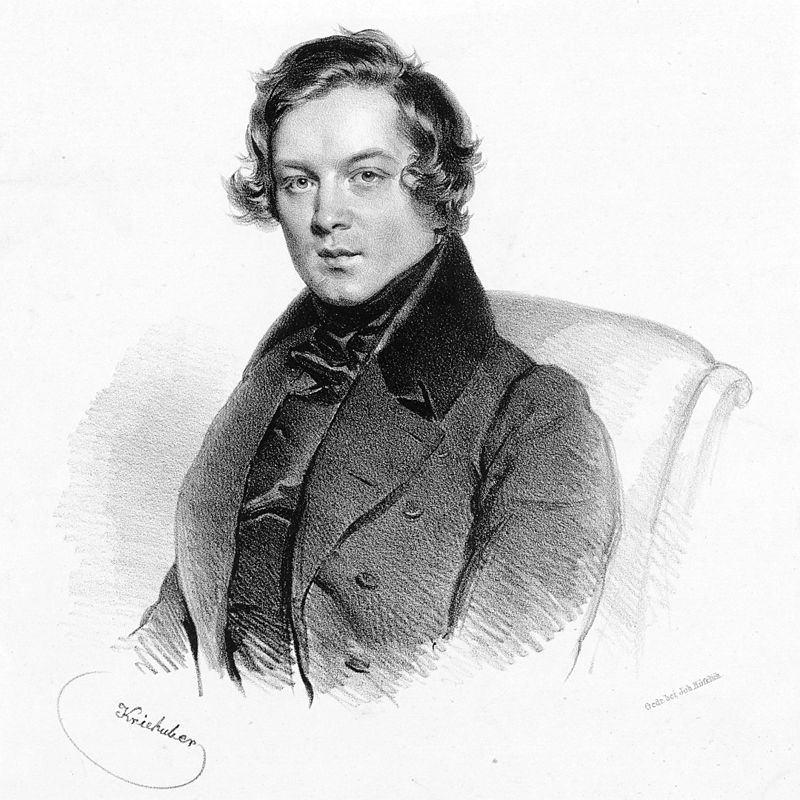
(March 2020) Episode 257 is ROBERT SCHUMANN.  Another solid and dependable Romantic-era composer, although apologies if I confuse his works with those of Schubert and Mendelssohn.  Actually, I might put him a notch below them because of his aversion to big-form pieces (symphonies and concertos) that I prefer.  Lots of pretty piano pieces to enjoy, and melodic songs in German if that’s your thing.

Favorite piece: Symphony #4

Favorite choral piece: Requiem

Compared with expectations: same

Robert_Schumann_1839

254. Karlheinz Stockhausen

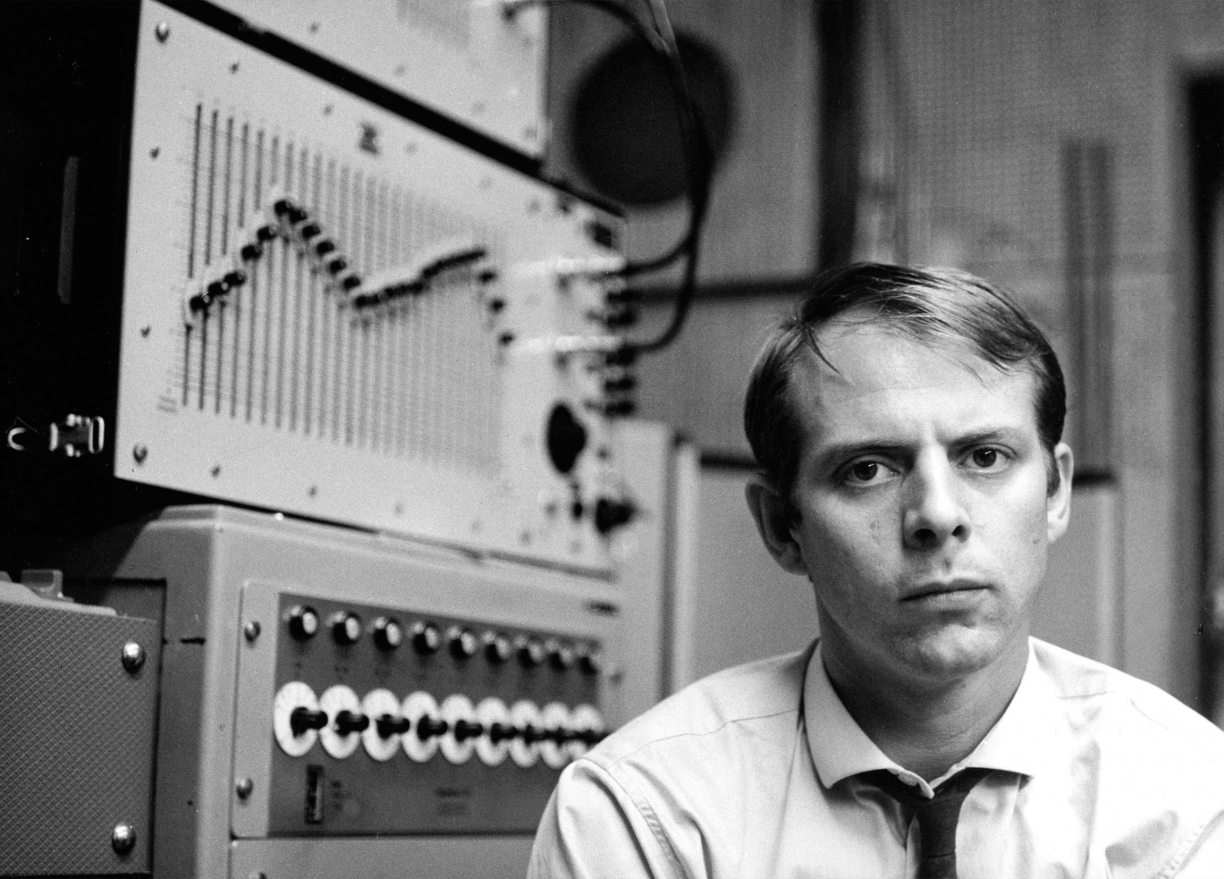
(February 2020) Episode 254 is KARLHEINZ STOCKHAUSEN.  You won’t hear his music at dinner parties, but he’s one of the most important composers and musical theorists of the late 20th century. There is a lot to absorb here: integration of electronic composition, theatricality, mystical themes, and that’s not even counting his theoretical writings.  I was particularly impressed by the ambition of his cycles: “Licht (Light),” cosmic operas on the days of the week, and “Klang (Sound),” expressing a color for each hour of the day.  If I ever have time, I might like to devote myself to a deep study of 20th century musical theory.

Favorite piece: Mittwochs Gruss(“overture” from Wednesday from Light)

Favorite opera: Freitag aus Licht (Friday from Light)

Favorite chamber piece: Adieu

Favorite choral piece: Unsichtbare Chöre

Compared to expectations: same

StockhausenKH-Foto-WDR1


248. Pyotr Ilyich Tchaikovsky

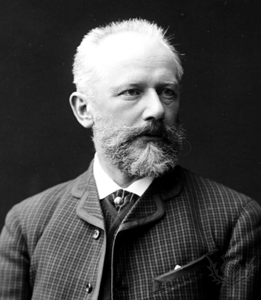
(January 2020) Episode 248 of the “opus project” is PYOTR ILYICH TCHAIKOVSKY.  Mr. Saccharine Strings.  Tchaikovsky is the Queen (band) of classical composers: very talented, wildly popular, played often, but merely gives a sugar (plum) rush that turns out to be empty calories.

Favorite piece: 1812 Overture

Favorite symphony: #5

Favorite balletic theme: Swan Lake

Compared to expectations: ↓

Tchaikovsky-St-Petersburg-Russia-1887

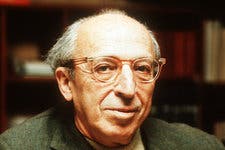
241. Aaron Copland

(December 2019) Episode 241  is AARON COPLAND.  I admit my first exposure was through Emerson, Lake & palmer.  He is deservedly dubbed the “Dean of American Composers” for incorporating American themes and landscapes in his compositions.  I like those, but I prefer his more abstract, modernist works.

Favorite work: Symphony #3

Favorite short piece: Fanfare for the Common Man

Favorite chamber piece: Quartet for Strings

Favorite ballet: Appalachian Spring

Compared to expectations: same

aaron copland

240. Gustav Mahler

(November 2019) Episode 240 is GUSTAV MAHLER.  He composed only songs and symphonies but, wow, what symphonies. Each one is a full course meal with several helpings — like a final culmination of the recipe refined by Beethoven (including the vocal elements), or an opera of his idol Wagner condensed into 75 minutes (without the theatrics).

Favorite piece: Symphony #5

Compared to expectations: same

Mahler