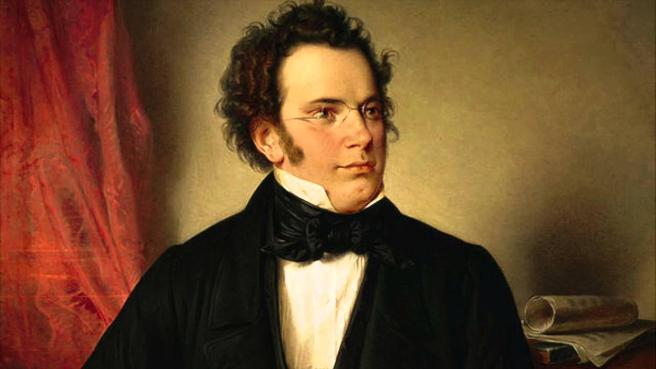
215. Franz Schubert

(May 2019) Episode 215 of my “opus project” is FRANZ SCHUBERT. Arguably the most productive composer ever — more than 1,000 works even though he died at age 31 (this was a loooooong episode). The majority of these are secular songs (lieder), the genre for which he is probably the most famous, although they are not my cup of tea. Bridging the Classical and Romantic eras, he composed in pretty much every genre; I enjoyed his chamber music the most. But despite his genius and continued inclusion in contemporary repertoires, it is curious that few of his works endure in the public consciousness, with the obvious exception of Ave Maria and maybe the fish song.

Favorite piece: Symphony No. 9 (Great C major)

Favorite string quartet: No. 13, Rosamunde

Favorite quintet: Quintet in A major

Favorite large chamber piece: Wind Nonet “Franz Schuberts Begräbniß-Feyer”

Echoes of Beethoven’s 7th, 2nd movement: Eight Variations on an original theme in A♭ major for piano duet

Compared to expectations: same
schubert

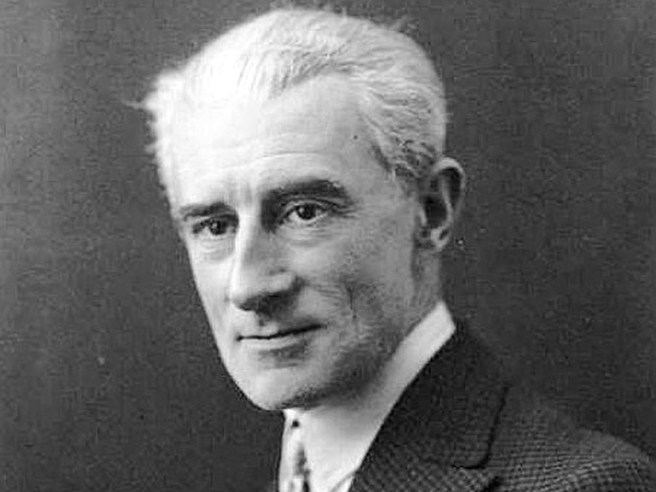
207. Maurice Ravel

(March 2019) I have completed episode 207 of my “opus project.” This edition: MAURICE RAVEL. A rare case where a composer’s best known work (Boléro) is unlike anything else he did. I love the way it builds over the repetition. I’m not a fan of impressionism (art or music) but there were some works here that, ahem, impressed me more than expected, especially the complex orchestral and stage compositions. I imagine pianophiles like to challenge themselves with his piano works. He didn’t write as much as contemporaries.

Favorite piece: Boléro

Favorite stage piece: Daphnis et Chloé (ballet)

Favorite orchestral piece: Piano Concerto in G

Favorite small piece (non-vocal): Tzigane

Compared to expectations: same
maurice-ravel_web

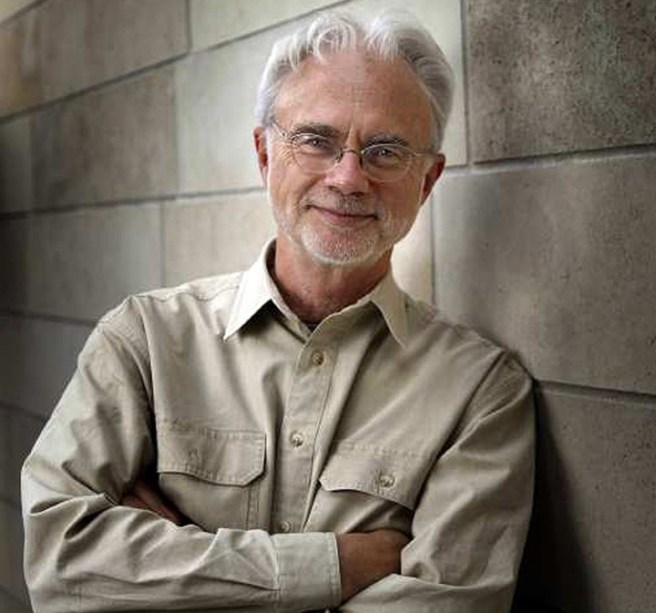
204. John Adams

(February 2019) I have completed episode 204 of my “opus project.” This edition: JOHN ADAMS. One of the top living American composers, his music has its roots in minimalism but it’s rather hard to categorize, incorporating and mixing several styles of early and late 20th century music. He composed several operas, but since opera’s not my thing, I prefer the orchestral and piano pieces, especially when it takes an ethereal turn.

Favorite piece: Harmonielehre

Favorite opera: Nixon in China

Favorite ambient piece: Light over Water

Compared to expectations: same

john_adams

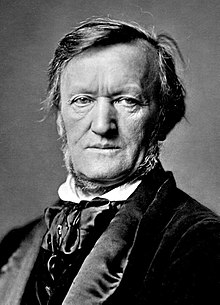
201. Richard Wagner

(February 2019) I have completed episode 201 of my “opus project.” This edition: RICHARD WAGNER. Opera is my least favorite form in classical music, and since opera is Wagner’s specialty, this episode was a grind. But a greatest hits collection of his top overtures and preludes is worth having. The Tannhäuser Overture is one of the most beautiful pieces of music ever.

Favorite piece: Tannhäuser Overture

Favorite opera (for the music): Parisfal

Compared to expectations: ↓

220px-RichardWagner.jpg

199. Terry Riley

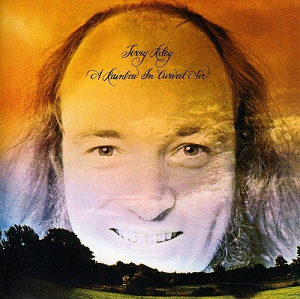
(January 2019) I have completed episode 199 of my “opus project.” This edition: TERRY RILEY. A (still living) composer of experimental music and pioneer of minimalism, Riley gained fame with works featuring loops and delay effects. Many of his pieces feature Indian musical and jazz elements. A multi-instrumentalist, the majority of his compositions are on keyboard, some of which sound new-agey to the ear. I prefer the early experimental stuff.

Favorite album: A Rainbow in Curved Air

Favorite piece (song): A Rainbow in Curved Air

Favorite live performance: Persian Surgery Dervishes

Favorite soundtrack: Les Yeux Fermés

Favorite later piece: The Cusp of Magic (with Kronos Quartet)

Compared to expectations: ↑

RainbowCurvedAir.png

196. Aram Khachaturian

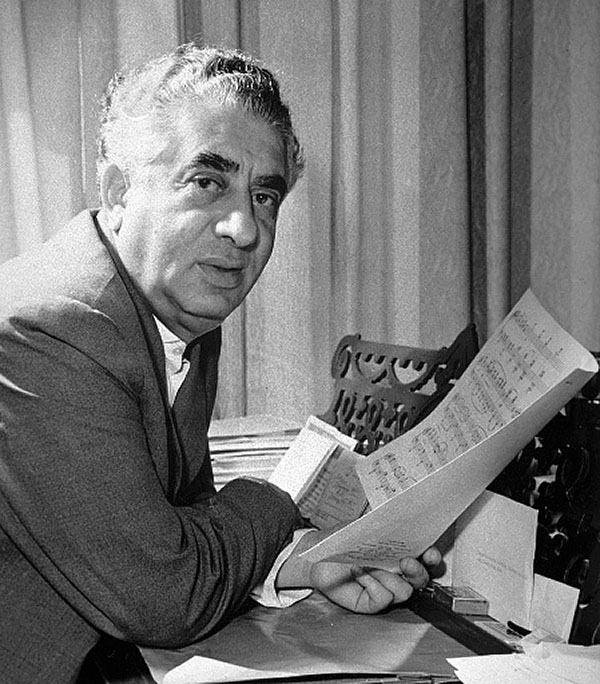
(January 2019) I have completed episode 196 of my “opus project.” This edition: ARAM KHACHATURIAN. An Armenian considered one of the top three composers of the Soviet era, Khachaturian’s music is often bold and loud, although he could compose some sweet melodies. Understandably for his era, he also penned some Red Army marches and Odes to Lenin. He may be most famous for two ballets, Spartacus and Gayane, and you will recognize the famous “Sabre Dance” from the latter.

Favorite piece: Symphony #2

Favorite big piece: Spartacus ballet

Favorite little piece in a big piece: Adagio from Gayane

Favorite choral piece: Ode of Joy

Favorite concerto: Cello Concerto in E minor

Favorite piano piece: Piano Sonata

Favorite song: Song about Erevan

Compared to expectations: ↓

Aram%20Khachaturian.jpg

194. Felix Mendelssohn

(December 2018) I have completed episode 194 of my “opus project.” This edition: FELIX MENDELSSOHN. Solid and dependable, you really can’t go wrong with some Mendelssohn. Lacking the personal life drama of other composers, his music won’t adorn a biopic, but he wrote some very famous stuff (ever heard the wedding march?). This side of Mozart and Schubert, he was quite prolific for someone who died in his 30s.

Favorite piece: Symphony #5 in D major/minor

Favorite piano concerto: #2 in D minor

Favorite violin concerto: #2 in E minor

Favorite chamber piece: String Quartet #6 in F minor

Favorite song (without words): “Spring Song”

Compared to expectations: same

felix-mendelssohn-40373-1-402.jpg

192. Tomita

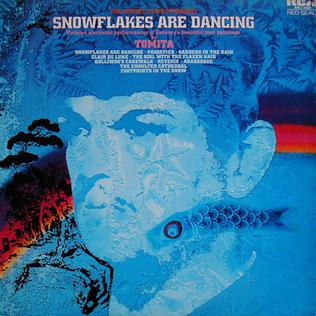
(November 2018) I have completed episode 192 of my “opus project.” This edition: TOMITA. A pioneer of electronic music in the 1960s and 1970s, Isao Tomita is most famous for his electronic interpretations of famous classical works, although he did plenty of soundtracks too. I enjoy those early period synthesized sounds, although, listening from a distance, it can come off as cheesy. Also some nostalgia here, as Tomita was the playlist to many afternoons of board game playing.

Favorite album: Snowflakes are Dancing

Favorite song: Prelude to the Afternoon of a Faun (Debussy)

Compared to expectations: ↓

Snowflakes_Are_Dancing.jpg


191. Sergei Rachmaninoff

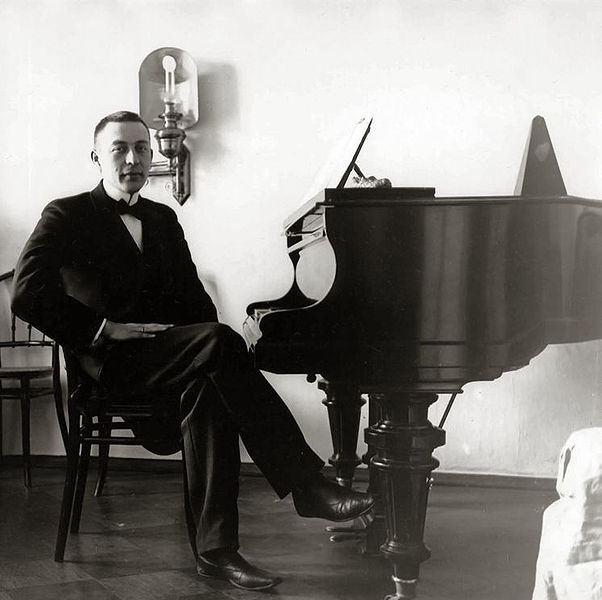
(November 2018) I have completed episode 191 of my “opus project.” This edition: SERGEI RACHMANINOFF. Wow, could this guy put a hurt on a piano. I wonder whether they have to euthanize the piano after Piano Concerto #3 is played. But don’t discount his orchestral and chamber work too. I think of him as the last Romantic composer, capping the long, famous line of Russians in this tradition.

Favorite piece: Piano Concerto #3

Favorite symphony: #2

Favorite solo piano : Piano Sonata #2

Favorite choral piece: Liturgy of St. John Chrysostom

Favorite song: Vocalise (wordless, with a melody that might have been taken by Paul Simon in Bridge Over Troubled Water)

Compared to expectations: same

sergei_rachmaninoff,_1910s

186. Edvard Grieg

(October 2018) I have completed episode 186 of my “opus project.” This edition: EDVARD GRIEG. In August we were in Bergen, Norway, hometown of Edvard Grieg, so I was delighted to start this episode there. Other than Peer Gynt, I was not so familiar with his work, but I was pleasantly surprised despite my relatively low interest in Romantic era classical music. Piano is his strong suit, and the array of arranged and original Norwegian songs shows how he helped inspire Norwegian patriotism (that led to independence in 1905).

Favorite piece: Peer Gynt

Favorite chamber piece: String Quartet in G minor

Compared to expectations: same

edvard_grieg_-_800x600.jpg