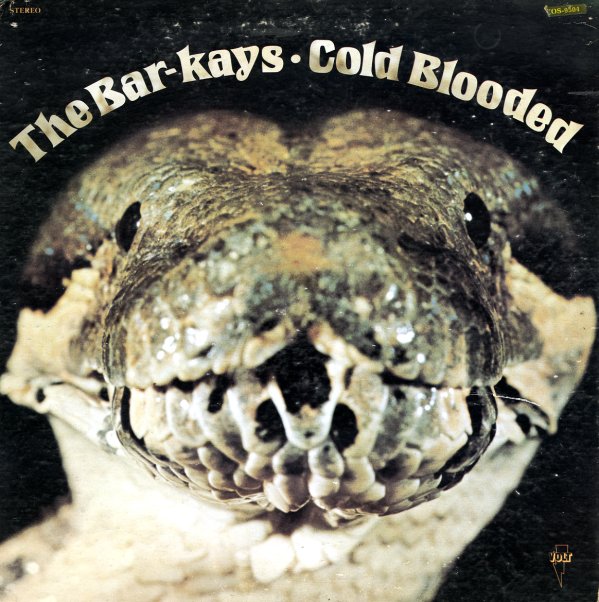
(March 2026) Episode 712 is the BAR-KAYS. I knew them as the secondary house band of Stax Records (behind Booker T. & the MGs), for “Soul Finger,” and because four of their members died in the plane crash with Otis Redding. But what I didn’t know is that they reformed as a quality funk band in the mid-1970s — a pleasant discovery. While you could accuse them of being derivative of the Ohio Players and Earth Wind & Fire, that sound makes it all the more enjoyable to me. They recorded through the 80s and sparsely thereafter, even into the present decade.
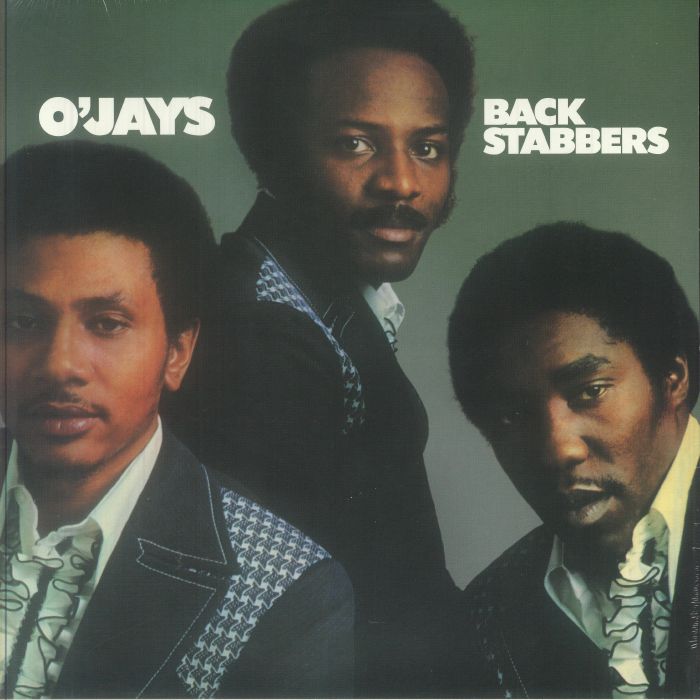
(February 2026) Episode 707 is THE O’JAYS. With roots in 1950s R&B, success in the 1970s and a long recording career, the O’Jays charted a path similar to the Spinners and the Manhattans from recent episodes. And they all represent Philadelphia Soul with a smooth, often string-accompanied sound. They are most widely known for “Love Train” and “For the Love of Money,” a good piece of funk (and tv commercial jingles). Their 1970s albums (their best) feature socially conscious themes, followed by a disco phase and then on through 80s and 90s soul trends.
(January 2026) Episode 703 is BOOKER T. & THE M.G.’s. I started this following the death of guitarist Steve Cropper. Most of us recognize them for their 1962 hit “Green Onions” (an accidental one; it grew out of a jam). Their major contribution to music was in the development of Memphis soul as the house band for Stax Records (backing Wilson Pickett, Otis Redding, Bill Withers, Sam & Dave among others). They did put out a bunch of albums in the 1960s and 1970s, with almost exclusively instrumental tracks, some of which charted. I admit that much of this comes off as incidental music, especially the 60s records, and instrumental covers of popular songs. But that shouldn’t diminish our estimation of them.
Recommendation: The first album Green Onions features cool R&B and Melting Pot is their funkiest. Also check out McLemore Avenue, their distinctive take on Abbey Road.
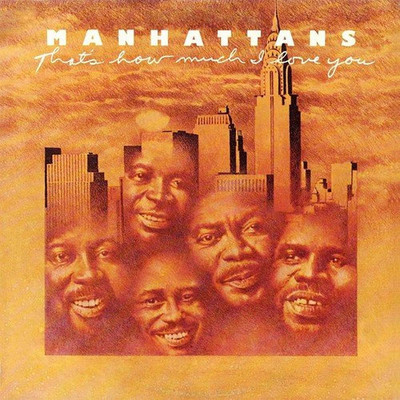
(October 2025) Episode 689 is THE MANHATTANS. An R&B outfit distinguished more by its longevity than by its creative contribution, IMO. Their career followed a common path from 60s doo wop-style R&B to 70s smooth soul, some funk and a bit of disco, then 80s synth soul, through to the current decade. To my ear, The Manhattans offer mostly basic and formulaic soul, although I found some enjoyable funky songs in their mid-70s peak. Their biggest hits were “Kiss and Say Goodbye” (1976) and “Shining Star” (1980).
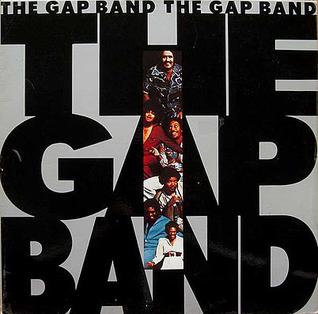
(March 2025) Episode 638 is THE GAP BAND. They reached their commercial peak in the early 80s with fun synth-bass funk hits like “You Dropped a Bomb on Me.” Their first two mid-70s albums on small labels were typical funk of that period (my preference). But their major label start in 1979 gave a run of albums that closely approximates the Earth, Wind & Fire formula of complex funk and ballads (that’s a good thing). By the mid-80s and 90s they adopted the synth-driven idiom of the time, which is not my kind of soul/funk. Even at their peak, though, they could be repetitious – “Burn Rubber (Why You Wanna Hurt Me),” “Early in the Morning,” “You Dropped a Bomb on Me” and “Party Train” are basically the same song.
Recommendation: A greatest hits will suffice (although be prepared for repetition), although I direct deeper divers to the first two small label albums
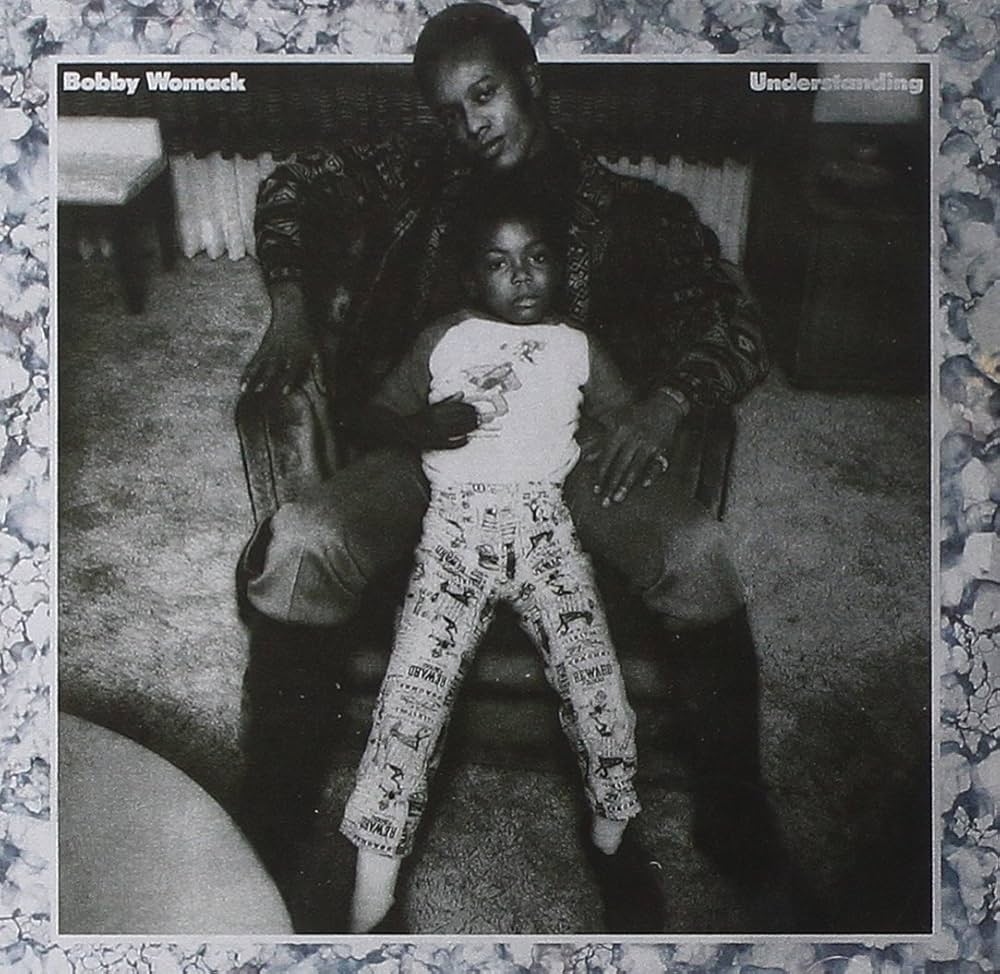
Episode 630 is BOBBY WOMACK, a significant contributor to soul music as a songwriter, guitarist and solo artist. He got his start in a group called the VALENTINOS (also covered here) with his brothers, and then as guitarist for Sam Cooke and other famous artists before recording on his own in 1969. His early 70s albums are high quality soul and funk material, accentuated by his gritty voice. He had a revival in the 1980s but the tone of the soul music from that decade is not to my tastes.
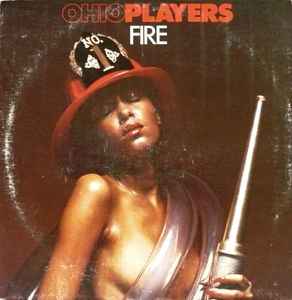
(March 2024) Episode 556 is OHIO PLAYERS. I first encountered them through their erotic album covers, causing me to linger longer in the “O” section of the record store. But it wasn’t until later that I caught up to the music, although I knew “Love Rollercoaster” from its ubiquity. Their roots go back to the 1950s, but they hit their stride and fame with a series of albums in the mid-1970s of peak funk and sexy soul – music that very much complements those album covers. While I find better funk and more stirring soul elsewhere, the Ohio Players’ combo makes this iconic 1970s music. Comparatively, it’s close to what Earth Wind & Fire were doing at the time minus the mysticism and polyrhythms.
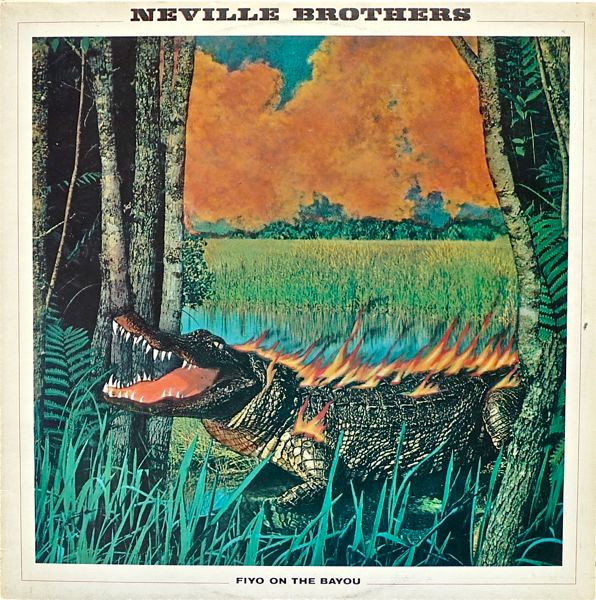
(March 2024) Episode 555 is THE NEVILLE BROTHERS. This logiclly follows my recent episode on The Meters, which featured Art and Cyril Neville. In 1977 they joined Aaron and Charles to form this eponymously named unit. Each brother in this talented family had their own musical careers long before, during and after. But assembled together they created an iconic group with New Orleans-flavored funk, soul and R&B. This episode covers their studio albums, which weren’t many, and a few live performances, but it still feels incomplete given the span of each brother’s work. I’ve always loved Aaron’s fluttering tenor and his classic mid-60s song “Tell It Like It Is.”
(February 2024) Episode 551 is THE METERS. This funked me up. This New Orleans set didn’t have the flash or flame of funkmasters like Brown or Clinton. Instead it was just pure unadorned funk, a foursome of guitar, drums, bass and keyboard that delivered a simple yet delicious groove. Instrumentals only on the first two albums. By the third album they got more sophisticated, adding horns and vocals. The opening song from their first album, “Cissy Strut,” was featured in Jackie Brown and other movies. The band’s leader was Art Neville, who later joined his brothers to form one of New Orleans’ iconic musical groups. This is fun listening.
Recommendation: Try the first two albums of bare-bones instrumental funk, and next the middle four of a fuller sounds, and pick your style. No need to bother with the last two that tend toward smooth soul and disco. They do get an award for honesty-in-admitting-you’re-following-trends by naming the first song off their 1976 album “Disco Is the Thing Today.”
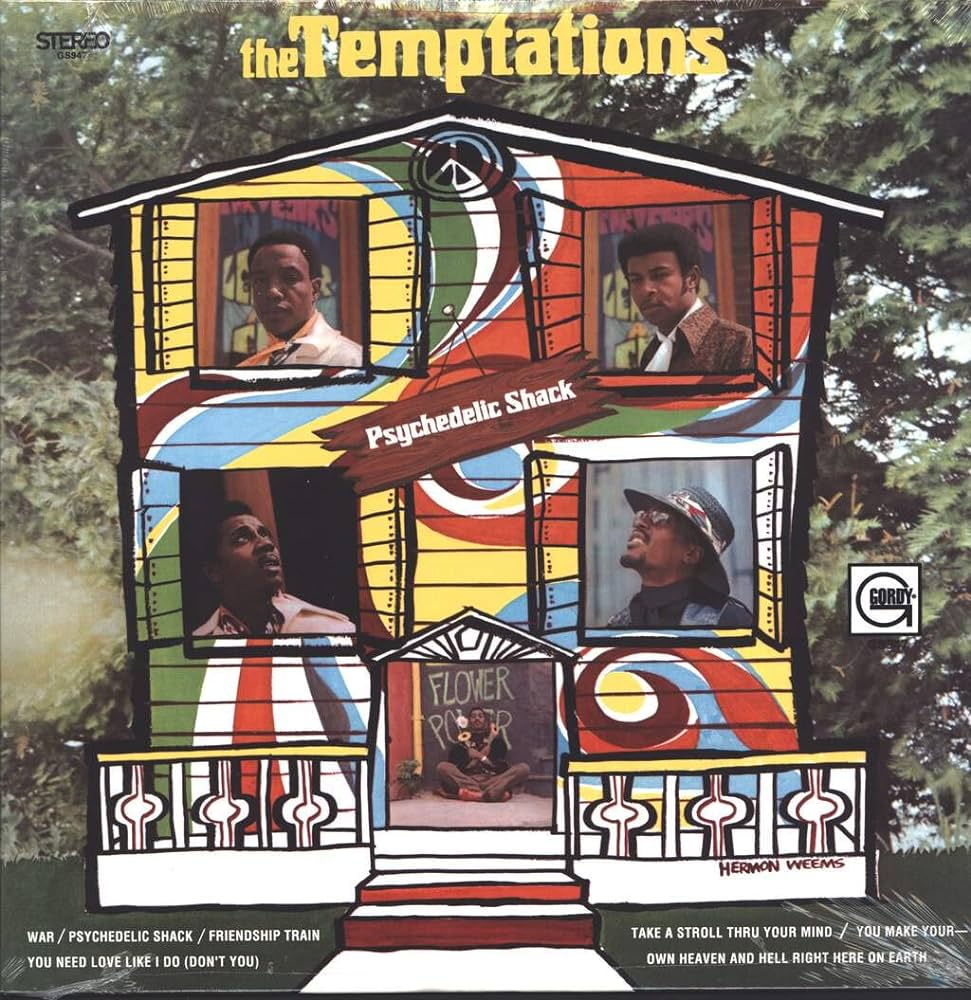
(February 2024) Episode 547 is THE TEMPTATIONS. I had known them as a legendary Motown act through classic mid-60s hits like “My Girl,” “The Way You Do the Things You Do” and “Ain’t Too Proud to Beg,” who endured to the present day on the nostalgia circuit. What I did not know, and was not prepared by have MY MIND BLOWN by, were their “psychedelic soul” albums from 1968-1972 (notably Cloud Nine, Puzzle People and Psychedelic Shack). I knew “I Can’t Get Next To You” and “Papa’s Got a Brand New Bag” but hadn’t connected that this was the same outfit that made “My Girl.” This period is when producer Norman Whitfield took over and guided them to a rougher and funkier sound, as well as more socially conscious themes. Alongside Sly Stone and Funkadelic, this sound made the Temptations a big influence on funk and 70s soul. Love this stuff. I am a sucker for falsetto, so I highlight Eddie Kendricks, one of the best and one of my favorites (along with Curtis Mayfield, Phillip Bailey and Prince). Amidst lineup changes, they kept pumping out albums through the decades following R&B trends, but never recapturing the magic of their peak. The Temptations are around today, still led by founder Otis Williams, the last original member.
Recommendation: Get those “psychedelic soul” albums referenced above, but their earlier “classic 5” era albums are very good too, such as Getting’ Ready and The Temptations with a Lot o’ Soul



 Opus Project