297. Jon Gibson

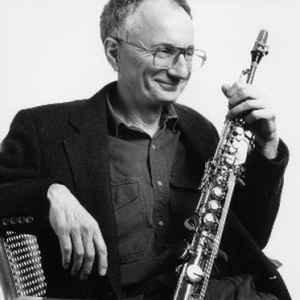
(November 2020) Episode 297 of the “opus project” is JON GIBSON, begun after his passing last month.  A woodwind player and founding member of the Philip Glass Ensemble, he was at the center of the minimalist movement, and I mean literally: Gibson played the premieres of Riley’s “In C,” Reich’s “Drumming” and “Reed Phase,” and Glass’s “Music in 12 Parts.”  But he also composed fine minimalist/avant-garde pieces of his own, which is what is covered in this episode.

Favorite album: Two Solo Pieces

Favorite “song:” Relative Calm: I. “Rise”

Compared to expectations: same

295. Modest Mussorgsky

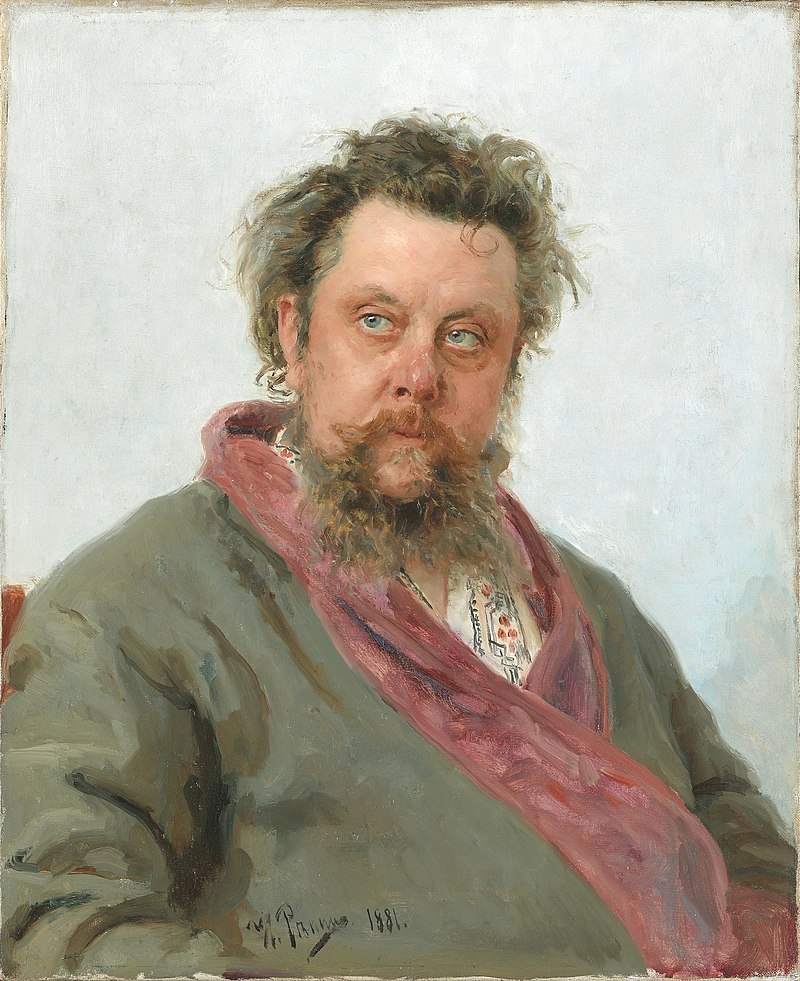
(October 2020) Episode 295 is MODEST MUSSORGSKY.  Composer of the well-known Pictures at an Exhibition, Night on Bald Mountain and Boris Gudonov (but that’s about all you need to know).  One of a group of Russian romantics who incorporated Russian national aesthetics (although not subversively aimed at national liberation, as contemporaries from other nations did), Mussorgsky did not leave a large oeuvre as he held a day job, was an alcoholic and died young.

Favorite piece: Night on Bald Mountain

Compared to expectations: same

An absolute unit.

290. Alban Berg

(October 2020) Episode 290 is ALBAN BERG. He is one of the important composers of one of my favorite periods (early 20th Century modernism/avant-garde), although his body of work is not large. His compositions tend to have a more Romantic aesthetic than others of the time, such as his mentor Schoenberg. 

Favorite piece: Violin Concerto

Favorite piano piece: Piano Sonata

Compared to expectations: same

286. Frédéric Chopin

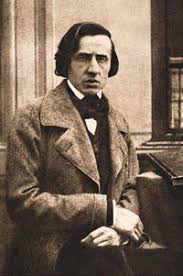
(October 2020) Episode 286 is FRÉDÉRIC CHOPIN. Mr. Piano’s technical wizardry was balanced by delicate textures and melodic harmonies, inventing ways a piano could telling a musical story.  The intimacy of his works contrasts with the over-wrought flourishes that can burden Romantic-era music.  His dedication to composing almost exclusively on piano (avoiding operas, cantatas, lieder, etc.) is commendable and refreshing, and made for an enjoyable episode.

Favorite piece: Piano Sonata #2 (including the famous “Funeral March”)

Favorite small piano piece: Polonaise in A♭ major (“Heroic”)

Favorite orchestral piece: Concerto for Piano and Orchestra No. 2

Compared to expectations: same

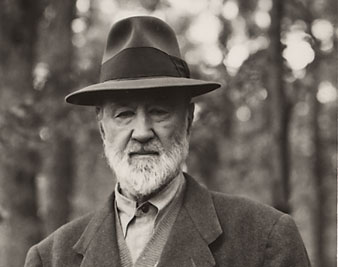
284. Charles Ives

(September 2020) Episode 284 is CHARLES IVES. Working as an insurance executive by day freed him to compose whatever he wanted by night, creating stunning modernist works which did not receive performance and recognition until late in his life.  The early stuff is fairly conventional and there’s a lot of the vernacular (songs, marches, etc.), but his bold, experimental works make him one of my favorite American composers. 

Favorite piece: Symphony #4

Best short piece: The Unanswered Question

Probably would be my favorite if it had been finished: Universe Symphony

Favorite chamber piece: String Quartet #2

Favorite piano piece: Piano Sonata #2

Compared to expectations: same

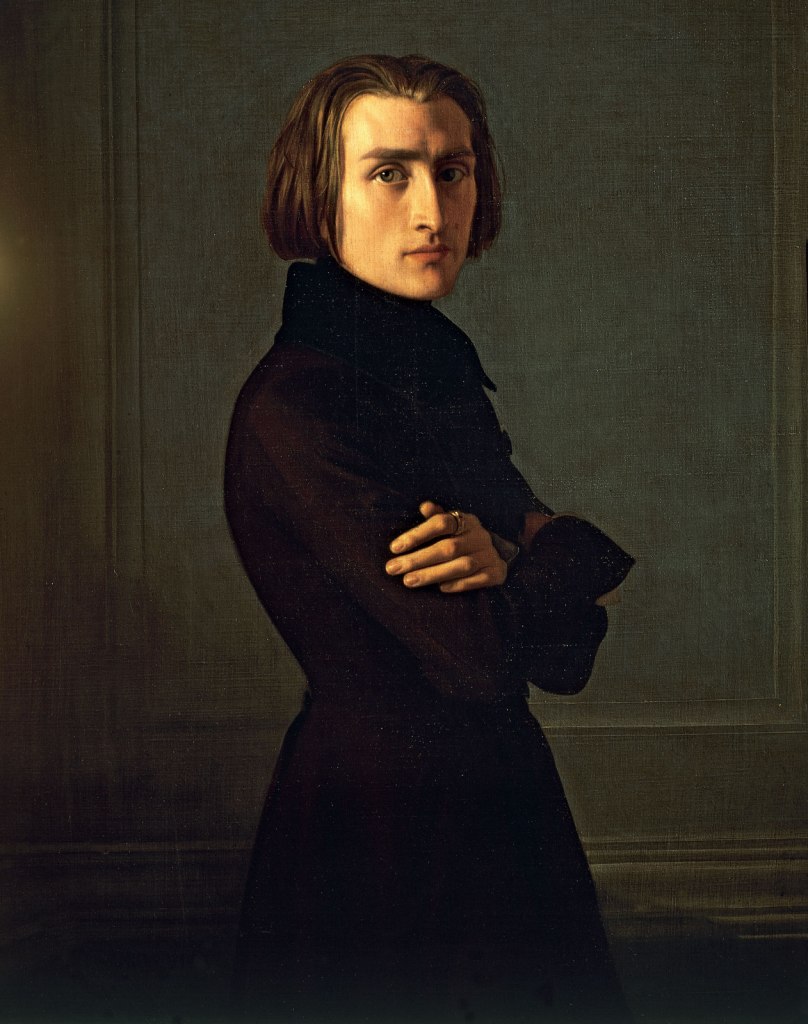
278. Franz Liszt

(August 2020) Episode 278 is FRANZ LISZT. Known as both the Greatest Pianist and Greatest Showman of his time. His technical wizardry and force on the piano secure his influential place in musical history, but I wonder whether his reputation as an entertainer serves to inflate his reputation as a composer. Or maybe that’s just my bias against Romantic-era music showing through.  He was very prolific — it’s amazing he had any time left for the ladies — composing in all forms and with countless arrangements of his own and others’ works. 

Favorite piece: Piano Sonata In B Minor

Favorite orchestral piece: Faust Symphony (it’s big!)

Favorite suite: Hungarian Rhapsodies (esp. #2, I prefer the orchestrated versions)

Favorite little piano piece: Ballade #1

Favorite choral work: Hungarian Coronation Mass

Compared to expectations: ↓

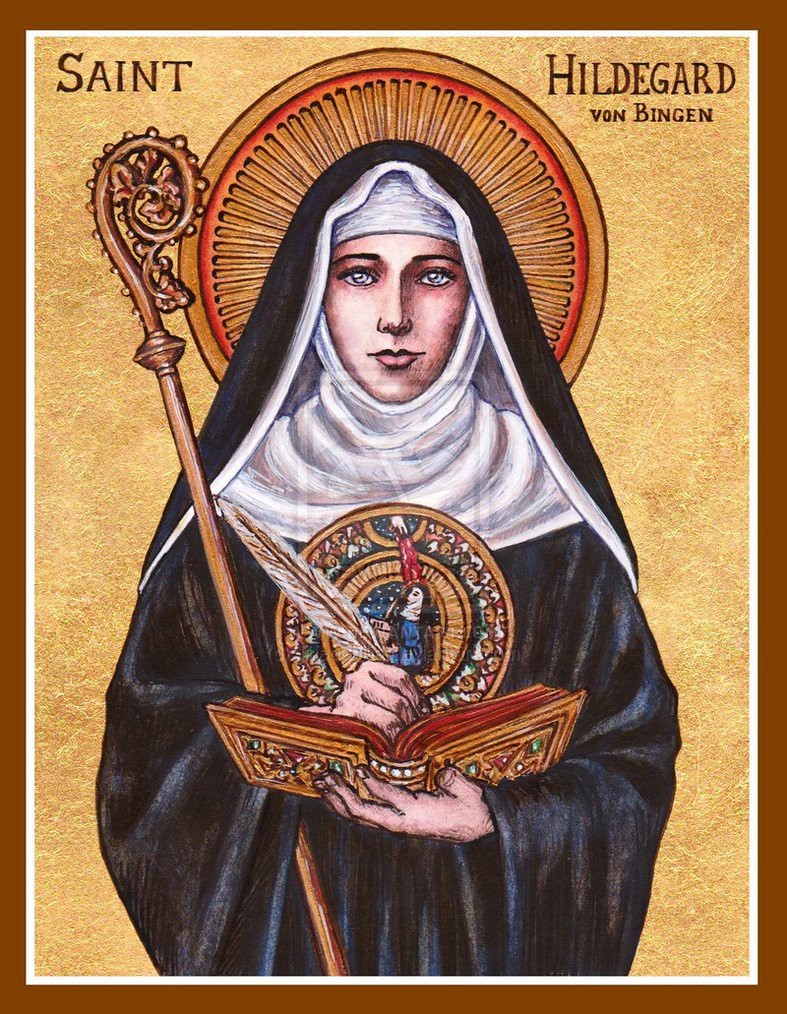
272. Hildegard von Bingen

(July 2020) Episode 272 of the “opus project” is HILDEGARD VON BINGEN. By the name you might think this is a German doom metal band.  Not so! Hildegard lived in the 12th Century in what is now western Germany and was a visionary, mystic, poet, composer, naturalist and abbess — making her the oldest artist in the Project. Musically, she left us perhaps the greatest cache of medieval monophonic compositions. With their contemplative and mystical qualities, it is not a surprise her works have attracted attention from the New Age movement. For listening, I recommend finding recordings by genuine early music groups in order to avoid the New Age-y reimaginings.

Favorite piece: Ordo Virtutum

Compared to expectations: same

6e182c_94120aaa61234d6db009abcc86c7073f_mv2

270. Caroline Shaw

(June 2020) Episode 270 is CAROLINE SHAW. Realizing most of my classical episodes are dead men, I sought out a contemporary woman composer, and found a fantastic one in Caroline Shaw, the youngest winner of the Pulitzer Prize for Music.  While the instrumentation in mostly conventional, the sounds and structures are not. She makes full use of the range of sounds one can get from a stringed instrument, as well as voices.  Give her a try.

Favorite piece (chamber): Plan & Elevation

Favorite vocal piece: Partita for 8 Voices

Favorite orchestral piece: Watermark

Favorite solo piece: in manus tuas

Compared to expectations: ↑

caroline_shaw-750x500

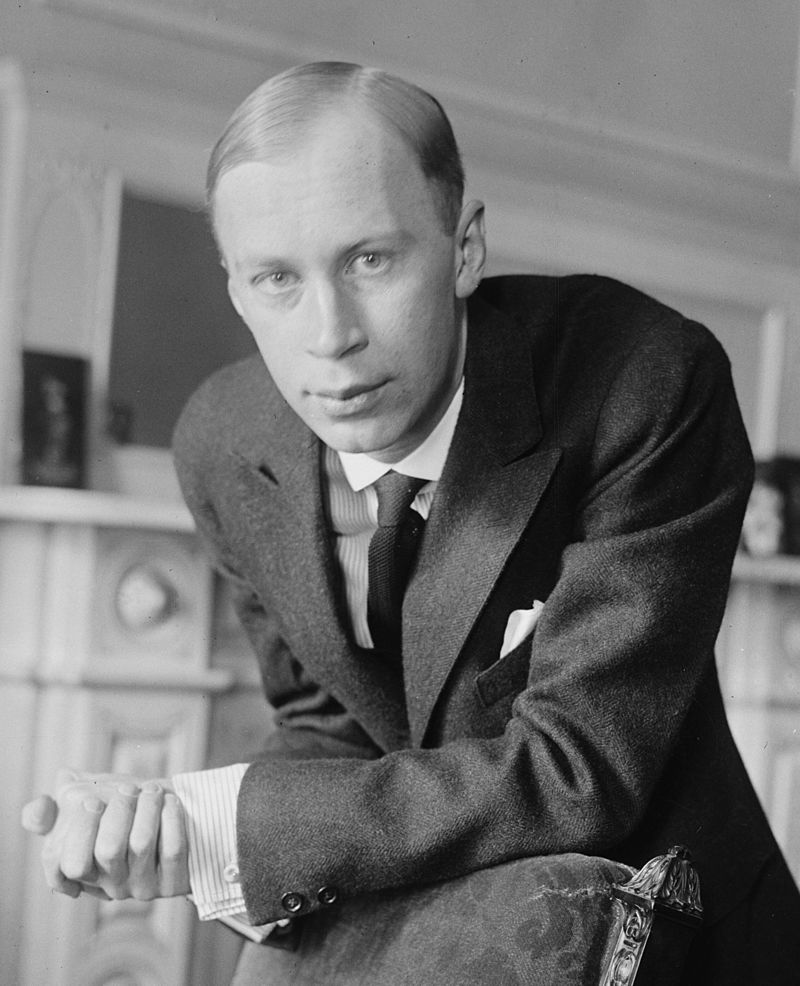
269. Sergei Prokofiev

(June 2020) Episode 269 is SERGEI PROKOFIEV. Boy do I love 20th Century Russian composers.  He was one of the big trio of Soviet composers (with Shostakovich and Khachaturian) whose output was shaped (or crimped) by political constraints. Yet he composed masterpieces in a broad range of forms: symphonies, operas, ballets, concertos, sonatas, songs.  I’m particularly fond of his early (Stravinsky-ish) modernist compositions.  Most know him as the ‘Peter and the Wolf’ guy.

Favorite piece: Symphony #5

Favorite chamber piece: Cello concerto in E minor

Favorite ballet: Romeo and Juliet

Favorite opera: The Fiery Angel

Favorite solo piece: Piano sonata #6

Compared to expectations: same

Sergei_Prokofiev_circa_1918_over_Chair_Bain

263. Georg Philipp Telemann

(May 2020) Episode 263 is GEORG PHILIPP TELEMANN. I do love me some baroque, but this was like an overdose. Perhaps the most prolific composer ever, Telemann wrote some 3,000 pieces, half of which survive, and I was able to find and listen to about half those — still about 800 pieces. Thanks to self-isolation, I did in 7 weeks what would have taken 7+ months. But his quantity isn’t matched by quality; while it isn’t fair to compare anyone to Bach, Telemann’s music can’t match his friend’s magic and melodicism. It’s all very nice though.

Favorite piece: Concerto for 2 Violins in C major

Favorite chamber piece: Overture-Suite in C major “Wassermusik”

Favorite cantata: Wie liegt die Stadt so wüste

Favorite big choral piece: Magnificat in G Major

Compared to expectations: same

Telemann